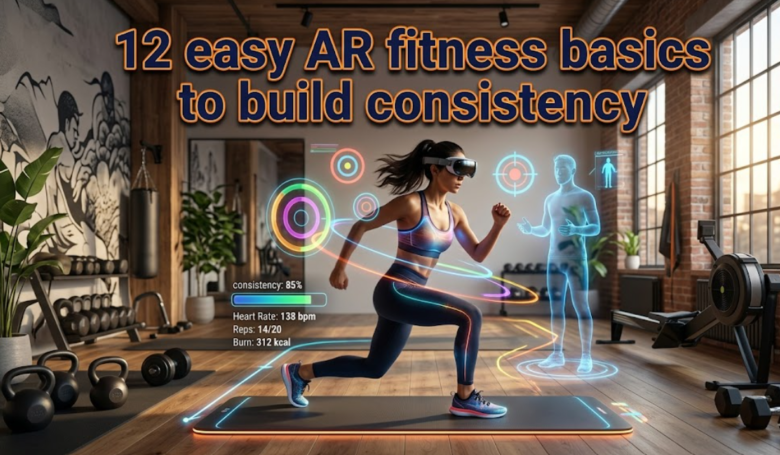
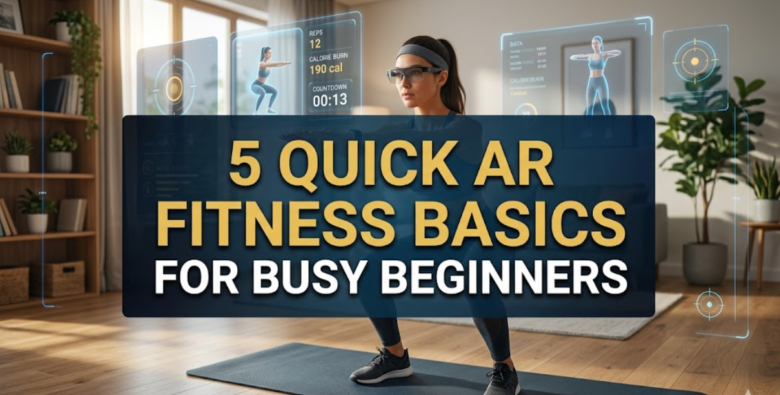
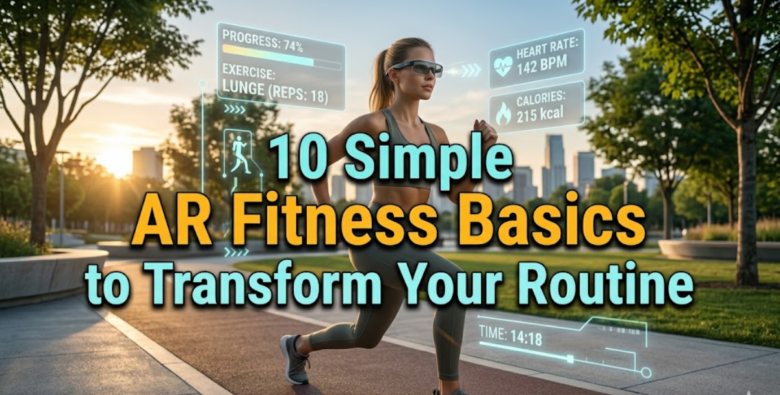
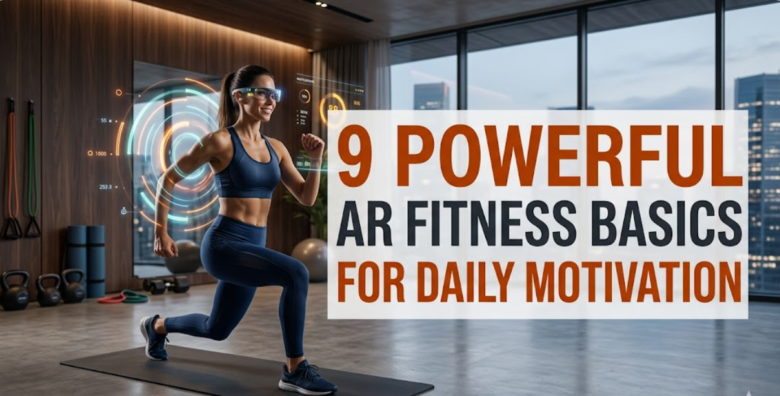
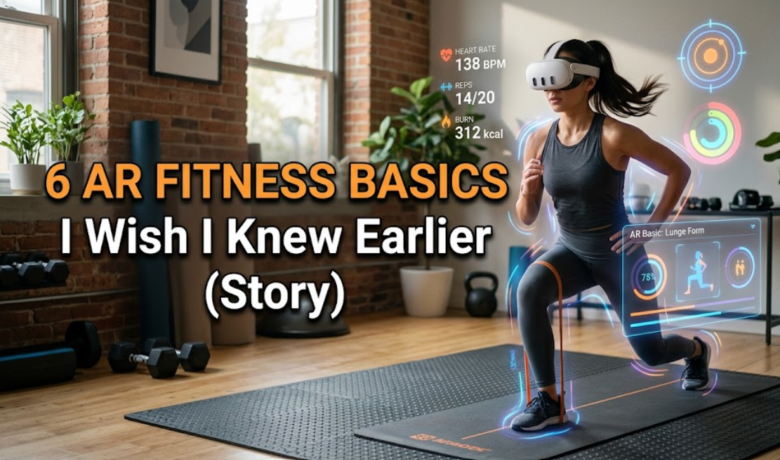
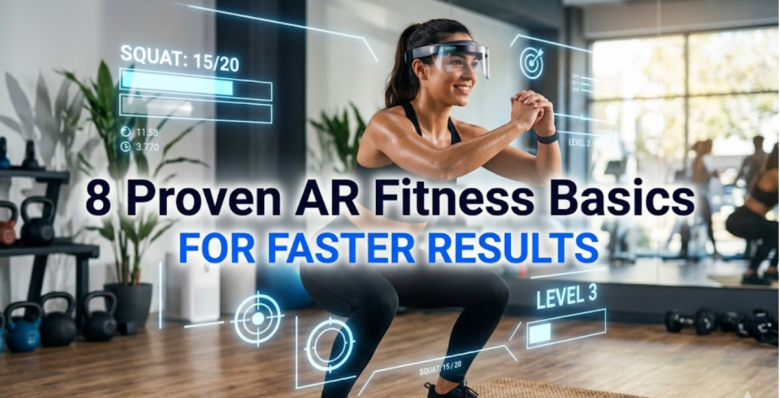
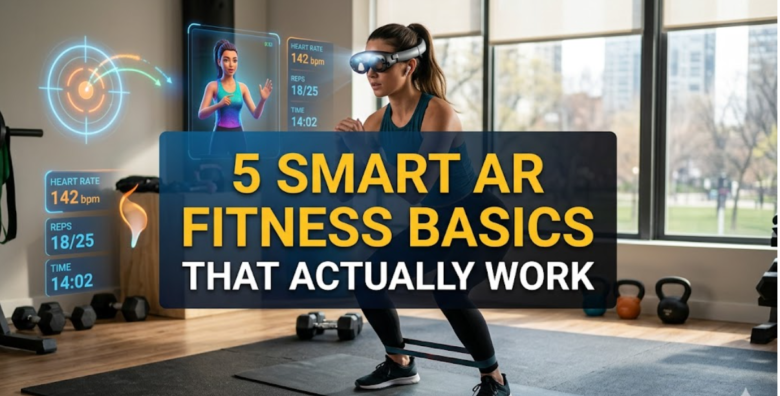
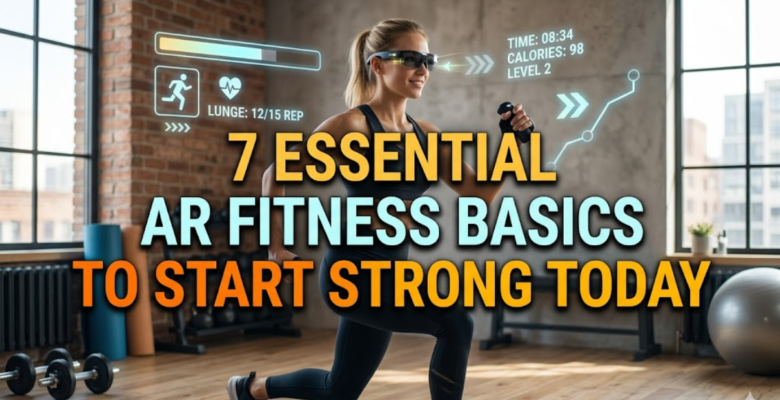
Augmented reality (AR) fitness has moved from a futuristic idea into something people casually use at home, in parks, and even at gyms. In 2026, you don’t need expensive equipment or complicated setups to experience it—just a smartphone or AR-enabled device. But here’s the thing most beginners miss: AR fitness is not just “playing games …
Month: April 2026
Augmented reality (AR) fitness isn’t just a tech trend anymore—it’s becoming a practical way for people with busy schedules to stay active without needing a gym, long routines, or complicated planning. But most people don’t fail at fitness because they lack tools. They fail because they lack consistency. AR fitness apps solve part of that …
Augmented Reality (AR) fitness is quietly changing how people approach exercise at home. Instead of staring at a flat video or following repetitive instructions, AR brings movement into your actual environment. Your living room becomes a training space, your hallway turns into a running lane, and your phone or headset becomes a personal coach. But …
Most people don’t struggle with fitness because they lack motivation. They struggle because they lack time, structure, and clarity on what actually works. That’s exactly where augmented reality (AR) fitness quietly steps in. Unlike traditional workouts that demand planning, memorizing routines, or watching long videos, AR fitness simplifies everything into visual, real-time guidance. It blends …
Augmented Reality (AR) fitness has moved from a futuristic idea to something people can use in their living rooms, parks, and gyms every day. Instead of simply watching workout videos or following static routines, AR fitness layers interactive digital elements over your real environment. That shift changes how people move, how long they stay active, …
Augmented Reality (AR) is no longer just a gaming gimmick or futuristic experiment. It has quietly become one of the most practical ways to stay active, especially for people who struggle with consistency. Unlike traditional fitness apps that rely on static instructions or generic timers, AR fitness systems blend your real environment with interactive digital …
There’s a strange thing that happens when you first get into AR fitness. You assume it’s going to be complicated—something futuristic, maybe even overwhelming. Headsets, sensors, calibration issues, technical setup. At least that’s what I thought before I actually tried it consistently. The reality was different. The tech wasn’t the hard part. The hard part …
Augmented reality fitness is quietly changing how people train at home, in gyms, and even outdoors. Instead of following flat videos or guessing your form in a mirror, AR fitness places digital guidance directly into your real environment. That means your workout space becomes interactive, responsive, and surprisingly intuitive. But here’s something most beginners miss: …
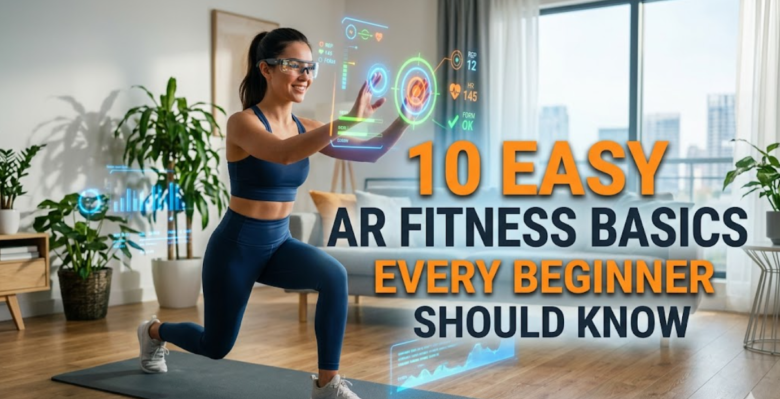
Introduction: why AR fitness basics matter more than flashy features When people first hear about AR (Augmented Reality) fitness, they usually imagine futuristic workouts, glowing visuals, or high-tech gaming environments. But in reality, what actually makes AR fitness effective isn’t the technology itself—it’s the basics behind how you use it. I learned this the hard …
Augmented Reality (AR) fitness is no longer a futuristic concept—it is already reshaping how people train at home, in gyms, and even outdoors. Instead of relying only on static videos or traditional workout apps, AR fitness layers digital coaching, real-time feedback, and interactive visuals directly into your physical space. The result is a more engaging …