Okay, real talk — I used to be the person who bought fitness gear, used it twice, and then watched it collect dust on a shelf. A resistance band here, a foam roller there, a heart rate monitor that confused me more than helped me. You probably know the type. Then I stumbled into AR …
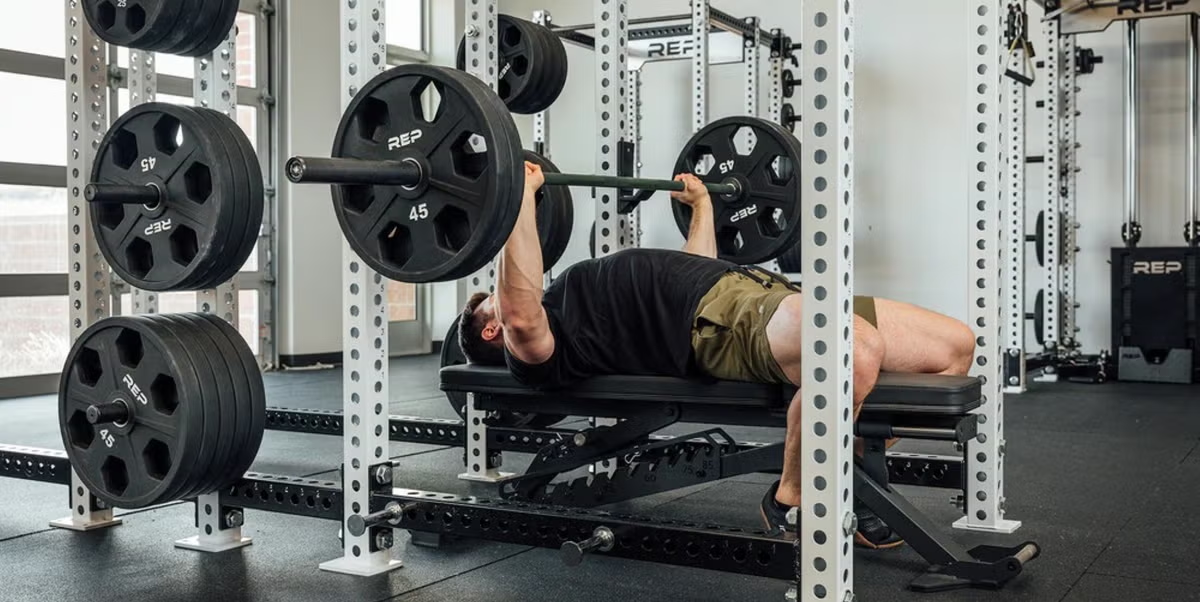
Honestly, I went into this whole augmented reality fitness thing pretty skeptical. I’d seen the ads, watched a few YouTube videos, and thought — okay, this is just fancy marketing for people who are bored of regular workouts. A gimmick dressed up in tech clothing. Then my physiotherapist suggested I try an AR-based movement tracker …
Let me be honest with you — I almost dropped $400 on a pair of AR fitness glasses last year before a friend stopped me and said, “Wait, have you actually tried the cheaper ones first?” I hadn’t. And that conversation saved me from a pretty expensive mistake. I spent the next few months testing …
Last year, I made a $340 mistake. I bought an AR fitness headset based on a YouTube review that turned out to be a sponsored video dressed up as honest feedback. The reviewer never mentioned the motion sickness issues, the clunky app ecosystem, or the fact that the battery dies after 45 minutes of actual …
Last year, I made a $340 mistake. I bought an AR fitness headset based purely on a YouTube unboxing video — the guy made it look incredible, the graphics were sharp, the workout looked intense and fun. I ordered it the same night. When it arrived, the motion tracking was laggy, it fogged up within …
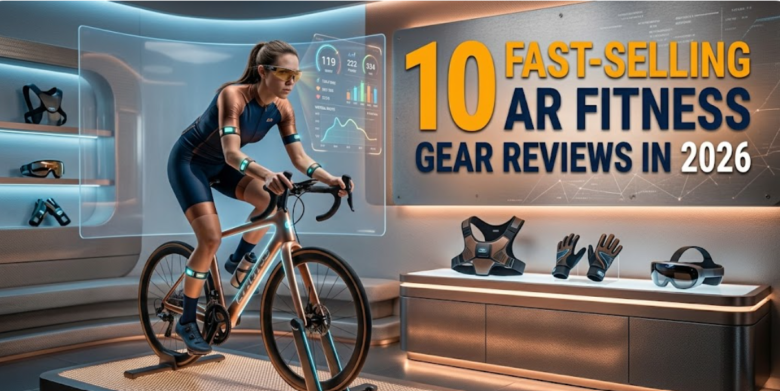
Augmented reality (AR) fitness gear in 2026 is no longer experimental tech for early adopters—it’s turning into a mainstream category that blends wearables, smart optics, motion sensors, and AI coaching into everyday workouts. What makes this wave interesting is not just the hardware itself, but how quickly it’s being adopted by people who want short, …
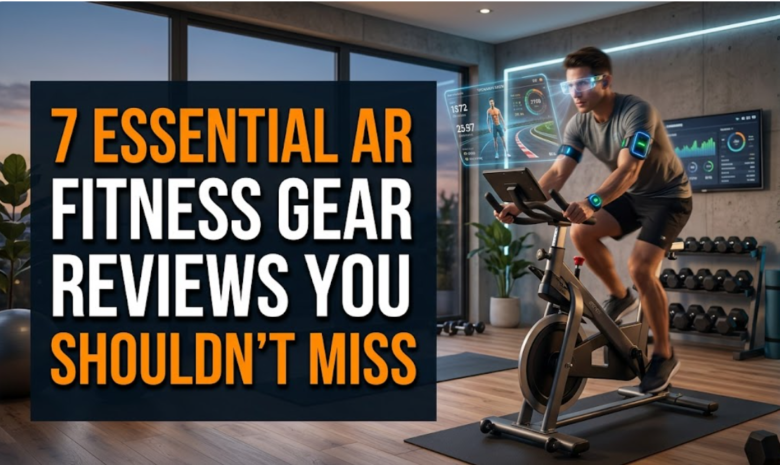
Augmented Reality (AR) is no longer a futuristic idea sitting in tech labs. It is slowly becoming part of everyday fitness routines—especially in home workouts where people want more engagement, better feedback, and less boredom. Instead of staring at a wall or following flat workout videos, AR gear turns your room into an interactive training …
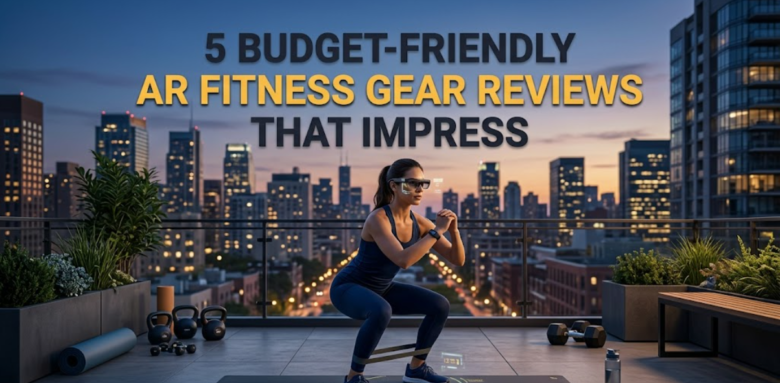
AR fitness has started blending the digital world with real-world movement, but most people assume you need expensive headsets or high-end smart gym systems to get started. That’s not true. A growing wave of budget-friendly AR fitness gear is proving that immersive workouts can be affordable, compact, and surprisingly effective. In reality, most AR fitness …
Fitness in 2026 doesn’t look like it used to. Instead of staring at a treadmill display or following static YouTube workouts, people are now training inside layered digital environments that respond to their movement in real time. Augmented Reality (AR) fitness gear has quietly shifted from experimental tech into something closer to everyday training equipment. …
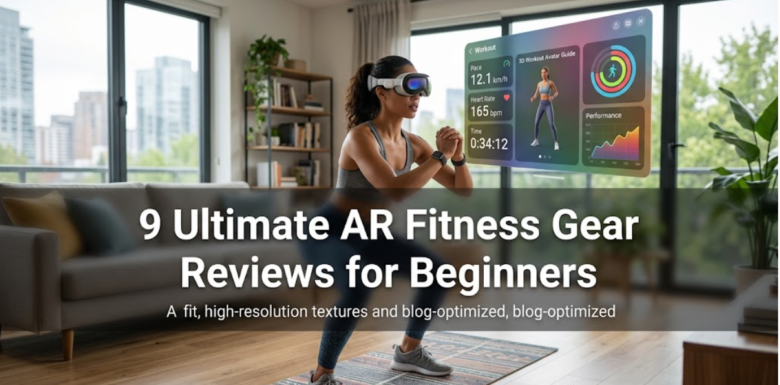
Augmented Reality (AR) fitness is no longer something futuristic or experimental—it is now a practical way for beginners to stay active, build consistency, and train smarter at home or in the gym. What makes AR fitness gear especially useful is that it removes confusion from workouts. Instead of guessing form, reps, or pacing, you get …