Let me be honest with you — I almost dropped $400 on a pair of AR fitness glasses last year before a friend stopped me and said, “Wait, have you actually tried the cheaper ones first?”
I hadn’t. And that conversation saved me from a pretty expensive mistake.
I spent the next few months testing budget AR fitness gear — the stuff that sits between $30 and $150 — and I was genuinely surprised by what I found. Some of it was junk. Some of it was shockingly good. And one piece of gear actually made me look forward to working out, which trust me, is a miracle in itself.
So here’s my honest breakdown of 7 budget-friendly AR fitness gear picks, what they actually do, and whether they’re worth your money.
1. Zwift Companion App + Budget ANT+ Heart Rate Monitor — The Starter Combo

Before you roll your eyes at “just an app,” hear me out. When I first got into AR-assisted workouts, I didn’t want to blow my budget before I even knew if I’d stick with it. The Zwift Companion paired with a $25–$35 ANT+ chest strap heart rate monitor was my entry point.
Zwift overlays your real performance data — cadence, heart rate, power output — onto a virtual AR cycling world. The budget HRM I used was the CooSpo H6, which costs around $30 and syncs flawlessly via Bluetooth and ANT+.
What I liked: Real-time feedback changed how I paced myself. Instead of guessing, I could see my zones displayed visually as I rode.
What I didn’t like: The chest strap got uncomfortable after 45 minutes of sweating. Worth the tradeoff, but something to know.
Verdict: 8/10 for beginners. This combo is one of the best AR fitness apps that actually work for people just getting started without committing to a massive investment.
2. Nreal Air (Now Xreal Air) Glasses — Budget AR Viewing Done Right
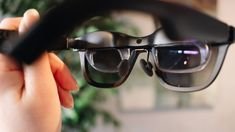
Okay, so these aren’t cheap cheap — they sit around $130–$150 on sale — but in the world of AR glasses, that’s basically the bargain bin.
I picked up a used pair and connected them to my phone during treadmill sessions. The idea was to watch workout videos or follow AR-guided routines without staring down at my phone propped on a treadmill arm.
The experience was actually great. The display is crisp, the glasses are lightweight (about 79g), and they connect via USB-C to your phone or laptop. I used them with the Holofit app for immersive cardio sessions.
Where it got tricky: They don’t have onboard AR processing — they’re essentially a portable screen. So true “augmented” overlay on your real environment isn’t happening here. But for guided workouts? Solid.
Mistake I made: I didn’t check the USB-C compatibility with my older Android phone first. Spent 20 minutes wondering why nothing was showing up.
| Feature | Xreal Air |
|---|---|
| Weight | ~79g |
| Display | 46° FoV, 1080p per eye |
| Connection | USB-C |
| Price Range | $130–$150 |
| Best For | Video-guided workouts |
Verdict: 7.5/10. Not pure AR, but the viewing experience during cardio is genuinely enjoyable.
3. Virzoom VR Bike Sensor Kit — AR Gamified Cardio on a Budget
This one surprised me the most. Virzoom makes a sensor kit that attaches to any stationary bike you already own — no need to buy their branded equipment. The sensor tracks your pedaling and syncs to games and fitness apps that turn your ride into an interactive experience.
I tested it on a $60 foldable exercise bike I picked up secondhand. Combined with the Virzoom app, suddenly I was cycling through virtual landscapes with real-time AR overlays showing speed, distance, and calories.
The good stuff: Setup is actually simple. Strap the sensor on, download the app, calibrate for about 3 minutes, and you’re riding. It’s one of those AR fitness tools that feel like a game — and that’s exactly why it works.
The not-so-good: The app library is limited compared to premium platforms. If you get bored of the same three environments quickly, you’ll hit a wall.
Lesson learned: Pair it with a secondhand bike and you’ve got a full AR cardio setup for under $100 total. That’s a win.
Verdict: 8.5/10 for value. Brilliant budget hack if you already have any stationary bike.
4. Amazfit Band 7 — The Budget AR Wearable That Earns Its Place
At around $50, the Amazfit Band 7 punches well above its weight class. I know, I know — it’s technically a fitness band, not a “headset.” But in the context of AR fitness, wearables that feed real-time biometric data into AR platforms are a crucial piece of the puzzle.
The Band 7 tracks heart rate, SpO2, stress levels, and over 120 workout modes. I connected it to Supernatural (the Oculus Quest app) and my workout data synced in real-time, letting the app adjust intensity based on my actual effort.
What stood out: The battery life is insane — up to 18 days on a charge. I forgot what it felt like to charge a fitness tracker every other day.
What I’d change: The screen is small, and reading detailed stats mid-workout is harder than I’d like. But for data collection that feeds into AR apps, it’s excellent.
| Metric | Amazfit Band 7 |
|---|---|
| Battery Life | Up to 18 days |
| Price | ~$50 |
| Health Sensors | HR, SpO2, Stress |
| App Compatibility | Amazfit, Zepp, third-party |
| Best AR Pairing | Supernatural, Holofit |
Verdict: 9/10 for budget wearables. The best value I found in this entire roundup.
5. RENPHO Smart Jump Rope — Old-School Tool, New-School Data
This one I almost didn’t include because a jump rope feels too basic. But the RENPHO Smart Jump Rope at around $35 was a reminder that AR fitness doesn’t have to mean headsets and glasses.
The rope has built-in sensors that count jumps, measure calorie burn, and sync the data to an app. The app then overlays progress tracking visually — showing streaks, heart rate zones over time, and workout history in a clean AR-style dashboard.
I used this during a period when I had zero gym access. Fifteen minutes of jump rope data synced to my phone dashboard genuinely motivated me to push harder the next day.
The honest truth: The rope itself is a bit stiff at first. Give it a week of use and it loosens up nicely.
Common mistake people make: They set the rope length wrong and spend the first few sessions tripping. Spend five minutes calibrating it for your height — the app actually walks you through it.
Verdict: 7/10. Simple, effective, and underrated. Great for people who want AR-assisted tracking without any complicated setup.
6. Oculus Quest 2 (Meta Quest 2) — The Budget King of Full AR Fitness
Before you say “that’s not budget” — hear me out. The Meta Quest 2 now retails for around $150–$200 refurbished, and it genuinely changes everything about AR fitness.
I resisted buying this for almost a year because it felt like overkill. Then a coworker let me try Beat Saber for ten minutes and I was absolutely drenched in sweat afterward. That was my turning point.
With apps like Supernatural, FitXR, Les Mills Bodycombat, and Thrill of the Fight, the Quest 2 turns exercise into something you actively want to do. The AR overlays during workouts are immersive, the coaching feels personal, and the data tracking is surprisingly detailed.
For a deep dive into what AR fitness gear is changing the game right now, this falls squarely into the category of game-changing AR fitness innovations that have gone from novelty to necessity.
Where it falls short: The headset gets warm during intense sessions, and the foam padding absorbs sweat (you’ll want a third-party silicone cover — about $15 on Amazon). Also, subscription costs for premium apps like Supernatural add up.
Budget tip: Buy refurbished from Meta’s official store. Full warranty, significantly lower price.
Workout Calorie Comparison (30 min sessions):
| Activity | Avg Calories Burned |
|---|---|
| Beat Saber (Expert) | ~320 cal |
| Supernatural (Cardio) | ~350 cal |
| FitXR Boxing | ~280 cal |
| Traditional Treadmill | ~240 cal |
Verdict: 9.5/10. If you can stretch your budget to grab a refurbished unit, this is the single best investment in AR fitness gear I’ve ever made.
7. Kinect-Style Motion Sensors (Refurbished Xbox Kinect + PC Setup) — The Underdog Pick
This last one is for the tinkerers. You can find a used Xbox Kinect sensor for $15–$30, hook it up to a PC with the right drivers, and run it with motion-tracking fitness apps like Kinetica or YUR Fit.
It’s not plug-and-play — I’ll be real with you. I spent about 90 minutes getting the drivers working the first time, and there was a lot of Googling involved. But once it was set up, the full-body motion tracking overlaid onto workout animations was genuinely impressive for the price.
Best use case: Yoga and stretching routines where the Kinect tracks your body alignment and gives AR feedback on your form. It’s rough around the edges but functional.
Who it’s for: Tech-savvy users who enjoy DIY setups and don’t mind a learning curve. If you’re not comfortable with basic PC troubleshooting, skip this one.
Lesson learned: Check your PC’s USB 3.0 ports before buying. The Kinect needs USB 3.0 minimum and will not work properly on 2.0. Learned that the hard way.
Verdict: 6.5/10 for most people, but 9/10 if you love tinkering. An extraordinary value for those willing to put in setup time.
Common Mistakes I Made (So You Don’t Have To)
A few things tripped me up across this whole testing process:
Buying without checking app compatibility first. Half these devices are only as good as the apps they connect to. Always check the supported platform list before purchasing.
Ignoring the sweat factor. Almost every headset or wearable I tested needed aftermarket sweat protection. Budget for it.
Assuming “budget” means “bad.” The Amazfit Band 7 outperformed trackers twice its price in daily use. Price isn’t always the right indicator.
Not calibrating sensors properly. Every device had a calibration step I rushed through. Every single time, I regretted it within the first workout session.
Quick Comparison: All 7 Budget AR Fitness Picks at a Glance
| Gear | Price Range | Best For | My Rating |
|---|---|---|---|
| CooSpo H6 + Zwift | $25–$35 | Cycling, beginners | 8/10 |
| Xreal Air Glasses | $130–$150 | Video-guided cardio | 7.5/10 |
| Virzoom Sensor Kit | $40–$60 | Stationary bike gamification | 8.5/10 |
| Amazfit Band 7 | ~$50 | Biometric tracking, all workouts | 9/10 |
| RENPHO Smart Rope | ~$35 | Cardio, no-equipment training | 7/10 |
| Meta Quest 2 (Refurb) | $150–$200 | Full immersive AR fitness | 9.5/10 |
| Xbox Kinect + PC | $15–$30 | DIY motion tracking | 6.5/10 |
If you’re still figuring out where to start, the Amazfit Band 7 + Zwift combo is my honest recommendation for anyone on a tight budget. It’s low-risk, genuinely useful, and gives you a real taste of what AR-assisted fitness feels like without dropping serious cash.
And if you can stretch to the Meta Quest 2 refurbished — just do it. You’ll stop thinking of workouts as a chore within a week.
The AR fitness space is moving fast, and the best part is that budget gear is actually keeping up. You don’t need to spend $500 to get a genuinely great experience anymore.