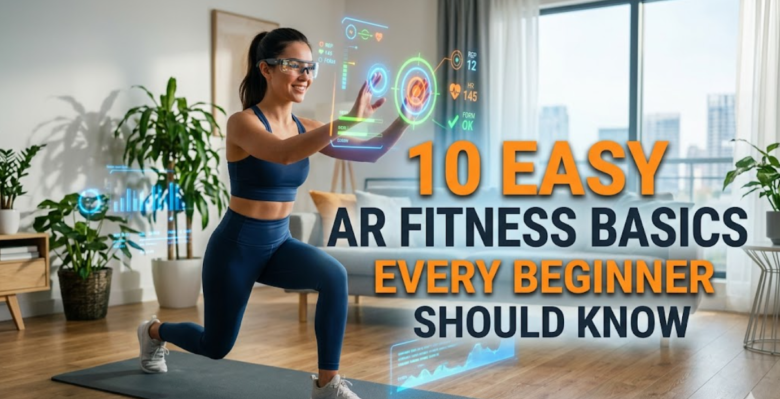
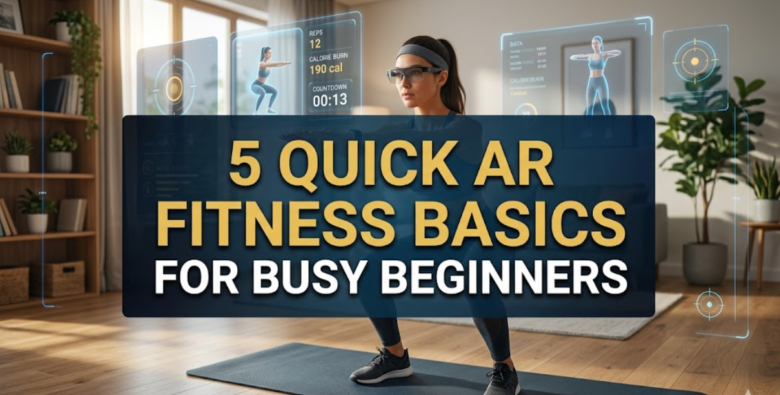
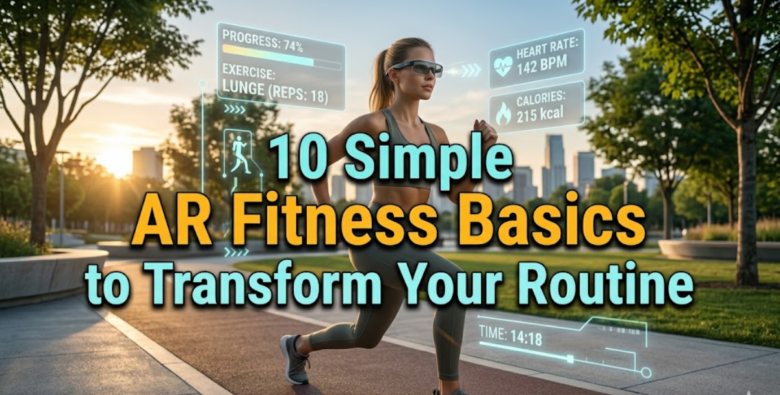
I’ll be honest — the first time I strapped on a pair of AR-enabled glasses for a workout, I felt ridiculous. Standing in my living room, trying to squat while little holographic arrows pointed at my knees, I knocked over a plant and nearly tripped over my dog. Classic. But here’s the thing: three weeks …

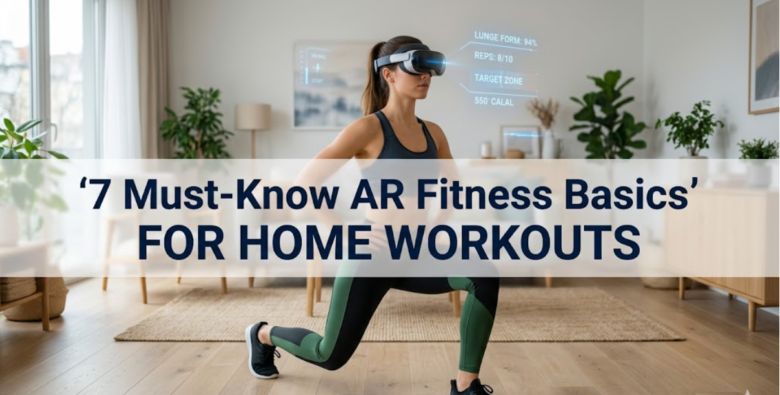
I remember the first time I strapped on a pair of AR fitness glasses and launched a workout app. I was hyped. Like, genuinely excited in a way I hadn’t been about exercise in years. The virtual coach was right there in my living room, arrows floating in the air showing me where to place …
I’ll be honest — the first time I tried an AR fitness app, I looked absolutely ridiculous. I was standing in my living room, arms flailing at invisible targets, nearly knocking over a lamp, while my dog watched me with what I can only describe as deep concern. But here’s the thing: I had just …
My first week trying AR fitness was genuinely humbling. I had watched a few YouTube videos, bought into the hype, strapped on a headset, and immediately walked into my coffee table. Then I spent the next twenty minutes trying to figure out why the app wasn’t tracking my movements properly. By the end of it, …
The first time I heard someone say “I do AR workouts,” I genuinely thought they were talking about Arkansas. I had no idea what augmented reality fitness even meant, and honestly, I didn’t care to find out — it sounded like something only tech bros with expensive headsets and too much time on their hands …
Augmented reality (AR) fitness has moved from a futuristic idea into something people casually use at home, in parks, and even at gyms. In 2026, you don’t need expensive equipment or complicated setups to experience it—just a smartphone or AR-enabled device. But here’s the thing most beginners miss: AR fitness is not just “playing games …
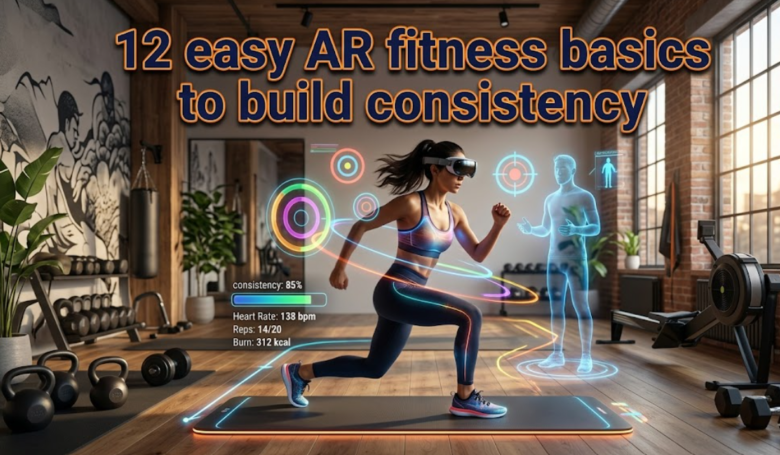
Augmented reality (AR) fitness isn’t just a tech trend anymore—it’s becoming a practical way for people with busy schedules to stay active without needing a gym, long routines, or complicated planning. But most people don’t fail at fitness because they lack tools. They fail because they lack consistency. AR fitness apps solve part of that …
Augmented Reality (AR) fitness is quietly changing how people approach exercise at home. Instead of staring at a flat video or following repetitive instructions, AR brings movement into your actual environment. Your living room becomes a training space, your hallway turns into a running lane, and your phone or headset becomes a personal coach. But …
Most people don’t struggle with fitness because they lack motivation. They struggle because they lack time, structure, and clarity on what actually works. That’s exactly where augmented reality (AR) fitness quietly steps in. Unlike traditional workouts that demand planning, memorizing routines, or watching long videos, AR fitness simplifies everything into visual, real-time guidance. It blends …
Augmented Reality (AR) fitness has moved from a futuristic idea to something people can use in their living rooms, parks, and gyms every day. Instead of simply watching workout videos or following static routines, AR fitness layers interactive digital elements over your real environment. That shift changes how people move, how long they stay active, …