Okay, real talk — I used to be the person who bought fitness gear, used it twice, and then watched it collect dust on a shelf. A resistance band here, a foam roller there, a heart rate monitor that confused me more than helped me. You probably know the type.
Then I stumbled into AR fitness gear almost by accident. My gym buddy showed up to our virtual workout session wearing these weird glasses and kept saying things like “the arrow is pointing left, follow it!” I thought he’d lost it. Six months later, I’m the one evangelizing AR fitness to anyone who’ll listen.
But here’s the thing — not all AR fitness gear is created equal. I’ve tested a bunch of it, made some expensive mistakes, and want to save you the headache. These six reviews are based on real use, real sweat, and honestly, some real frustration too.
1. Meta Quest 3 (Used as an AR Fitness Headset) —
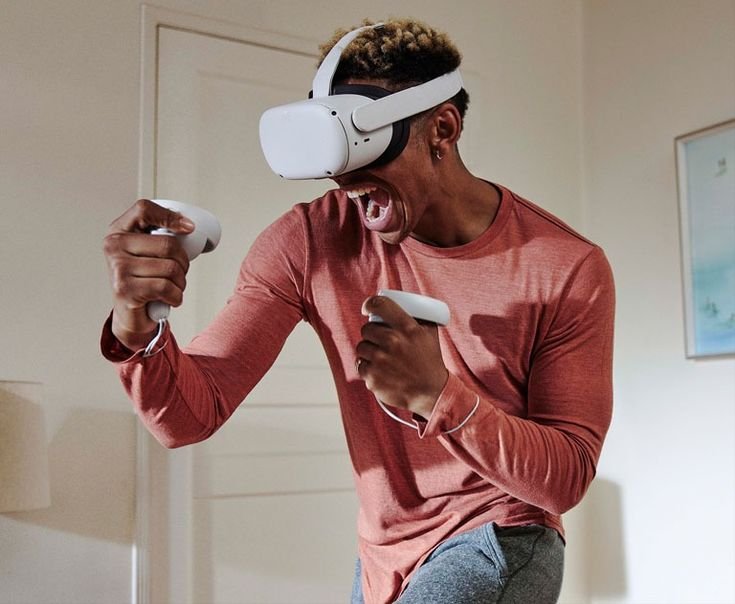
Let me start with the big one that everyone asks about first.
The Meta Quest 3 isn’t exclusively a fitness device, but when you pair it with apps like Les Mills Bodycombat, Supernatural, or FitXR, it genuinely transforms into one of the best AR/VR fitness tools available right now.
What I noticed after 3 weeks of use:
The passthrough feature on the Quest 3 is genuinely impressive — you can overlay fitness content onto your actual living room. I was ducking virtual obstacles in my own hallway. My dog was thoroughly confused.
Pros:
- High-resolution mixed reality passthrough
- Massive library of fitness apps
- Tracks movement accurately enough to make you genuinely sweat
- Social features keep you accountable
Cons:
- Heavy after 45+ minutes — your neck will feel it
- Needs a dedicated clear space (I knocked over a lamp, not proud of it)
- Battery dies around 2–2.5 hours of active use
Verdict: If you’re serious about AR fitness and have the budget (~$499), this is the one to start with. Just move the lamp first.
Best for: Full-body cardio, boxing, dance workouts
2. Apple Watch Ultra 2 (With AR-Connected Fitness Apps) —
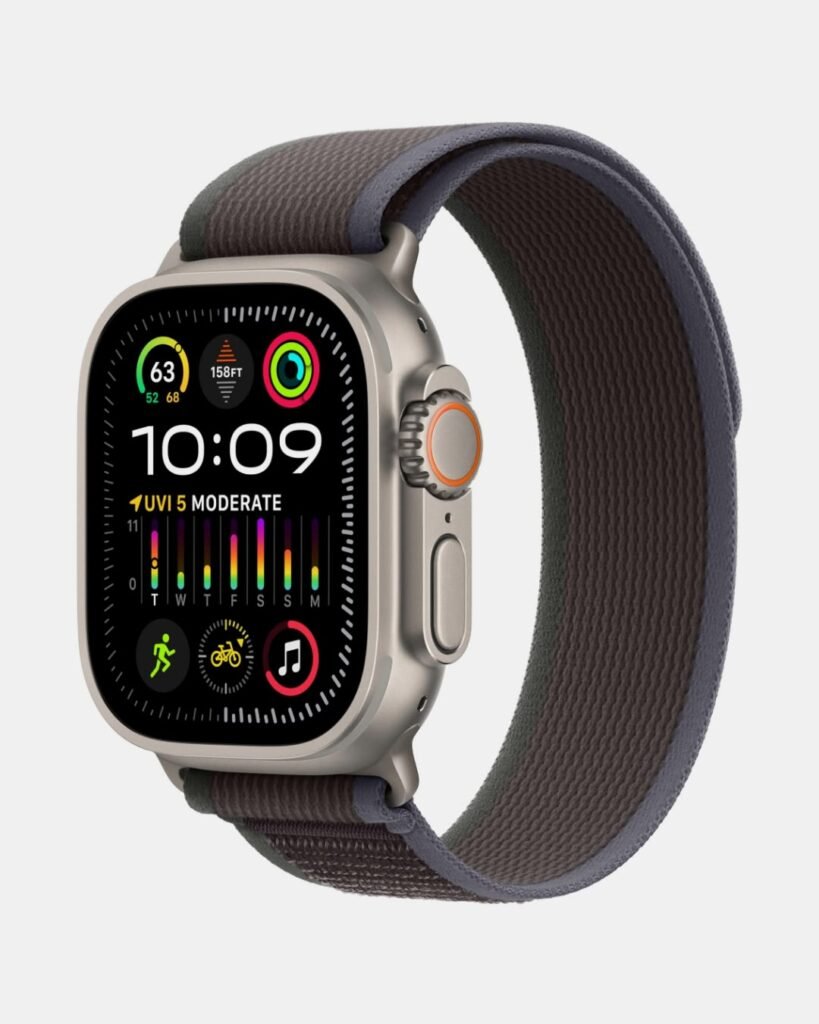
I know what you’re thinking — “that’s just a smartwatch.” And you’re partially right. But when you sync the Apple Watch Ultra 2 with AR-enabled apps like Gentler Streak, Zones for Training, or use it alongside an iPhone with AR workout guidance, the experience is genuinely next level.
The Ultra 2 feeds real-time biometric data — heart rate, oxygen levels, calorie burn — directly into AR overlays on your iPhone screen. During a run, I had pace arrows, heart rate zones, and route elevation displayed in my camera view through my phone. Clunky to hold? Yes. Surprisingly motivating? Also yes.
My honest experience:
I trained for a 5K using the Apple Watch Ultra 2 paired with an AR running coach app. The feedback loop of seeing my real-time data overlaid on my actual route made me push harder than any audio coach ever did. I shaved 40 seconds off my pace over three weeks.
| Feature | Apple Watch Ultra 2 |
|---|---|
| Battery Life | Up to 60 hours (standard) |
| AR Integration | Via iPhone camera + apps |
| Water Resistance | 100m |
| GPS Accuracy | Dual-frequency, excellent |
| Price Range | ~$799 |
Who should skip it: If you’re not already in the Apple ecosystem, the setup friction isn’t worth it. Android users, keep scrolling.
Best for: Runners, cyclists, endurance athletes
3. FORM Swim Goggles —
This one genuinely surprised me. I had low expectations — the idea of AR goggles for swimming felt gimmicky. I was completely wrong.
FORM Smart Swim Goggles project real-time metrics directly onto the lens while you’re swimming. Lap count, split times, stroke rate, pace per 100m — all right there in your field of vision. No stopping to check your watch. No losing count of laps after someone splashes you mid-thought.
The experience:
First session, I kept cross-eying myself trying to read the display. Takes about two or three sessions to stop noticing the overlay and just swim. Once it clicked though? Game changer. I started hitting consistent splits for the first time in years because I could see when I was slowing down.
If you’re serious about swimming improvement, check out more about how AR fitness tools are evolving for home and gym use — the swimming space is one of the fastest growing.
Pros:
- Actually waterproof (obviously, but still impressive tech)
- Easy to read display even in bright pool lighting
- Syncs with Garmin, Apple Health, Strava
- Relatively affordable compared to other AR gear (~$199)
Cons:
- Only useful if you swim (fair enough)
- Display can fog if the seal isn’t perfect
- App needs improvement — a bit clunky to configure
Verdict: Best specialized AR fitness gear I’ve tested. If swimming is your thing, stop hesitating.
Best for: Lap swimmers, triathletes, competitive swimmers
4. Vitruvian Trainer+ (Smart Cable Machine with AR Guidance) —
This one is less “glasses on your face” AR and more “intelligent AR coaching overlaid on your screen,” but the technology is sophisticated enough to deserve a spot here.
The Vitruvian Trainer+ is a compact cable machine that uses AI and AR-style coaching through its companion app. It films your movement, overlays your form against an ideal movement template in real time, and gives you live corrections.
What makes it different:
I tried doing cable rows using the standard “watch a YouTube video” method for about a year. My form was apparently terrible — I had no idea. Three sessions with the Vitruvian’s form overlay feedback and a trainer literally pointed out I’d been compensating with my left shoulder the whole time.
It’s the kind of feedback you’d normally pay a personal trainer $80/session for.
Quick Stats:
| Spec | Detail |
|---|---|
| Resistance Range | 0–200kg (eccentric) |
| AR Feature | Real-time form overlay via app |
| Connectivity | WiFi + Bluetooth |
| Footprint | ~60cm x 60cm |
| Price | ~$2,990 |
Yes, it’s expensive. No, it’s not for casual users. But for people who lift seriously and want real-time form correction without a gym membership, it’s genuinely worth exploring.
For those curious about where this kind of technology is heading, this breakdown of future AR fitness gear trends is worth a read.
Best for: Strength trainers, home gym enthusiasts, rehab-focused users
5. Holofit by Holodia (Rowing, Cycling & Elliptical AR Overlay) —
If you already own cardio equipment — a rowing machine, a stationary bike, an elliptical — and find it mind-numbingly boring, Holofit might be the thing that saves your relationship with that dusty machine in the corner.
Holofit pairs with most major cardio equipment brands and overlays immersive AR/VR environments onto a headset or screen. You’re rowing through Venice. Cycling through Norwegian fjords. Your actual pedaling or rowing resistance syncs with the virtual terrain.
My experience:
I borrowed a friend’s rowing machine for a week (she never used it, classic). Without Holofit, I lasted 8 minutes before boredom won. With Holofit running on a Meta Quest 2? I did 35 minutes without noticing. I was genuinely trying to see what was around the next virtual bend.
Pros:
- Works with existing equipment (huge plus)
- Genuinely immersive environments
- Multiplayer mode — race against real people worldwide
- Regular new environments added
Cons:
- Subscription required (~$14.99/month after trial)
- Needs a compatible VR headset
- Some lag when syncing with older equipment
Verdict: This is the best solution for people who already have cardio equipment but lack motivation. The ROI compared to the dusty-machine alternative is obvious.
Best for: Rowers, cyclists, elliptical users looking to stay consistent
6. Nexersys N3 Elite (AR-Guided Combat Fitness System) —
Full disclosure — I nearly didn’t include this because of the price tag. Then I used it and couldn’t leave it out.
The Nexersys N3 Elite is essentially an interactive boxing bag with an AR-integrated screen. It displays strike targets, tracks your punch speed and force, times your combinations, and gives you structured combat fitness workouts with live performance overlays.
It’s what you get if a boxing coach, a fitness game, and a heavy bag had a baby.
The workout reality:
I am not a boxer. I threw my first real punch at one of these and nearly twisted my wrist from poor technique. The system actually flagged my strike angle as suboptimal (which felt both embarrassing and helpful). By session four, my combinations were landing cleaner and I was genuinely looking forward to workouts — which is not something I say lightly.
For beginners getting into AR fitness tools, this guide on must-have AR fitness tools for beginners covers the gentler entry points before jumping to something like this.
| Feature | Detail |
|---|---|
| Strike Zones | 6 LED-guided zones |
| Data Tracked | Speed, power, accuracy, combos |
| AR Display | Integrated touchscreen with overlays |
| Price | ~$3,500–$4,500 |
Cons:
- Extremely expensive
- Large footprint — needs dedicated space
- Overkill for casual users
Best for: MMA enthusiasts, boxing hobbyists, hardcore home gym builders
Common Mistakes People Make When Buying AR Fitness Gear
Before you swipe your card, here’s what I wish someone had told me:
Mistake 1: Buying the headset before trying the apps The hardware is only as good as the software ecosystem. Always check what fitness apps work with a device before buying it.
Mistake 2: Ignoring space requirements AR fitness gear often needs more room than you think. Measure your workout space first. Seriously.
Mistake 3: Underestimating setup time Most of these devices need calibration, app setup, account creation, and syncing. Budget an hour for first-time setup, not ten minutes.
Mistake 4: Chasing the most expensive option The FORM goggles at $199 beat several $500+ devices for pure workout value — at least for swimmers. Match the gear to your actual fitness habits, not your aspirational ones.
Mistake 5: Skipping the free trials Most AR fitness platforms offer free trials. Use them aggressively before committing to subscriptions.
Quick Comparison: Which Gear Is Right for You?
| Gear | Best For | Price Range | Difficulty Level |
|---|---|---|---|
| Meta Quest 3 | Cardio, boxing, dance | ~$499 | Beginner–Intermediate |
| Apple Watch Ultra 2 | Running, cycling | ~$799 | Beginner |
| FORM Swim Goggles | Swimming | ~$199 | Beginner |
| Vitruvian Trainer+ | Strength training | ~$2,990 | Intermediate–Advanced |
| Holofit by Holodia | Cardio equipment users | ~$15/mo + headset | Beginner |
| Nexersys N3 Elite | Combat fitness | ~$3,500+ | Intermediate–Advanced |
Final Thoughts
If you’d told me two years ago I’d be writing enthusiastically about AR fitness gear, I’d have laughed. I was firmly in the “just lift things and put them down” camp.
But the honest truth is — the gear that keeps you showing up is the best gear. And for me, and for a lot of people I’ve talked to, AR makes workouts feel less like a chore and more like something worth looking forward to. The FORM goggles got me back into swimming. Holofit turned a borrowed rowing machine from a coat rack into something I actually used.
You don’t have to buy everything on this list. Start small. Start with what matches your existing habits. But if you’ve been struggling with consistency, there’s a real chance that one of these six could quietly change your entire relationship with exercise.