The first time I tried an augmented reality workout, it felt oddly futuristic—like stepping into a video game where my body was the controller. No gym intimidation, no confusion about form, just clear, interactive guidance floating right in front of me. That’s the promise of augmented reality (AR) fitness: turning everyday spaces into dynamic training environments.
AR fitness isn’t just hype. It overlays digital guidance, coaching, and feedback onto your real-world surroundings, helping beginners learn faster and train smarter. Studies show AR can improve exercise learning quality compared to traditional methods like videos or images, especially for movements requiring spatial awareness .
For beginners, the biggest challenge is often not motivation—it’s knowing what to do and how to do it correctly. That’s where AR tools shine.
This article explores 9 must-have AR fitness tools that make starting your fitness journey easier, more engaging, and surprisingly fun.
what makes AR fitness tools beginner-friendly
Before diving into the tools, it helps to understand why AR works so well for beginners.
AR systems provide:
- Real-time visual guidance
- Immediate feedback on posture and movement
- Interactive and gamified workouts
- Personalized training experiences
Unlike traditional fitness apps, AR tools blend physical movement with digital coaching, making workouts feel intuitive and immersive .
quick comparison of AR fitness tool categories
| Tool Category | Beginner Benefit | Difficulty Level | Equipment Needed |
|---|---|---|---|
| AR Fitness Apps | Guided workouts anywhere | Easy | Smartphone |
| Smart Mirrors | Real-time coaching & feedback | Medium | Mirror device |
| AR Glasses | Hands-free tracking | Medium | AR headset |
| AR Wearables | Performance metrics | Easy | Fitness tracker |
| AR Games | Motivation through gamification | Easy | Smartphone / headset |
| AR Gym Equipment | Correct form guidance | Medium | Gym machines |
| AR Treadmills | Immersive cardio | Medium | Specialized treadmill |
| AR Resistance Systems | Smart strength training | Medium | Equipment system |
| AR Coaching Platforms | Personalized programs | Easy | Mobile device |
- AR fitness apps
Examples include AR Fitness App and DHZ Fitness AR.
This is where most beginners should start.
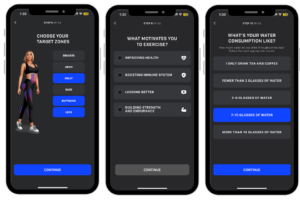
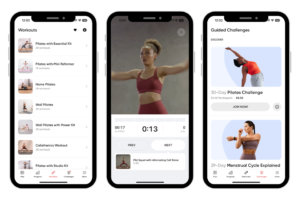
AR fitness apps turn your phone into a virtual trainer. You point your camera at your workout space, and suddenly there’s a 3D instructor guiding your movements.
Key features:
- 3D exercise demonstrations
- Progress tracking
- Personalized routines
- Nutrition integration
Some apps even allow you to book trainers or follow structured programs directly within the interface .
Why it’s great for beginners:
You don’t need any expensive gear—just your phone and a bit of floor space.
- smart AR fitness mirrors
Smart mirrors are like having a personal trainer embedded in your wall.
They display:
- Your reflection
- Overlayed workout instructions
- Real-time posture corrections
These mirrors can guide yoga, strength training, and cardio sessions while analyzing your form.
beginner advantage:
You instantly see what you’re doing wrong without needing a coach.
- AR glasses for fitness tracking
AR glasses project workout data directly into your field of vision.
Imagine seeing:
- Heart rate
- Reps
- Calories burned
- Movement cues
All without looking at your phone.
Why beginners benefit:
- Hands-free experience
- Continuous feedback
- Better focus on movement
Modern AR glasses are becoming lighter and more practical for active use, improving comfort during workouts.
- AR-powered wearables
Wearables like smart bands and watches now integrate AR-compatible features.
They track:
- Movement patterns
- Workout intensity
- Recovery metrics
When synced with AR apps, they provide deeper insights into your performance.
beginner advantage:
You learn not just how to exercise—but how your body responds.
- gamified AR workout apps
Fitness becomes a game with AR.
Popular formats include:
- Zombie chase running apps
- AR boxing challenges
- Interactive obstacle courses
These tools transform workouts into missions, increasing motivation.
AR gamification has been shown to boost engagement by making exercise feel less like a chore and more like play .
- AR gym equipment
Some modern gyms now integrate AR directly into machines.
For example:
- Scan a QR code
- See step-by-step instructions
- Watch animations of proper form
These systems reduce confusion and injury risk by showing exactly how to use equipment correctly .
beginner benefit:
No more guessing how machines work.
- AR treadmills and cardio systems
AR treadmills simulate environments like:
- Mountain trails
- City runs
- Competitive races
Instead of staring at a wall, you’re running through dynamic virtual landscapes.
beginner advantage:
Cardio becomes engaging, not boring.
- AR resistance training systems
These systems adjust resistance digitally and guide your form in real-time.
Features include:
- AI-powered weight adjustments
- Form correction overlays
- Strength progression tracking
They combine traditional strength training with smart coaching.
- AR coaching platforms
Platforms powered by AR offer:
- Personalized plans
- Real-time corrections
- Adaptive workouts
Some even use AI to modify routines based on your performance.
beginner advantage:
You get a tailored experience without hiring an expensive trainer.
how AR improves beginner fitness outcomes
Here’s a simplified comparison between traditional and AR-based training:
| Feature | Traditional Workouts | AR Fitness |
|---|---|---|
| Form Correction | Limited | Real-time |
| Engagement | Low–Moderate | High |
| Personalization | Basic | Advanced |
| Learning Speed | Slower | Faster |
| Motivation | Variable | Gamified |
Research suggests AR enhances learning and usability, making it especially effective for beginners who struggle with technique .
sample beginner AR workout routine
| Day | Tool Used | Activity | Duration |
|---|---|---|---|
| Monday | AR App | Full body workout | 30 min |
| Tuesday | AR Game | Cardio run | 20 min |
| Wednesday | Smart Mirror | Strength training | 30 min |
| Thursday | AR App | Yoga/stretching | 20 min |
| Friday | AR Wearable + App | HIIT workout | 25 min |
| Saturday | AR Treadmill | Endurance run | 30 min |
| Sunday | AR Coaching Platform | Recovery + mobility | 20 min |
common mistakes beginners should avoid
Even with AR tools, beginners can go wrong.
- relying too much on tech
AR is helpful, but your body awareness still matters. - skipping warm-ups
Even gamified workouts need proper preparation. - ignoring fatigue signals
Data is useful—but listen to your body. - overtraining
AR makes workouts fun, which can lead to doing too much too soon.
future of AR fitness for beginners
AR fitness is still evolving, but trends suggest:
- More affordable AR devices
- AI-driven coaching
- Fully immersive home gyms
- Social AR workouts
The goal is simple: make fitness accessible, engaging, and effective for everyone.
And for beginners, that’s a game-changer.
FAQs
- do I need expensive equipment to start AR fitness
No. Most beginners can start with just a smartphone and a basic AR fitness app. - is AR fitness better than traditional workouts
It’s not necessarily better—but it’s more engaging and helpful for learning proper form. - can AR fitness help with weight loss
Yes. It improves consistency and motivation, which are key factors in weight loss. - are AR workouts safe for beginners
Generally yes, especially since many tools provide real-time guidance and reduce injury risk. - how often should beginners use AR fitness tools
3–5 times per week is ideal, depending on fitness level and recovery. - do AR tools replace personal trainers
Not completely—but they offer a cost-effective alternative with similar guidance.