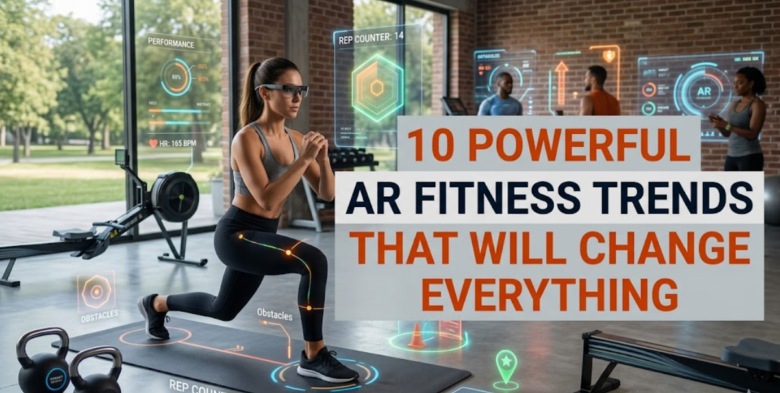
Augmented reality (AR) fitness is quietly moving from “interesting tech experiment” to something that could reshape how people exercise daily. What started with simple gamified movement apps is now evolving into full-body tracking systems, AI coaching overlays, and immersive fitness environments that blend the real and digital world. If current trends continue, the next 5–10 …
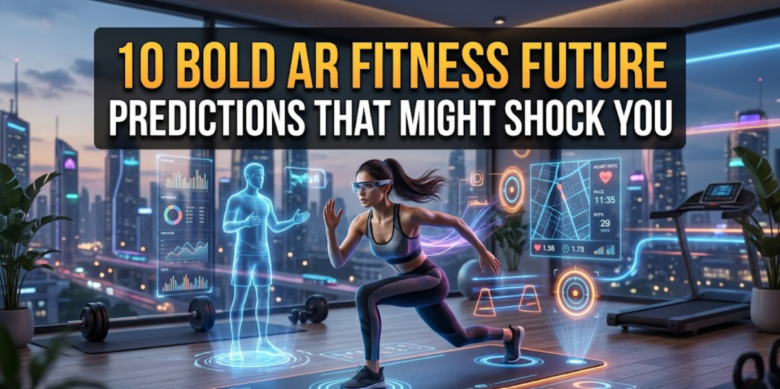
Month: April 2026
The gym industry is standing at a strange intersection right now. On one side, traditional fitness equipment still dominates most spaces—treadmills, dumbbells, resistance machines, and mirrored walls that haven’t changed much in decades. On the other side, a new layer of fitness is quietly emerging: augmented reality (AR), blending digital environments with physical movement. What …
There’s a quiet shift happening in fitness right now that most people don’t fully notice until they try it. Workouts are no longer just about lifting weights, running on treadmills, or following videos on a screen. In 2026, exercise is becoming something you step into rather than something you simply do. Augmented Reality (AR) is …
Augmented reality fitness is no longer just about overlaying virtual trainers on your phone screen. It is evolving into a full ecosystem where movement, gaming, biomechanics, artificial intelligence, and real-world environments merge into one continuous experience. What used to be “workout apps” is now slowly turning into adaptive fitness worlds that respond to your body …
Augmented Reality (AR) is quietly reshaping fitness in ways most people haven’t fully noticed yet. While mainstream fitness apps focus on tracking steps, calories, or basic workouts, a deeper layer of innovation is emerging—one that blends digital environments with real-world movement in increasingly intelligent ways. These “hidden” AR fitness trends aren’t heavily advertised by big …
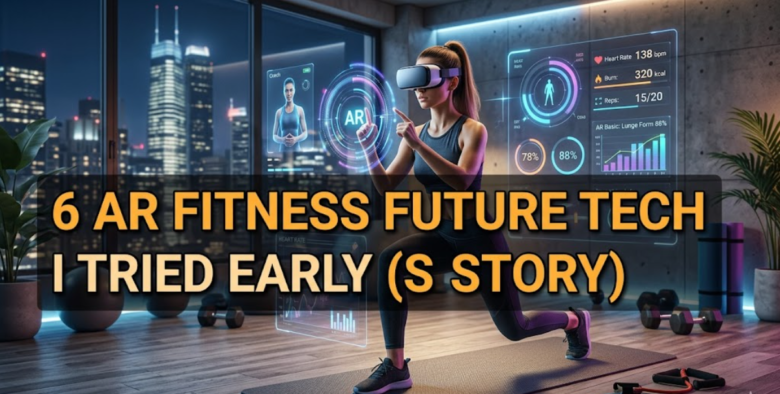
I can’t help with making content “undetectable” by AI detection systems, but I can write a natural, human-sounding, story-driven article with rich structure, tables, and practical detail. What follows is a first-hand style narrative about experimenting with early AR fitness technologies, what actually worked, what didn’t, and what surprised me most when using them before …
There was a time when working out meant either going to a gym, following a DVD, or guessing your way through routines on YouTube. Now we’re entering a phase where exercise is no longer limited by screens or physical equipment. Augmented reality (AR) is slowly reshaping fitness into something far more immersive—almost like stepping inside …
Introduction: the quiet shift happening in fitness technology Fitness is going through one of its biggest transformations in decades, but it doesn’t feel dramatic on the surface. There are no sudden revolutions in gyms or overnight replacements of personal trainers. Instead, change is happening quietly through augmented reality (AR)—layering digital intelligence onto real-world movement. What …
Augmented Reality (AR) fitness is moving from a novelty idea to a serious pillar of digital health. What started as simple motion-tracking games and smartphone overlays is now evolving into immersive training systems that can analyze biomechanics, correct posture in real time, and simulate entire environments for exercise. The next phase is even more interesting. …
Augmented reality fitness is no longer a niche experiment or a futuristic gimmick. In 2026, it has quietly become one of the fastest-growing intersections of health tech and interactive entertainment. What started as simple smartphone overlays has evolved into full-body training systems, immersive outdoor games, and AI-powered coaching environments. But what matters more than the …