Augmented Reality (AR) has quietly moved from a futuristic idea into something people are actually using for daily workouts. Instead of staring at a flat screen or following static routines, AR fitness apps place movement cues, targets, and coaching elements directly into your real environment. Your room becomes a studio, your hallway becomes a track, …
Month: April 2026
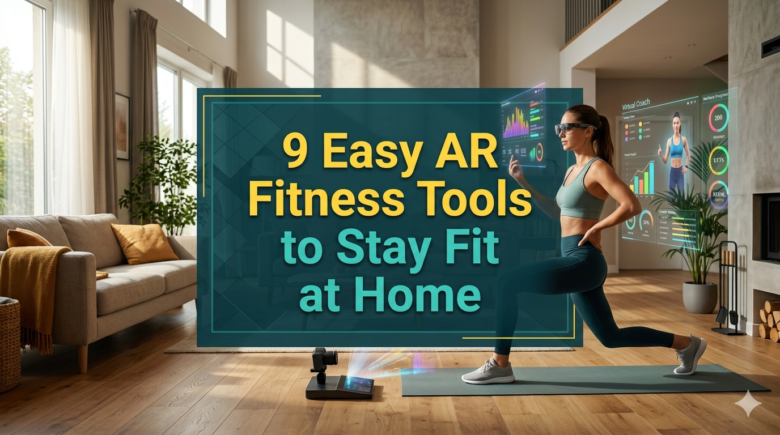
Staying fit at home has shifted from being a backup option to becoming a normal lifestyle for many people. Between busy schedules, rising gym costs, and the comfort of personal space, home workouts are no longer seen as “less serious.” In fact, with the rise of augmented reality (AR), home fitness has become more interactive, …
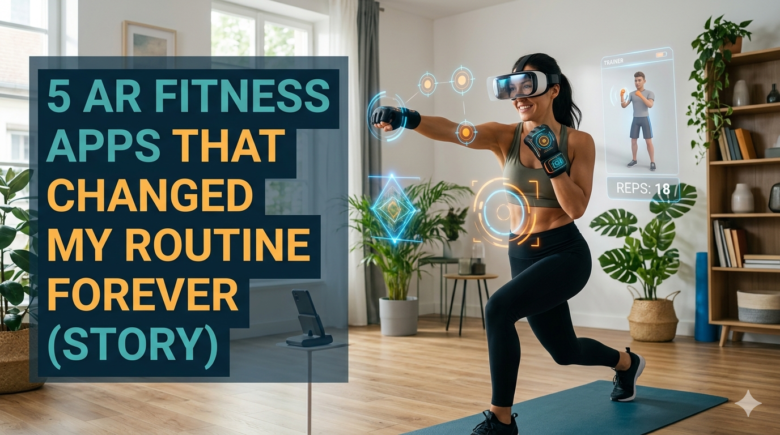
Introduction: how everything started For most of my adult life, fitness was something I kept “trying to get serious about.” I would join gyms, follow short-lived workout plans, and download random fitness apps that ended up sitting unused in my phone. The issue was never knowledge. I knew what to do. The issue was consistency. …
Fitness has always had one major problem: consistency. Most people don’t quit because they don’t know what to do—they quit because it feels repetitive, isolating, or boring. That’s exactly where augmented reality (AR) fitness apps are changing the game. Instead of staring at a flat screen or following static instructions, AR fitness apps turn your …
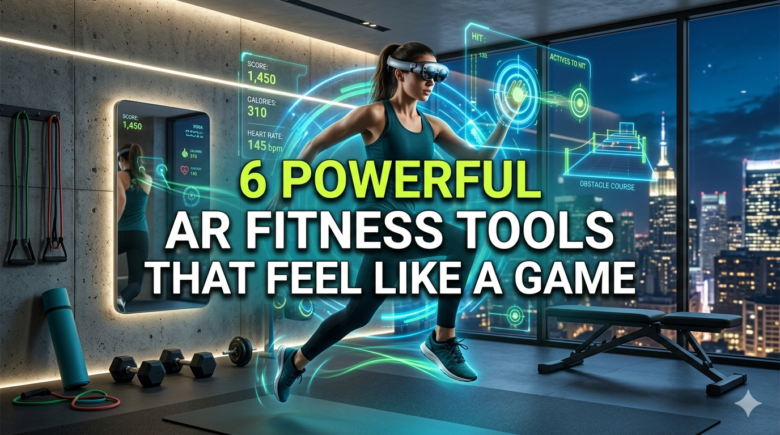
Fitness used to be repetitive. You’d count reps, watch timers, or follow static videos on a screen. But in 2026, that experience has quietly shifted into something far more immersive. Augmented reality (AR) fitness tools now turn living rooms, parks, and even sidewalks into interactive game environments. Instead of “working out,” users are dodging virtual …
The idea of exercising alongside digital objects floating in your living room used to sound like science fiction. In 2026, it’s just… Tuesday. Augmented reality (AR) has quietly reshaped how people train, making workouts more interactive, measurable, and—most importantly—less boring. Instead of staring at a timer or following a flat video, AR fitness apps overlay …
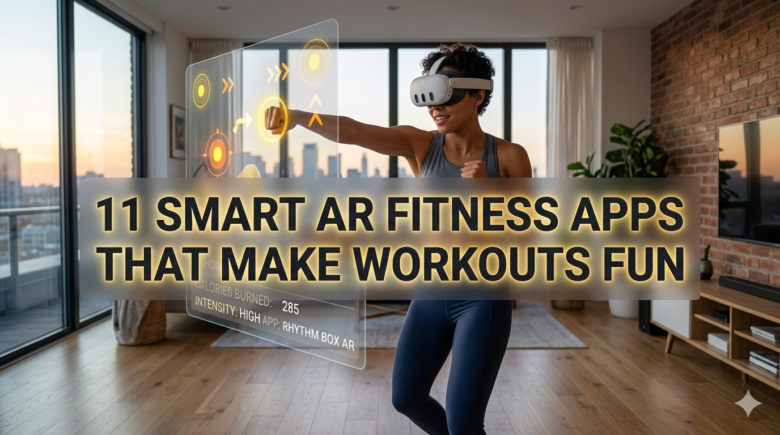
The idea of working out at home used to mean repeating the same routines with minimal feedback. Today, augmented reality (AR) is quietly reshaping that experience. Instead of staring at a timer or a static video, you can now interact with virtual trainers, track form in real time, and even gamify your workouts in your …
Introduction A few years ago, my workouts were the same every week: repetitive gym routines, occasional treadmill runs, and a lot of skipped days in between. The problem wasn’t motivation at the start—it was boredom. I needed something that felt interactive, something that made movement feel less like a chore. That’s when I started experimenting …
The first time I tried an augmented reality workout, it felt oddly futuristic—like stepping into a video game where my body was the controller. No gym intimidation, no confusion about form, just clear, interactive guidance floating right in front of me. That’s the promise of augmented reality (AR) fitness: turning everyday spaces into dynamic training …
Sticking to a workout routine is rarely about knowing what to do. Most people already understand the basics: move more, sit less, stay active. The real challenge is consistency. Motivation fades, schedules get messy, and workouts start to feel repetitive. This is where augmented reality (AR) fitness apps quietly change the game. AR blends the …