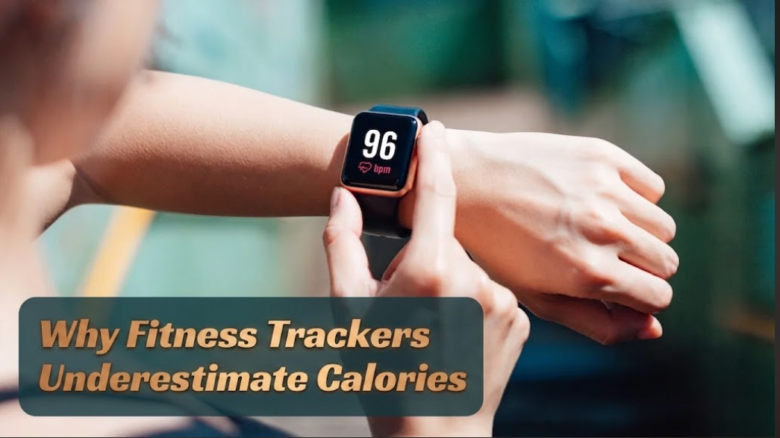
A client asked me last month why her fitness tracker said she’d burned 220 calories during a forty-minute AR boxing session that left her drenched and shaking by the end. She wasn’t wrong to question it. That number was low, and there’s a specific reason wrist-based trackers consistently undercount effort like that.
It comes down to what these devices are actually measuring versus what you assume they’re measuring. Most wrist trackers estimate calorie burn from heart rate and movement data, then run that through a formula based on general population averages for age, weight, and sex. They’re not measuring your metabolism directly. They’re guessing, using math that works reasonably well for steady-state cardio and works poorly for almost everything else.
1. Heart Rate Sensors vs Actual Metabolic Output
Wrist-based optical heart rate sensors read blood flow through your skin using light, which works fine when your arm is relatively still and blood flow is steady. Boxing, HIIT, or any AR workout with sharp directional changes and arm swings throws that reading off constantly. The sensor loses contact quality, skips beats, or averages out spikes it never fully captured.
Compare that to metabolic output during high-intensity intervals, which spikes and drops far faster than a wrist sensor can track accurately. Your actual calorie burn during those spikes is higher than what gets recorded, sometimes by a meaningful margin. This isn’t a defect in your specific device. It’s a structural limitation of optical heart rate sensing during high-movement activities.
2. Steady Cardio vs Interval and Combat-Style Workouts
This is where the comparison actually matters for anyone doing AR fitness specifically, since a lot of AR programs lean toward boxing, dance-based cardio, or interval circuits rather than steady jogging.
Comparison Table: Tracker Accuracy by Workout Type
| Workout Type | Typical Tracker Accuracy | Why |
|---|---|---|
| Steady-state walking/jogging | High, usually within 10-15% | Consistent heart rate, minimal wrist movement disruption |
| Cycling (stationary) | Moderate to high | Steady effort, though arm movement is minimal so calorie formulas may still underestimate leg-heavy exertion |
| AR boxing/combat | Low, often underestimates by 20-30% | Rapid arm movement disrupts sensor contact, sharp exertion spikes go uncaptured |
| HIIT/interval circuits | Low to moderate | Frequent intensity changes outpace sensor sampling rate |
| Dance-based cardio | Low | Constant motion and directional changes reduce signal quality significantly |
Steady-state activities give trackers their best shot at an accurate number because the heart rate curve is smooth and predictable. And that’s exactly the category most AR fitness workouts don’t fall into, which is part of why so many users feel like their tracker is lying to them.
3. Chest Straps vs Wrist Sensors for AR Fitness Specifically
If accurate calorie data actually matters to you, and for some people tracking macros or managing a specific health condition it genuinely does, a chest strap heart rate monitor paired with your AR fitness setup gives noticeably better data than the wrist sensor alone.
Chest straps read electrical signals directly from your heart’s activity, the same method used in clinical settings, rather than inferring pulse through skin and light. That method holds up during high-movement workouts in a way optical sensors don’t. I recommend this specifically to clients doing AR boxing or dance-based cardio regularly, less so to someone doing gentler stretching-based AR sessions where the wrist sensor’s limitations barely matter.
Here’s where people usually go wrong on this point. They assume a more expensive wrist tracker will fix the accuracy problem. It won’t, not meaningfully, because the limitation is the sensor type and placement, not the brand or price point. A three hundred dollar wrist tracker and a sixty dollar one will show similar accuracy gaps during a boxing session. arbodyhealth.online has a breakdown of how AR workouts track your form and effort in real time that gets into this in more technical detail if you want the full picture.
4. App-Estimated Calories vs Device-Measured Calories
There’s a second layer to this that trips people up separately from the sensor issue. Some AR fitness apps generate their own calorie estimates based on movement intensity and program design, independent of whatever your wearable reports. These two numbers frequently disagree, sometimes by a lot.
The app’s estimate is based on aggregate data from the workout program itself, essentially an average of what a typical user burns doing that specific routine. Your device’s number is trying to measure you specifically, just imperfectly. Neither is precise. But when I see clients getting frustrated by the mismatch, the fix is usually to stop treating either number as gospel and instead watch the trend over several weeks.
If you’re actively working toward a body composition goal, arbodyhealth.online’s piece on whether AR fitness is effective for weight loss covers why calorie precision matters less than consistency does, and that’s held up well against everything I’ve seen with clients over the years.
What Actually Helps
Stop comparing your AR session’s calorie number to what a treadmill or a different app reports for a similar-feeling workout. They’re built on different assumptions and rarely agree, even when both devices are functioning correctly. If precision genuinely matters for your situation, a chest strap solves most of the wrist-sensor accuracy gap. For everyone else, the trend over time tells you far more than any single session’s number.
I’ll admit I used to explain this differently to clients, focusing mostly on the heart rate sensor limitation and glossing over the app-versus-device discrepancy. That left people more confused, not less. Breaking it into these two separate issues, sensor accuracy and estimation method, actually makes the whole thing click for most people the first time.
FAQs
Should I trust my AR fitness app’s calorie count or my wrist tracker’s number more? Neither is precise enough to treat as exact, but the app’s estimate is often more consistent for that specific workout type since it’s built around the program’s known intensity. Use whichever one you check consistently, and watch the trend rather than any single number.
Does a chest strap really make a noticeable difference for AR boxing workouts? Yes, particularly for boxing or any workout with rapid arm movement, since chest straps aren’t disrupted by wrist motion the way optical sensors are. Most clients who switch notice a clear jump in reported calories that better matches their actual perceived effort.
Why does the same workout show different calorie numbers on different days? Hydration, sleep, stress, and even how snugly your tracker fits that day can all shift heart rate readings slightly, which cascades into different calorie estimates. This is normal and isn’t usually a sign anything is broken.
Is it worth buying a more expensive tracker for better calorie accuracy? Generally not for this specific issue, since the accuracy gap comes from sensor type and placement rather than price point. A chest strap addition will do more for accuracy than upgrading to a pricier wrist device.
How much should I actually rely on calorie numbers for weight management goals? Treat them as a rough trend indicator, not a precise budget to hit daily. Combining consistent workout habits with how your clothes fit and how your energy feels week to week tends to be a more reliable gauge than chasing an exact calorie figure.
If the number feels off compared to how the workout actually felt, trust your body over the device.