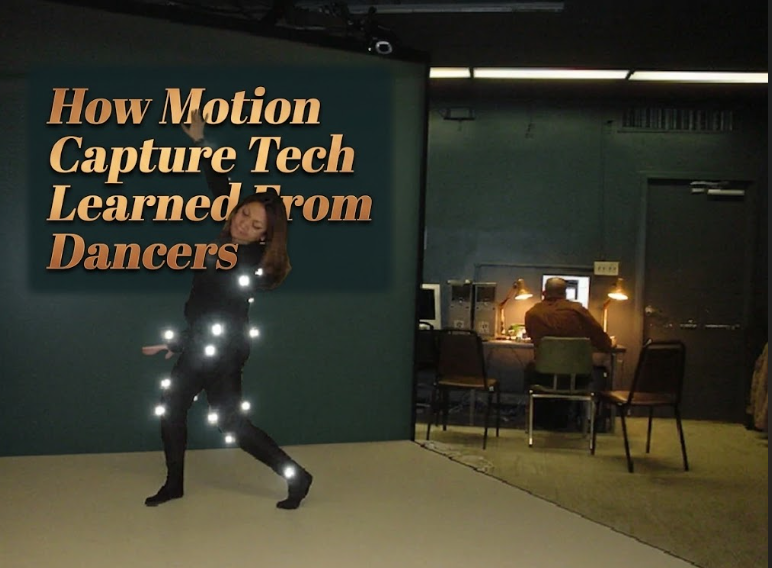
Most people assume motion capture started with movies. It didn’t. Long before anyone strapped reflective markers onto an actor for a blockbuster, choreographers and dance researchers were the ones pushing camera-based movement tracking to its limits, mostly because dancers move in ways that break every assumption a simple sensor makes about the human body. That …
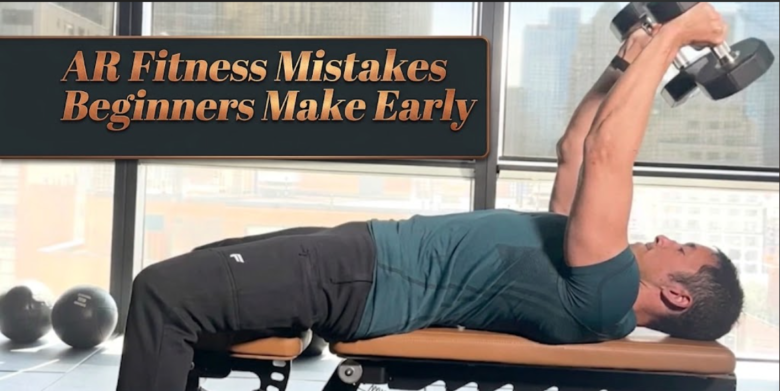
1. Skipping the Calibration Step Entirely This is the big one. Most AR fitness platforms ask you to do a short calibration at the start, standing in place, raising your arms, sometimes doing a slow squat while the camera or sensors map your proportions. People rush through it or skip it if the app allows …
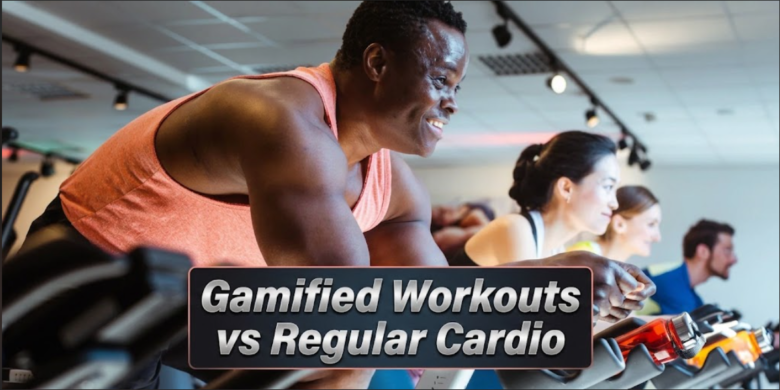
There’s a strange thing that happens in a twenty minute AR boxing session versus twenty minutes on a treadmill staring at a wall. One feels like it dragged. The other feels like it barely started before it ended. Same twenty minutes, same heart rate zone, wildly different experience of time passing. That gap is not …
A reader asked us something a few weeks ago that stuck around in our head longer than most questions do. She’d been running three miles most mornings for over a year, solid habit, no complaints, and then she tried a boxing-style AR game on a whim. Her question was simple. “Was I wasting my time …
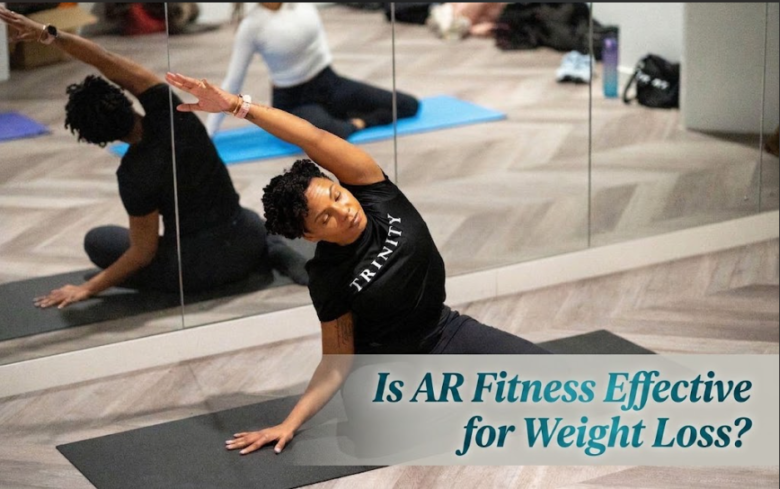
A client asked me last month why her AR boxing app said she’d burned 600 calories when her heart rate monitor, strapped to the same arm, said closer to 380. She wasn’t upset about it. She was confused, and honestly, that’s the more useful reaction. Most people using augmented reality fitness apps aren’t skeptical enough …
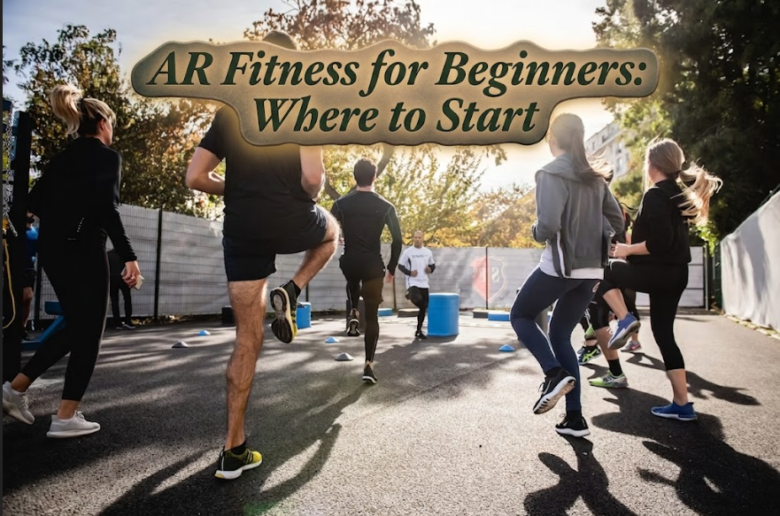
Most people who try augmented reality fitness for the first time make the same mistake. They buy the headset or the smart mirror, open the app, pick the hardest-looking workout because it looks fun in the preview clip, and quit twelve minutes in feeling dizzy, confused, or just embarrassed swinging their arms at nothing in …