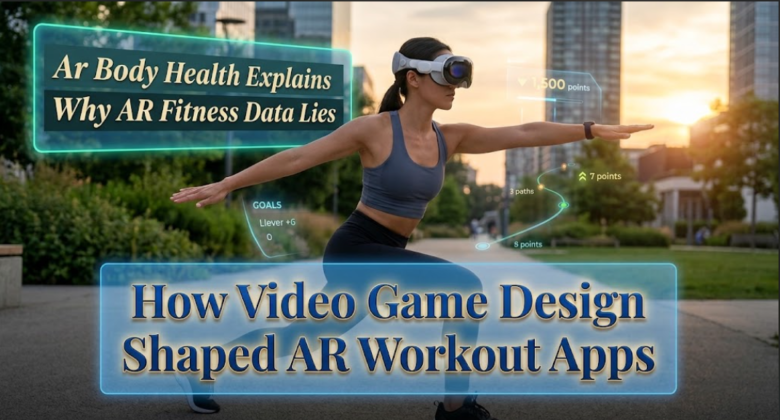
Most of the numbers your AR fitness app shows you during a workout are estimates dressed up as facts. Not fabrications, not glitches. Estimates, presented with the same visual confidence as a stopwatch, which is exactly the problem. That’s the blunt version. Here’s the longer one. 1. Calorie Counts Are the Biggest Offender Ask anyone …
Month: August 2026
I keep seeing the same claim pop up in fitness forums: take your tracker off for two weeks and your sleep magically improves. It’s treated almost like a cleanse, as if the device itself was poisoning your recovery just by sitting on your wrist. That’s not quite what’s happening, though something real does shift when …
Here’s something that surprised us going through this year’s industry research: wearable technology has landed the top spot in the American College of Sports Medicine’s annual fitness trends survey again, for what’s now becoming a familiar pattern. Not a new gadget category. Not a workout fad. The devices themselves, and more specifically what they’re doing …
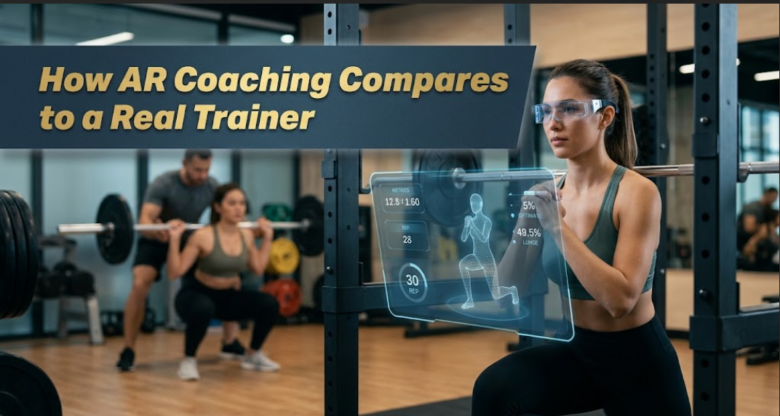
“So is this basically replacing my trainer, or not?” That question comes up constantly, usually from someone who just tried an AR fitness app for the first time and isn’t sure whether to cancel their gym membership or keep both. It’s a fair question, and the honest answer is more nuanced than either a yes …
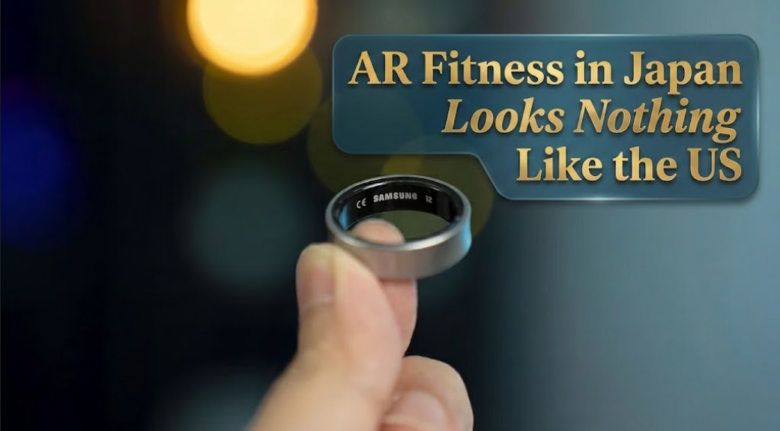
1. What Most People Get Wrong About “AR Fitness” Most people picture AR fitness as one thing: a headset, a game world, someone swinging their arms in a living room. That picture is mostly American. Walk into a fitness conversation in Tokyo and the phrase means something closer to a ring sensor, a walking rhythm, …
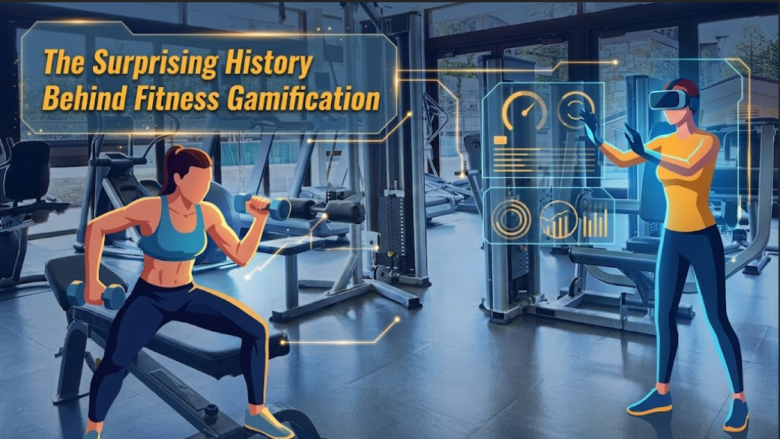
A plastic floor mat with twelve buttons. That is where most of this started, not in a Silicon Valley lab and not in a fitness studio, but on the living room carpet of a kid trying to beat a track and field game by mashing his feet as fast as possible. It looked nothing like …
Ten thousand steps a day is a marketing number. It came from a Japanese pedometer campaign in the 1960s, not from exercise science, and it has somehow outlived every other fitness metric that’s come along since. Meanwhile heart rate variability, a number most people have never even looked at on their own tracker, tells you …
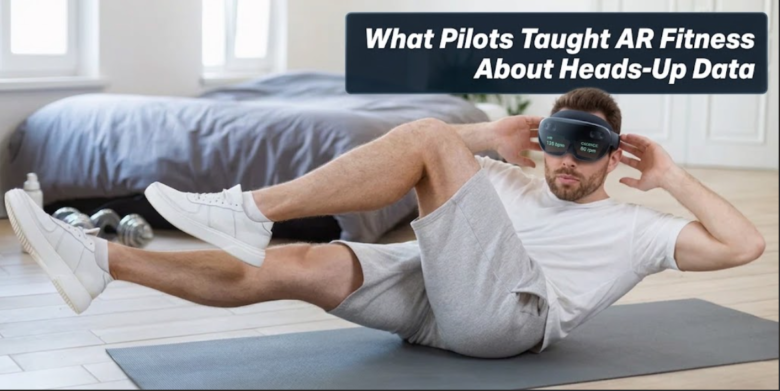
Commercial pilots have known for decades that too much information in your field of view is more dangerous than too little. The heads-up display, the technology that projects flight data directly onto the windshield so a pilot never has to look down at instruments, was designed around a strict rule: show only what’s needed for …
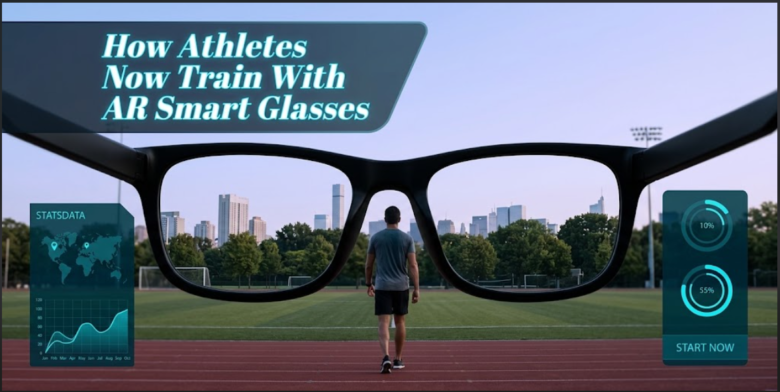
Most people assume AR training gear means a bulky headset and a cleared-out living room. That assumption is already out of date. A growing number of athletes, from amateur sprinters to semi-pro cyclists, have moved to something much smaller: AR smart glasses, worn during actual outdoor training, not just simulated indoor sessions. That shift is …
A designer working on an early motion-tracking fitness app once said something worth remembering: the hardest part wasn’t building the sensor, it was making a squat feel like it mattered. That’s a game design problem, not a fitness problem, and it explains more about why AR workouts feel the way they do than any spec …