I made the switch from a wrist tracker to a smart ring about a year into working with clients who kept asking the same question. Why does this thing on my finger cost as much as a watch but do so much less on the surface. Fair question. The honest answer took me longer to land on than I expected, because a smart ring isn’t really trying to do what a smart watch does, even though it gets compared to one constantly.
1. What a Smart Ring Actually Is
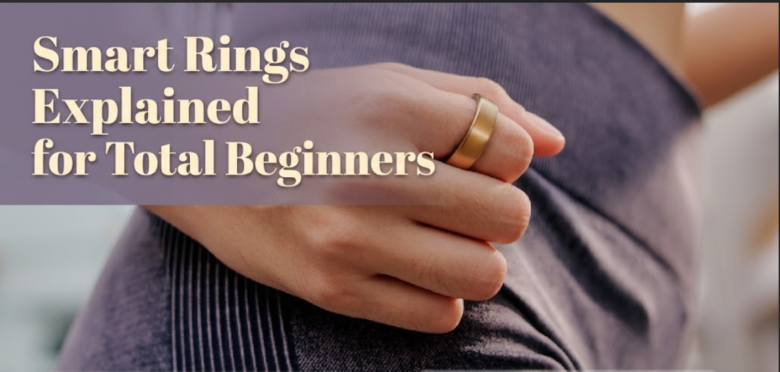
A smart ring is a small, battery-powered device worn on your finger that tracks physiological signals through sensors pressed against your skin, typically infrared LEDs for heart rate and blood oxygen, plus an accelerometer for movement and body temperature sensors in higher-end models. No screen. No buttons in most cases. All the data lives in a companion app on your phone.
That’s the core distinction people miss early on. A smart ring is not a smaller, more discreet version of a fitness watch. It’s a different category of device built around passive, continuous monitoring rather than active, in-the-moment feedback. You’re not glancing at your ring mid-workout to check your heart rate zone. You’re checking your phone afterward, or more likely the next morning, to see what your body did while you weren’t paying attention to it.
2. Why Finger Placement Actually Improves Certain Readings
Here’s something that surprises most beginners. Your finger, specifically the base of it, tends to have better blood flow and a more stable signal than your wrist for certain types of measurement. Wrist skin varies more in thickness and movement during the day, which introduces more noise into optical sensor readings. Fingers, especially at rest, give a comparatively cleaner signal for things like resting heart rate and heart rate variability overnight.
This is part of why smart rings have become popular specifically for sleep and recovery tracking, rather than as workout companions. Overnight, when you’re mostly still, the finger placement plays to its strength. During an active workout with a lot of wrist and hand movement, that same placement becomes a weakness, since a ring can shift position more easily than a snug wrist band.
| Use Case | Smart Ring | Smart Watch |
|---|---|---|
| Overnight sleep and recovery tracking | Strong | Decent, less consistent |
| Real-time workout metrics on your wrist | Not built for this | Strong, purpose built |
| Battery life | Days to a week typically | Usually one to two days |
| Discretion, all-day wearability | High, easy to forget you have it on | Lower, more visible |
| Active workout tracking accuracy | Weaker during high movement | Generally more reliable |
Neither device replaces the other well. And, if I’m being fully honest here, most of my own clients who own both end up wearing the ring daily and the watch specifically during structured sessions.
3. Setting One Up Without Wasting Your First Two Weeks
The single biggest mistake beginners make is picking the wrong ring size and living with inaccurate readings for weeks before figuring out that’s the problem. Most brands mail out a free sizing kit before you commit to the actual ring, plastic sizers you wear for a day or two to find your true fit, since finger size fluctuates with temperature, hydration, and time of day. Skip this step and you risk a ring that’s slightly loose, which throws off every optical reading it takes.
Once it fits properly, give it a genuine adjustment period. And this part matters more than people expect. Most rings need three to seven nights of consistent wear before the app’s baseline algorithms have enough data to give you meaningful recovery or readiness scores. Checking your score after night one and judging the whole device off that is a mistake we see constantly.
A few practical setup steps worth doing in order:
- Confirm your sizing with the physical sizer kit, not a guess based on your existing ring size for jewelry
- Charge fully before first wear, most rings ship at partial charge
- Wear it consistently for a full week before trusting any trend data
- Check the app’s placement guidance, some brands want the sensor facing your palm, others don’t
If you’re coming from AR-based training and wondering how a ring fits alongside that kind of setup, our piece on what equipment AR fitness actually needs is worth a read, since the two serve pretty different purposes in a routine.
4. What the Data Is Actually Good For, and What It Isn’t
Recovery and readiness scores are the flagship feature on most smart rings, and they’re genuinely useful once you stop treating them as gospel. These scores combine your overnight heart rate variability, resting heart rate, sleep duration, and sometimes body temperature into a single number meant to reflect how prepared your body is for strain that day. Low score, dial back intensity. High score, you’re generally cleared to push.
But treat it as a nudge, not a rule. I’ve had clients skip a workout they were genuinely looking forward to because a readiness score came in a few points lower than usual, when in reality a late dinner or a warm bedroom explained the whole dip. Context you know about your own day matters more than a number generated from sensors that don’t know you had two glasses of wine at a friend’s birthday dinner.
Common Mistakes Beginners Make With Smart Rings
Wearing it inconsistently is the top one. Skipping a night here and there because it’s uncomfortable, or forgetting to charge it and going a day without data, breaks the continuous baseline these devices depend on to be useful. A ring you wear four nights a week gives you a much weaker picture than one worn every single night.
The second mistake is comparing your numbers directly against someone else’s, especially a different brand’s numbers. Readiness scores and recovery metrics are calculated using proprietary formulas specific to each company, so a 75 on one brand’s app doesn’t mean the same thing as a 75 on another’s.
FAQs
Do smart rings work well for people who lift weights regularly? Heart rate accuracy during lifting is generally weaker than a chest strap, since grip and hand movement disturb the sensor. For recovery tracking between sessions, though, they perform well.
Can I shower or swim with a smart ring on? Most current models are water resistant enough for showering and swimming, though you should check the specific depth rating for your model before diving or doing water sports.
How long does the battery actually last in daily use? Most rings last four to seven days per charge with typical continuous wear, though battery life declines gradually over a year or two of use, same as any rechargeable device.
Is a smart ring worth it if I already own a fitness watch? It depends on what you’re trying to solve. If your watch already gives you solid sleep data and you’re happy with it, a ring may be redundant. If you’ve struggled to keep a watch on overnight comfortably, a ring often solves that specific gap.
Do smart rings track steps and daily activity the same way a watch does? Most track steps and general movement reasonably well, though accuracy during activities with a lot of hand motion but little actual walking, like cooking or typing, can occasionally inflate the count slightly.
Anyone weighing a ring against other wearable options might find our broader AR fitness for beginners guide useful context for how different tracking tools fit into a first few months of training.