A reader wrote in last month asking whether her new AR workout headset was actually tracking her squats correctly, because her knees felt fine but the app kept flashing warnings about her form. That question sits at the center of almost everything wrong with how smart fitness gear gets marketed right now. The tech is …

Jenny Hennig
Aeryon Ashlie is a passionate wellness entrepreneur and advocate dedicated to empowering women through holistic health. As the founder of Aeryon Wellness, she is committed to helping women make informed, sustainable choices about their health and wellbeing. At Aeryon Wellness, Aeryon combines the latest scientific research with high-quality, natural wellness supplements designed to support women throughout different stages of their health journey. Through innovative tools such as QR-code education, customers can access helpful information, nutrition guidance, and practical strategies to support long-term wellness. Aeryon believes that wellness should be accessible, trustworthy, and rooted in both science and genuine care. Her vision is to create products that women can confidently recommend to the people they love—including their daughters, sisters, and best friends. As a Canadian, woman-owned wellness brand, Aeryon Wellness represents a commitment to quality, education, empowerment, and healthier lives for women. Women Owned. Canadian. Aeryon Wellness.
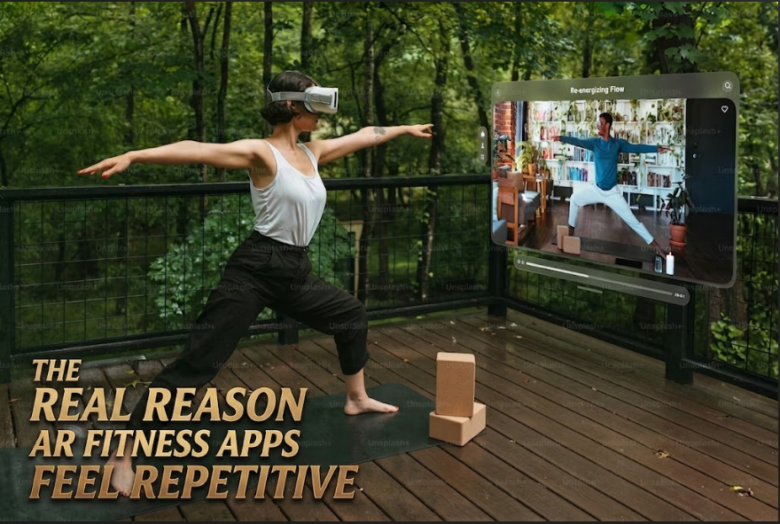
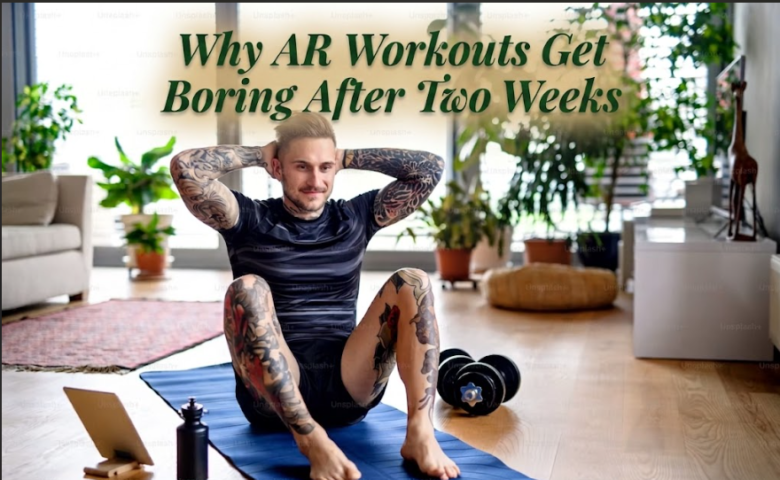
Someone asked me last week why they quit their AR boxing app after eleven days when the marketing promised it would never get boring. Fair question. The honest answer has almost nothing to do with the app itself and everything to do with how these systems are built under the hood. Most AR fitness apps …
Twenty-two days. That’s the longest streak we’ve seen self-reported in AR fitness forums before something breaks it, and it’s almost never the same something twice. If you’ve started and restarted your streak more times than you’d like to admit, you’re not dealing with a willpower problem. You’re dealing with a design problem, a scheduling problem, …
Buy a $300 tracker. Wear it for six weeks. Stop checking the app. Buy a new one next year because the old one “wasn’t working.” That cycle is more common than most people admit, and it has almost nothing to do with the hardware. Wearables are genuinely useful tools. The problem isn’t the devices themselves, …
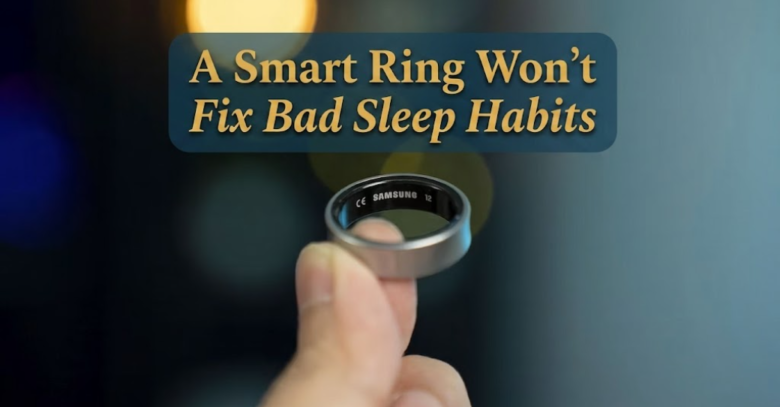
I had a reader write in last month asking which smart ring would finally “fix” her sleep. She’d already tried two. Both times, the ring showed her the same thing: low deep sleep, high resting heart rate at 2 a.m., a readiness score that never cracked 60. She wanted to know if a third ring, …
A reader wrote in a few weeks ago asking something we hear a lot: she’d bought into an AR fitness app after watching a friend rave about it, used it religiously for twelve days, and then just… stopped. Not because it stopped working. Because it stopped being interesting. She wanted to know if that was …
A friend of mine spent three weeks comparing fitness trackers before buying one. She read every review, watched the unboxing videos, checked the battery life charts. Two months later, it sat in a drawer. Not because it was a bad tracker. Because it was the wrong tracker for what she actually does with her time. …
Here’s something that surprised us when we started digging into customer feedback last year. The women who complained most about poor sleep weren’t the ones with the fewest tools. They were the ones with the most. Smart ring, smartwatch, a phone app tracking screen time, another tracking room temperature. Four data sources, one increasingly anxious …
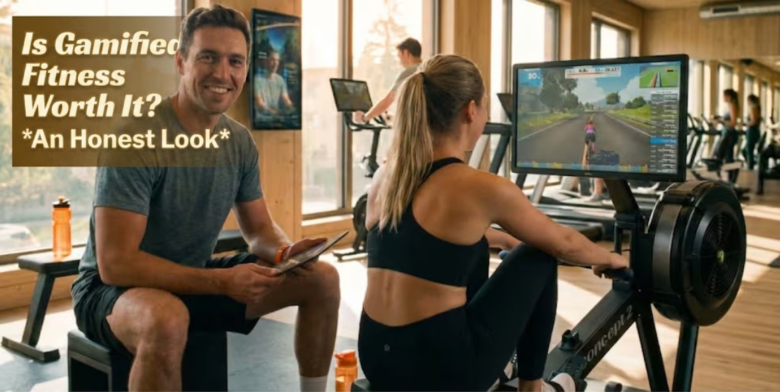
Most gamified fitness gear ends up in a closet within four months. That’s not a guess, it’s the pattern anyone who’s worked with clients trying this stuff has watched play out over and over. The question worth asking isn’t whether gamified fitness works. It clearly can. The real question is whether it’s worth it for …
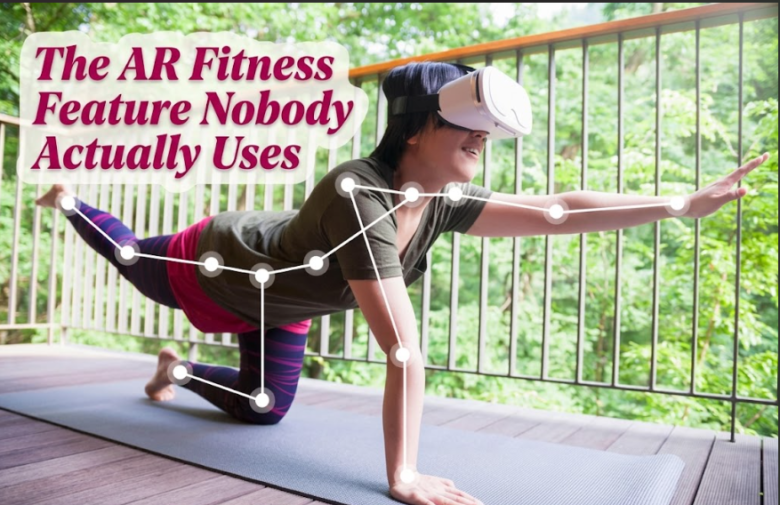
Rep counting gets all the attention. So does calorie tracking, streak counters, avatar customization, all the stuff that shows up in the app store screenshots. Meanwhile there’s a feature sitting in nearly every major AR fitness platform that almost nobody touches, and it’s arguably more useful than half the flashy stuff surrounding it: post-session movement …