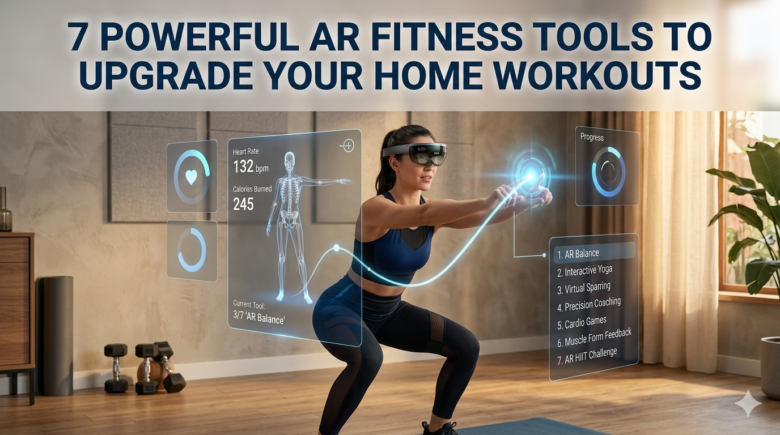
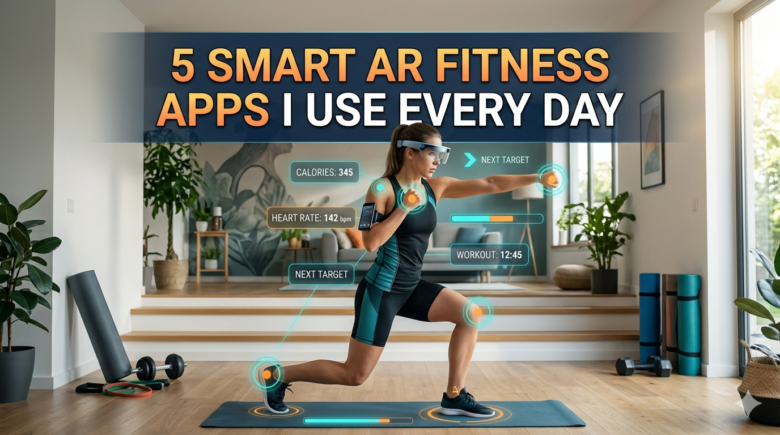
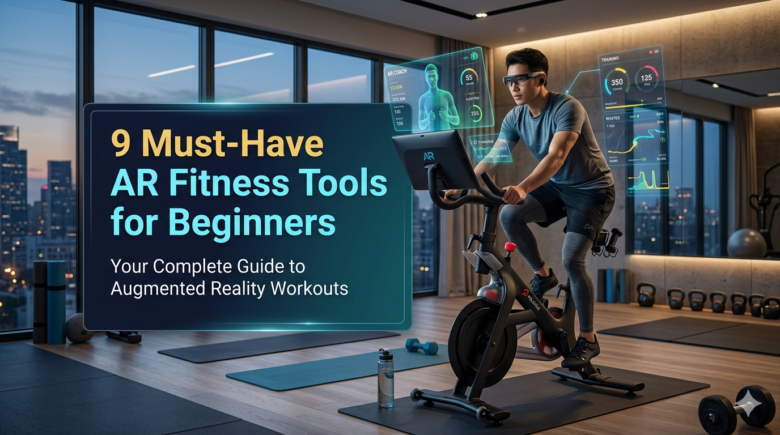
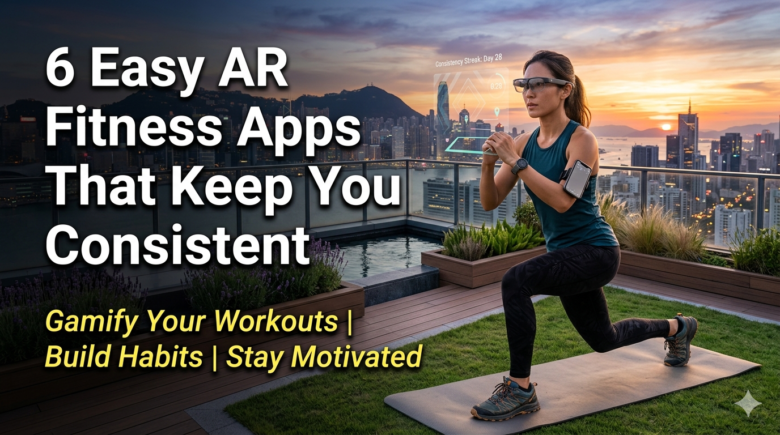
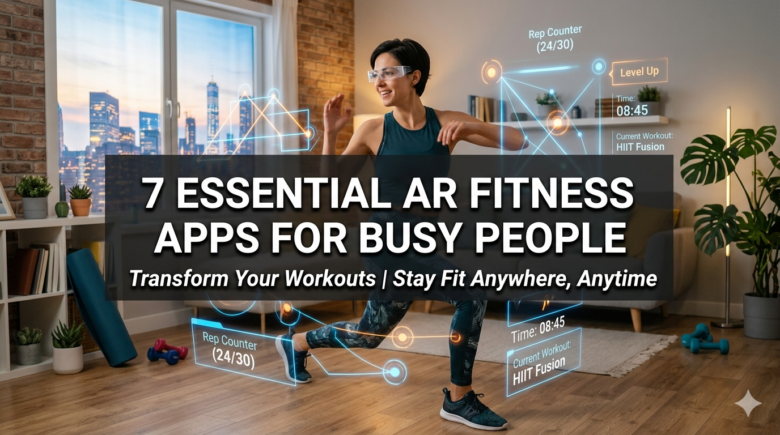
The idea of exercising alongside digital objects floating in your living room used to sound like science fiction. In 2026, it’s just… Tuesday. Augmented reality (AR) has quietly reshaped how people train, making workouts more interactive, measurable, and—most importantly—less boring. Instead of staring at a timer or following a flat video, AR fitness apps overlay …
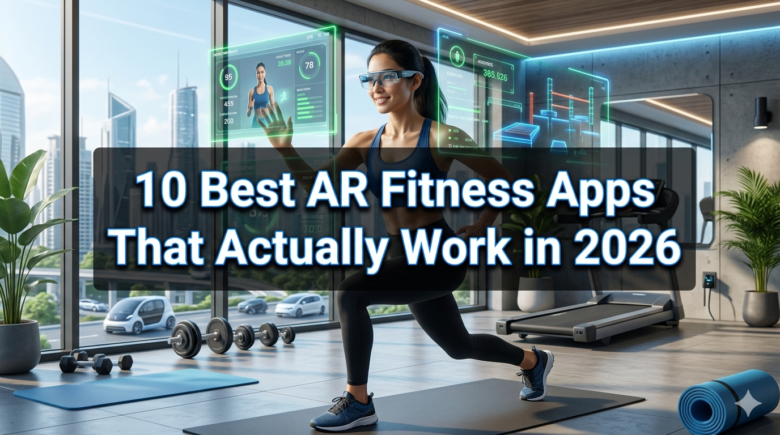
The idea of working out at home used to mean repeating the same routines with minimal feedback. Today, augmented reality (AR) is quietly reshaping that experience. Instead of staring at a timer or a static video, you can now interact with virtual trainers, track form in real time, and even gamify your workouts in your …
Introduction A few years ago, my workouts were the same every week: repetitive gym routines, occasional treadmill runs, and a lot of skipped days in between. The problem wasn’t motivation at the start—it was boredom. I needed something that felt interactive, something that made movement feel less like a chore. That’s when I started experimenting …
The first time I tried an augmented reality workout, it felt oddly futuristic—like stepping into a video game where my body was the controller. No gym intimidation, no confusion about form, just clear, interactive guidance floating right in front of me. That’s the promise of augmented reality (AR) fitness: turning everyday spaces into dynamic training …
Sticking to a workout routine is rarely about knowing what to do. Most people already understand the basics: move more, sit less, stay active. The real challenge is consistency. Motivation fades, schedules get messy, and workouts start to feel repetitive. This is where augmented reality (AR) fitness apps quietly change the game. AR blends the …
If you’ve spent any time exploring fitness trends lately, you’ve probably noticed how augmented reality (AR) has quietly slipped into workouts. Not in a flashy, overhyped way—but in subtle tools that change how you move, track, and stay consistent. While most people know about mainstream fitness apps, there’s a quieter layer of AR tools that …
There was a time when working out meant either going to a gym or following a routine from a static video. That world is fading quickly. Augmented reality (AR) fitness apps have quietly reshaped how people move, sweat, and stay consistent. Instead of watching a screen passively, users now interact with their environment—dodging virtual obstacles, …
The first time I tried an augmented reality workout, it didn’t feel like exercise. It felt like stepping into a strange hybrid between a game and a mirror that knew too much about my posture. Instead of staring at a wall or following a dull routine, I was reacting—to floating cues, virtual coaches, and real-time …
The fitness world has quietly undergone a shift. Not the loud kind driven by gym chains or flashy equipment, but something subtler—something happening right inside our phones and living rooms. Augmented reality (AR) has stepped into fitness, not as a gimmick, but as a practical tool that blends digital coaching with physical movement. What makes …
There’s a quiet shift happening in fitness—and if you’re someone constantly juggling deadlines, errands, and personal commitments, you’ve probably felt it. Traditional gym routines don’t always fit into modern schedules anymore. That’s where augmented reality (AR) fitness apps come in, blending movement with immersive digital layers that make workouts faster, more engaging, and surprisingly efficient. …