Last year, I made a $340 mistake.
I bought an AR fitness headset based on a YouTube review that turned out to be a sponsored video dressed up as honest feedback. The reviewer never mentioned the motion sickness issues, the clunky app ecosystem, or the fact that the battery dies after 45 minutes of actual movement. I found all of that out myself — the hard way — after the return window closed.
That experience sent me down a rabbit hole. I spent the next several months testing, comparing, and actually sweating through different AR fitness gear setups. I talked to other users in forums, tried gear at pop-up demo stations, and read through hundreds of community reviews on Reddit and dedicated fitness tech boards.
What I found? Most gear reviews online are either too shallow, too sponsored, or written by someone who unboxed the device and called it a day. Real AR fitness gear needs to be tested mid-workout — when you’re breathing hard, your hands are sweaty, and you actually need the tech to hold up.
So here are five AR fitness gear reviews that are genuinely worth your time before you pull out your card.
1. Meta Quest 3 (for AR Fitness Apps) — The One Most People Should Start With
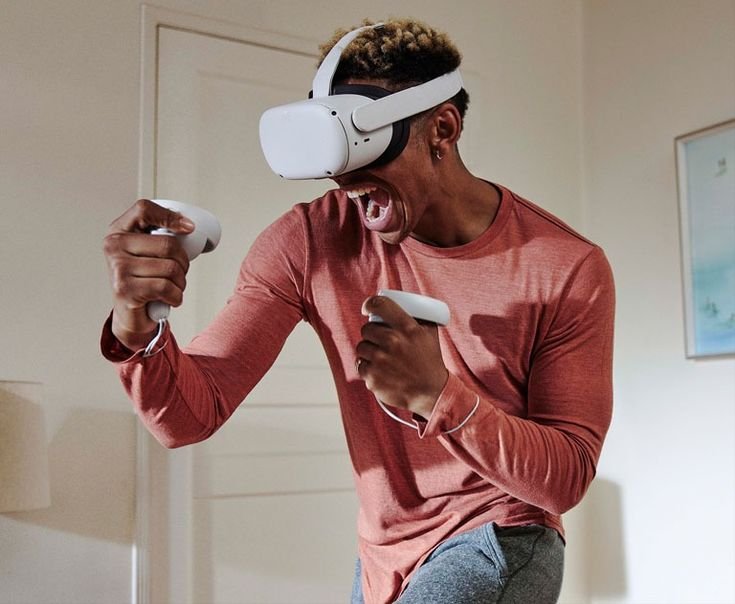
Let me be upfront: the Meta Quest 3 isn’t exclusively a fitness device. But in 2025–2026, it’s become the most versatile and widely supported AR/VR fitness platform you can buy, and that matters enormously.
I’ve used it with FitXR, Supernatural, Holofit, and Les Mills Body Combat VR — and the experience across all of them is genuinely impressive. The mixed reality (MR) passthrough feature means you can overlay AR elements onto your real room, so you’re not completely blind to your surroundings while doing lunges near your coffee table.
What works really well:
The display clarity is a massive upgrade from the Quest 2. When AR coaching arrows or form-correction overlays appear on screen, they’re actually readable — not blurry smudges. The standalone design (no wires, no PC required) means you can move freely in a way that wired setups simply can’t match.
Battery life sits around 2–2.5 hours under mixed reality workout conditions. That’s genuinely enough for most sessions, though heavy users will want the Bobo VR M3 Pro battery strap as an add-on (adds another 2+ hours and balances the headset much better on your head during high-movement sessions).
What people don’t tell you:
The facial interface that comes in the box gets disgusting fast. Sweat soaks into it during a single vigorous session. Grab the silicone face gasket replacement (around $20–$25 on Amazon) before your first workout. Your future self will thank you.
Also, the default head strap is flimsy for fitness. It slides during jumping jacks and anything with significant head movement. The elite strap or the third-party Bobo strap I mentioned above fixes this.
Verdict snapshot:
| Feature | Rating (out of 5) |
|---|---|
| Display quality | ⭐⭐⭐⭐⭐ |
| App ecosystem for fitness | ⭐⭐⭐⭐⭐ |
| Comfort (stock setup) | ⭐⭐⭐ |
| Comfort (with upgrades) | ⭐⭐⭐⭐⭐ |
| Battery life | ⭐⭐⭐⭐ |
| Value for money | ⭐⭐⭐⭐ |
Who it’s for: Anyone serious about AR/VR fitness who wants access to the widest range of apps. Budget around $500–$550 total once you add the essential fitness accessories.
2. Apple Vision Pro — Incredible Tech, Wrong Tool for Most Fitness Goals
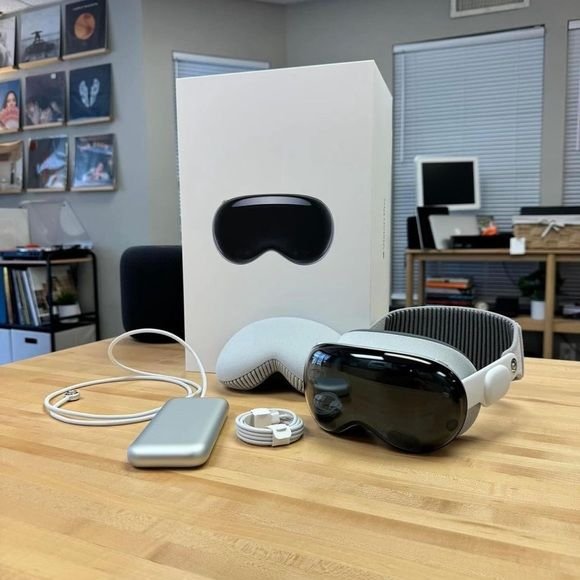
I know, I know. Everyone wants to talk about the Vision Pro. And yes, I’ve tried it in a fitness context — both at an Apple demo session and through a friend who owns one.
Here’s my honest take: as a fitness device, it’s not there yet — and the $3,499 price tag makes that a very expensive compromise.
The display is extraordinary. The spatial computing is genuinely mind-blowing. But the Vision Pro weighs significantly more than a Quest 3, and that weight is front-loaded onto your face. After about 20–25 minutes of active movement, the pressure and weight become noticeable in a way that’s genuinely distracting during exercise.
The fitness app ecosystem is also thin compared to Meta’s platform. Workout+ is solid but limited in AR integration. There’s no equivalent to Supernatural or FitXR on the platform yet. You’re paying for technology that’s ahead of its time in hardware, but the fitness software hasn’t caught up.
Where it actually shines for fitness:
Yoga, stretching, and meditation apps. Low-movement, focused sessions where the display quality and spatial audio create an immersion that’s hard to describe. If your fitness goals include mindfulness, flexibility, or recovery work, the Vision Pro delivers something special.
The dealbreaker for most people:
Beyond price, the external battery pack design means you always have a cable running to your pocket during workouts. It’s manageable for stationary sessions. It’s annoying for anything dynamic.
If you have the budget and primarily use fitness tech for recovery, breathwork, or gentle movement — it’s worth considering. For cardio, HIIT, or boxing workouts? The Meta Quest 3 wins at a fraction of the cost.
For a breakdown of how different AR fitness tools compare across price points, 11 Smart AR Fitness Budget Gear Picks That Work in 2025 has some really useful real-world comparisons.
3. Liteboxer VR — The Best AR Fitness Experience You’ve Probably Never Heard Of
This one surprised me the most.
Liteboxer started as a physical at-home boxing platform — an actual punching target with rhythm-based LED lights. Their VR expansion takes that same concept and builds a full AR boxing experience around it, with virtual opponents, real-time punch tracking, and coaching overlays that tell you where your technique is breaking down.
I tried a friend’s setup for three sessions before writing this, because one session wasn’t enough to form a fair opinion.
Session one: I was overwhelmed and slightly motion-sick for the first 15 minutes. Didn’t land half my punches correctly because I wasn’t used to the timing system.
Session two: It clicked. The rhythm-based structure started to feel natural, and my punch accuracy went from around 60% to 82% within 45 minutes.
Session three: I was genuinely tired — in the best possible way — and my shoulders and core were worked in a way that purely cardio AR apps never quite achieve.
The platform works on Meta Quest 2 and Quest 3. The app is subscription-based (around $19/month), which adds up — but the quality of the structured workout programs justifies it if boxing-style training appeals to you.
What to know before buying:
You need space. At least 7×7 feet of clear area. Liteboxer is not a sit-down or small-space solution. I’ve seen people frustrated in reviews because they didn’t account for this.
Also, if you pair it with actual light resistance gloves (around 1–2 lbs each), the calorie burn and muscle engagement increase noticeably. Not too heavy — you want to maintain speed and avoid straining your wrists.
Verdict snapshot:
| Feature | Rating (out of 5) |
|---|---|
| Workout intensity | ⭐⭐⭐⭐⭐ |
| Fun factor | ⭐⭐⭐⭐⭐ |
| Learning curve | ⭐⭐⭐ |
| Space requirement | Needs 7×7 ft minimum |
| Subscription value | ⭐⭐⭐⭐ |
| Overall recommendation | ⭐⭐⭐⭐⭐ |
Who it’s for: People who want a real workout — not just a game — and enjoy rhythm-based, high-energy training styles.
4. Garmin Forerunner 965 (as an AR Fitness Companion) — Don’t Overlook Real Wearables
Here’s a slightly different take: not all essential AR fitness gear has a screen you strap to your face.
The Garmin Forerunner 965 is a premium GPS running and multisport watch that integrates beautifully with multiple AR fitness platforms as a heart rate and biometric data source. When you’re working out in a headset, you can’t see a watch — but the data syncs automatically after your session, giving you a complete picture of what your body actually went through.
I started pairing mine with Holofit about four months ago, and the difference in understanding my training load has been significant. Holofit’s in-app calorie estimates were consistently off by 15–20% compared to what the Garmin was recording via actual heart rate data. That’s a meaningful gap if you’re tracking fitness goals seriously.
What makes the 965 specifically good for AR fitness users:
- Training Readiness Score — Tells you before a session whether your body is recovered enough for high intensity. I’ve avoided two potential overtraining situations because of this feature alone.
- Sleep and HRV tracking — Relevant when you’re pushing hard in VR sessions regularly
- Music storage — Lets you run audio through the watch during mixed sessions where you’re not using app-based audio
The watch runs around $599–$649, so it’s not cheap. But if you’re serious about fitness results (not just the experience), having accurate biometric data feeding your AR sessions changes everything.
For people on a tighter budget, the Garmin Forerunner 255 or Polar Pacer Pro offer similar heart rate integration at a lower price point.
If you’re building out a full home AR fitness setup, 7 Powerful AR Fitness Tools to Upgrade Your Home Workouts has a good list of gear that works across different budget ranges.
Verdict snapshot:
| Feature | Rating (out of 5) |
|---|---|
| Heart rate accuracy | ⭐⭐⭐⭐⭐ |
| AR app integration | ⭐⭐⭐⭐ |
| Battery life | ⭐⭐⭐⭐⭐ |
| Build quality | ⭐⭐⭐⭐⭐ |
| Value for dedicated AR fitness users | ⭐⭐⭐⭐ |
5. Holofit by Holodia — The Most Underrated AR Rowing and Cycling Experience
If you already own a rowing machine, stationary bike, or elliptical at home, Holofit might be the most impactful AR fitness upgrade you can make — and it works with the Meta Quest headsets you might already own.
The concept is simple but incredibly effective: Holofit overlays immersive AR environments onto your real cardio equipment session. You’re rowing through Nordic fjords, cycling through futuristic cityscapes, or kayaking through tropical islands — while your actual body is on your actual machine in your actual living room.
I used this on a basic Concept2 rowing machine for six weeks. Before Holofit, I could manage about 20 minutes on the rower before boredom made me quit. With Holofit, I was regularly hitting 35–40 minute sessions without checking the time once.
That’s the power of immersive AR for steady-state cardio. It doesn’t make rowing easier physically — it makes it easier mentally, which is often the bigger barrier.
The honest limitations:
Holofit requires a compatible cardio machine and a Meta Quest headset. The app ($14.99/month or around $99/year) is a subscription. And the environments, while beautiful, don’t change the actual workout programming — you’re still just rowing or cycling at whatever intensity you choose.
It’s not a personal trainer. It won’t correct your form. It won’t adjust resistance automatically (unless your machine has Bluetooth integration, which some newer models support). It’s an immersive environment — nothing more, nothing less.
But as a tool for getting consistent cardio sessions done on equipment you already own? It’s one of the best dollars-per-motivation investments in AR fitness right now.
Compatible equipment includes: Concept2 Rower, WaterRower, most Bluetooth-enabled stationary bikes, NordicTrack ellipticals, and several others. Always check the Holodia compatibility page before buying.
Verdict snapshot:
| Feature | Rating (out of 5) |
|---|---|
| Immersion quality | ⭐⭐⭐⭐⭐ |
| Motivation impact | ⭐⭐⭐⭐⭐ |
| Form coaching | ⭐ (not its purpose) |
| Equipment compatibility | ⭐⭐⭐⭐ |
| Subscription value | ⭐⭐⭐⭐⭐ |
| Ease of setup | ⭐⭐⭐⭐ |
Who it’s for: Anyone with a rowing machine, bike, or elliptical who struggles to stay consistent with cardio. Game-changer for boring equipment.
Quick Comparison: All 5 at a Glance
| Gear | Best For | Price Range | Fitness App Ecosystem |
|---|---|---|---|
| Meta Quest 3 | All-around AR fitness | $499 + accessories | Excellent |
| Apple Vision Pro | Mindfulness, yoga, recovery | $3,499 | Limited |
| Liteboxer VR | Boxing, HIIT, rhythm training | App $19/mo | Focused |
| Garmin Forerunner 965 | Biometric data, training load | $599–$649 | Integration |
| Holofit (Holodia) | Cardio equipment immersion | $14.99/mo | Specialized |
Mistakes to Avoid When Shopping for AR Fitness Gear
Before you hit buy, a few lessons I wish someone had shared with me:
Don’t buy based on display specs alone. The best-looking headset is useless if it’s uncomfortable after 15 minutes of movement. Always prioritize fit and weight balance for fitness use cases.
Check the app ecosystem before the hardware. The apps are where you spend your time. If the headset you want doesn’t have the fitness apps you need, the hardware doesn’t matter.
Factor in accessories from the start. The “entry price” for most AR fitness headsets is misleading. Add the fitness face gasket, upgraded head strap, and protective case — your real cost is 20–30% higher than the box price.
Read community reviews, not just press reviews. Reddit’s r/OculusQuest, r/VRFitness, and dedicated Discord servers for apps like Supernatural give you honest, unfiltered feedback from real daily users.
Consider your space before anything else. Several of these experiences require 6×6 to 7×7 feet of clear space. Measure first. Seriously.
For those just getting started and figuring out which direction to go, 8 Buying Tips for AR Fitness That Actually Work in 2026 is a solid resource to bookmark before making any purchase decision.
Final Thoughts
AR fitness gear is genuinely exciting — but it’s also a space where marketing tends to outpace reality. The five pieces of gear reviewed here all have real strengths, real limitations, and real contexts where they shine.
The Meta Quest 3 is where most people should start. Holofit is the best add-on if you have cardio equipment gathering dust. Liteboxer is for people who want to genuinely work hard. The Garmin is for data-driven fitness people who want the full picture. And the Vision Pro — for most people, most fitness goals — can wait.
Take your time. Test what you can before buying. And don’t trust a review that doesn’t mention a single downside.