Augmented Reality (AR) fitness gear has quickly moved from experimental tech to mainstream wellness tools. Smart mirrors, AR glasses, motion-tracking systems, and immersive fitness platforms are now competing for space in home gyms. But behind the flashy marketing and futuristic demos, real-world performance is what actually matters.
Many people expect AR fitness gear to instantly transform workouts into something effortless and perfectly guided. The reality is more nuanced. Some devices genuinely improve motivation and form, while others struggle with tracking accuracy, setup complexity, or limited content libraries.
This article takes a grounded look at 7 popular AR fitness gear categories, breaking down what works, what doesn’t, and what you should realistically expect before buying.
- Smart Fitness Mirrors (Overall Experience Review)
Smart fitness mirrors are one of the most recognizable AR fitness tools. At first glance, they look like sleek wall mirrors, but once activated, they turn into interactive workout screens with virtual trainers and real-time feedback.
These systems use built-in cameras and sensors to track movement and overlay corrections directly on your reflection.
What works well:
- Real-time posture feedback
- Structured workout programs
- Clean, space-saving design
- Strong beginner-friendly guidance
What doesn’t:
- Expensive upfront cost
- Requires stable internet connection
- Limited advanced strength training depth
Informational Table: Smart Mirror Performance
| Category | Rating (Out of 5) | Notes |
|---|---|---|
| Ease of use | 4.5 | Very beginner-friendly |
| Accuracy | 4.0 | Good but not perfect |
| Content variety | 3.5 | Limited advanced routines |
| Value for money | 3.0 | High initial cost |
Chart: User Satisfaction Trend
| Experience Factor | Satisfaction Level |
|---|---|
| Motivation boost | High |
| Long-term engagement | Medium |
| Workout variety | Medium |
| Technical reliability | High |
Smart mirrors are best suited for users who want structure and guidance without going to a gym.
- AR Fitness Smart Glasses (Immersive Training Review)
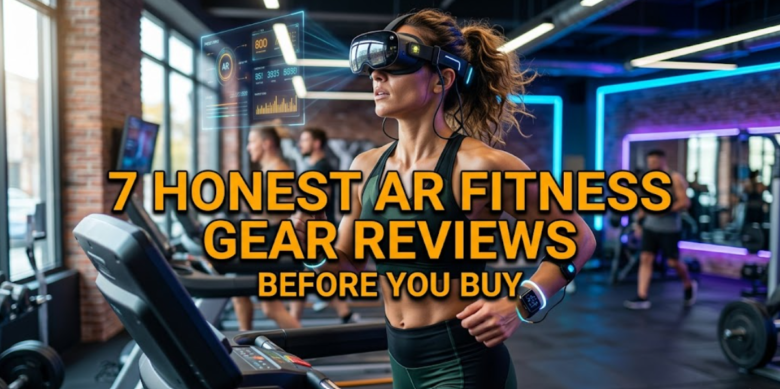
AR smart glasses represent the most futuristic category of fitness gear. Instead of looking at a screen, workouts are projected directly into your field of vision.
You might see:
- Virtual trainers guiding your movement
- Real-time rep counting
- Directional arrows for form correction
What works well:
- Hands-free experience
- High immersion level
- Natural workout flow
- Strong potential for future upgrades
What doesn’t:
- Limited current fitness apps
- Expensive and still developing tech
- Battery life limitations
- Can feel bulky for long sessions
Informational Table: Smart Glasses Review
| Feature | Performance |
|---|---|
| Immersion | Excellent |
| Comfort | Moderate |
| Battery life | Below average |
| Fitness content | Limited |
Chart: Immersion vs Practicality
| Device Type | Immersion | Practical Use |
|---|---|---|
| Smartphone apps | Low | High |
| Smart mirrors | Medium | High |
| AR glasses | Very High | Medium |
Smart glasses are promising but still feel like early-stage technology rather than fully mature fitness tools.
- AR Fitness Mobile Apps (Most Accessible Option)
Mobile AR fitness apps are the most widely used entry point into AR workouts. They turn your phone into a motion-tracking device that overlays fitness instructions into your real environment.
These apps often include:
- Bodyweight training
- Movement-based games
- Virtual coaching overlays
What works well:
- No extra equipment needed
- Easy setup
- Affordable or free options
- Good for beginners
What doesn’t:
- Limited tracking accuracy
- Small screen experience
- Reduced immersion compared to wearables
Informational Table: Mobile AR App Review
| Category | Rating |
|---|---|
| Accessibility | 5.0 |
| Accuracy | 3.5 |
| Engagement | 4.0 |
| Advanced training | 2.5 |
Chart: Usage Preference
| User Type | Preferred Tool |
|---|---|
| Beginners | Mobile AR apps |
| Intermediate | Smart mirrors |
| Advanced | Glasses + systems |
Mobile AR apps are best viewed as a starting point rather than a long-term fitness solution.
- AR Fitness Bikes (Indoor Cardio Review)
AR-enabled stationary bikes combine traditional cycling with immersive virtual environments. Instead of watching a static screen, users ride through simulated landscapes such as mountains, cities, or fantasy worlds.
What works well:
- Makes cardio less boring
- Tracks performance metrics
- Engaging virtual environments
- Good for endurance training
What doesn’t:
- Requires additional equipment
- Subscription costs for content
- Limited strength training use
Informational Table: AR Bike Performance
| Feature | Evaluation |
|---|---|
| Immersion | High |
| Cardio effectiveness | Very High |
| Strength training | Low |
| Setup complexity | Medium |
Chart: Motivation During Cardio
| Setup Type | Motivation Level |
|---|---|
| Standard treadmill | Low |
| Music + TV | Medium |
| AR cycling environments | High |
AR bikes are particularly effective for users who struggle with cardio consistency.
- AR Boxing and Combat Fitness Gear
AR boxing systems use motion tracking sensors or cameras to analyze punches, stance, and reaction speed. Some systems also simulate opponents or targets in real-time.
What works well:
- High-energy workouts
- Good stress relief
- Real-time punch tracking
- Engaging gameplay-style training
What doesn’t:
- Requires space for movement
- Limited strength training variety
- Accuracy depends on camera setup
Informational Table: AR Combat Fitness
| Feature | Rating |
|---|---|
| Engagement | 5.0 |
| Accuracy | 4.0 |
| Space requirement | High |
| Equipment need | Medium |
Chart: Workout Intensity Comparison
| Activity Type | Intensity Level |
|---|---|
| Walking | Low |
| AR boxing | Very High |
| Gym weightlifting | High |
This category is ideal for users who prefer dynamic, high-intensity workouts.
- AR Yoga and Mobility Systems
AR yoga systems focus on posture correction and guided movement. Virtual instructors demonstrate poses while sensors analyze alignment.
What works well:
- Excellent for beginners
- Improves posture awareness
- Low-impact and safe
- Helpful breathing guidance
What doesn’t:
- Limited strength development
- Requires calm environment
- Can feel repetitive over time
Informational Table: AR Yoga Review
| Feature | Evaluation |
|---|---|
| Flexibility training | High |
| Stress reduction | High |
| Strength building | Low |
| Engagement | Medium |
Chart: Yoga Learning Effectiveness
| Method | Learning Speed |
|---|---|
| Video tutorials | Medium |
| In-person instructor | High |
| AR yoga system | High |
AR yoga systems are particularly useful for users who want structured flexibility training at home.
- Full AR Fitness Ecosystems (All-in-One Platforms)
Some companies now offer complete AR fitness ecosystems that combine mirrors, apps, sensors, and wearables into one system.
These setups provide:
- Unified tracking
- Cross-device syncing
- Personalized coaching
- Full-body analysis
What works well:
- Highly integrated experience
- Strong data tracking
- Personalized training
- Scalable difficulty
What doesn’t:
- Very expensive
- Requires multiple devices
- Complex setup
Informational Table: Ecosystem Review
| Feature | Rating |
|---|---|
| Integration | 5.0 |
| Cost efficiency | 2.5 |
| Accuracy | 4.5 |
| Convenience | 3.5 |
Chart: System Complexity vs Benefit
| System Type | Complexity | Benefit |
|---|---|---|
| Single app | Low | Medium |
| Smart device | Medium | High |
| Full ecosystem | High | Very High |
These systems are best suited for serious fitness enthusiasts or tech-heavy home gyms.
Overall Comparison of AR Fitness Gear
Informational Table: Final Comparison
| Gear Type | Best For | Weakness |
|---|---|---|
| Smart mirrors | Structured training | Cost |
| AR glasses | Immersion | Early-stage tech |
| Mobile apps | Beginners | Limited accuracy |
| AR bikes | Cardio lovers | Cost + subscription |
| Boxing systems | High intensity | Space requirement |
| Yoga systems | Flexibility | Limited strength |
| Ecosystems | Full integration | Complexity |
Key Buying Insights
Before purchasing AR fitness gear, consider:
- Your fitness goals (cardio, strength, flexibility)
- Available space
- Budget range
- Level of tech comfort
- Long-term usage consistency
A common mistake is buying advanced AR systems without matching them to actual fitness needs.
Future of AR Fitness Gear
The next generation of AR fitness gear is expected to include:
- Fully wireless AR glasses
- AI-driven adaptive training systems
- Wearable biometric clothing
- Real-time injury prevention feedback
- Fully immersive shared workout worlds
These developments will make current systems feel basic in comparison.
FAQs
- Is AR fitness gear worth buying right now?
Yes, but it depends on your goals. Beginners benefit most from apps and mirrors, while advanced users may prefer ecosystems. - What is the most beginner-friendly AR fitness gear?
Mobile AR fitness apps and smart mirrors are the easiest entry points. - Do AR fitness devices replace gyms completely?
Not fully, but they can replace most home workout needs effectively. - Are AR fitness systems accurate?
They are fairly accurate, but smart mirrors and ecosystems tend to perform better than mobile-only apps. - What is the biggest downside of AR fitness gear?
High cost and varying levels of tracking accuracy depending on the device. - Will AR fitness improve in the future?
Yes, especially with improvements in AI tracking, wearable sensors, and immersive AR environments.