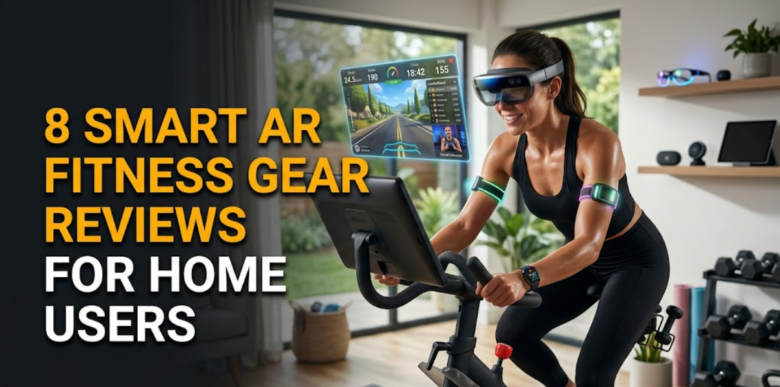
Home fitness has changed dramatically in the last few years. What used to be simple yoga mats, dumbbells, and YouTube videos has evolved into interactive systems that can coach, correct, and even gamify your workouts in real time. At the center of this shift is augmented reality (AR) fitness gear.
Unlike traditional fitness equipment, AR fitness gear doesn’t just track your activity—it transforms your environment into a responsive training space. Your living room can become a gym, a studio, or even a virtual outdoor trail. The experience feels more like interaction than instruction.
This article breaks down 8 smart AR fitness gear options for home users, how they work, what they do well, and where they fall short. It also includes comparisons, tables, and practical insights so you can understand what actually matters before investing.
how AR fitness gear is reshaping home workouts
AR fitness gear combines cameras, sensors, AI, and immersive visuals to create real-time training environments. Instead of guessing your form or following a static video, you get live feedback layered onto your movements.
Key advantages include:
- instant posture correction
- interactive coaching
- reduced injury risk
- higher motivation through gamification
Table: traditional vs AR home fitness experience
| Feature | Traditional Home Workout | AR Fitness Gear |
|---|---|---|
| Coaching | Pre-recorded videos | Real-time AI guidance |
| Feedback | Delayed or none | Instant correction |
| Engagement | Medium | High |
| Equipment dependency | Low | Medium–High |
| Personalization | Limited | Adaptive |
Research and industry reports show that smart mirrors, wearables, and AR-based systems are increasingly replacing basic home workout setups because of better engagement and tracking accuracy .
- smart AR fitness mirrors
Smart mirrors are one of the most popular AR fitness devices for home users. These sleek wall-mounted screens double as mirrors and interactive workout stations.
They provide:
- live workout classes
- AI form correction
- real-time performance metrics
- personalized training programs
Some systems even adjust workouts based on your progress or fatigue levels.
Table: smart AR mirror strengths vs limitations
| Category | Strengths | Limitations |
|---|---|---|
| Experience | Immersive studio feel | High cost |
| Feedback | Real-time correction | Subscription required |
| Space use | Wall-mounted, compact | Needs fixed installation |
Smart mirrors are widely considered one of the most complete AR home fitness solutions because they combine coaching, tracking, and interactivity in one device .
- AR fitness wearables (smart bands & sensors)
Wearable AR fitness gear doesn’t project visuals into your room but works alongside AR apps to enhance accuracy.
These devices track:
- heart rate
- calorie burn
- movement quality
- recovery patterns
When synced with AR systems, they improve training personalization.
Table: wearable AR integration benefits
| Metric | Standalone Wearable | Wearable + AR System |
|---|---|---|
| Accuracy | High | Very high |
| Coaching feedback | None | Real-time adaptive |
| Training personalization | Basic | Advanced |
Wearables are essential because they act as the “body data layer” for AR fitness systems.
- AR smart resistance training systems
These systems replace traditional dumbbells or weight stacks with digital resistance platforms.
Features include:
- adaptive weight adjustment
- AI-driven workout suggestions
- rep counting and correction
- guided strength routines
They are especially useful for small home spaces where bulky equipment is not practical.
Table: traditional weights vs AR resistance systems
| Feature | Dumbbells | AR Resistance Gear |
|---|---|---|
| Space required | High | Low |
| Adjustability | Manual | Automatic |
| Tracking | None | Built-in |
| Coaching | None | AI-guided |
Connected fitness systems like these are part of the broader shift toward AI-powered home gyms .
- AR cardio machines for home
AR cardio equipment includes treadmills, bikes, and rowers that integrate immersive environments.
Instead of staring at a wall or screen, you experience:
- virtual outdoor routes
- racing simulations
- interactive terrain changes
Table: cardio experience comparison
| Feature | Standard Cardio Machine | AR Cardio Gear |
|---|---|---|
| Engagement | Low–medium | High |
| Motivation | Self-driven | Game-like |
| Environment | Static | Dynamic virtual world |
This kind of immersive experience significantly improves workout consistency because boredom is reduced.
- AR fitness mirrors with AI coaching
While similar to smart mirrors, AI-enhanced versions go deeper into performance analysis.
They provide:
- skeletal tracking
- posture scoring
- movement breakdowns
- correction overlays
This makes them feel like having a trainer watching every rep.
Some advanced models even integrate predictive health insights based on movement patterns and activity trends .
- AR motion tracking cameras for home gyms
These are standalone camera systems that turn any room into an AR fitness space.
They:
- analyze body movements in 3D
- provide on-screen correction cues
- detect imbalance or poor posture
- adapt workouts in real time
Unlike mirrors, they don’t require a reflective surface.
Table: mirror vs camera-based AR systems
| Feature | Smart Mirror | AR Camera System |
|---|---|---|
| Installation | Fixed | Flexible |
| Tracking accuracy | High | Very high |
| Space requirements | Wall space | Any open space |
These systems are increasingly being used in modern home gyms and fitness studios.
- AR fitness gaming systems
One of the most enjoyable categories is AR fitness gaming gear.
These systems turn workouts into interactive games:
- boxing virtual opponents
- chasing targets in your room
- obstacle course challenges
- rhythm-based movement games
Table: motivation comparison
| Workout Style | Motivation Level | Consistency |
|---|---|---|
| Traditional workouts | Medium | Medium |
| Video workouts | Low–medium | Low |
| AR fitness games | High | High |
AR gaming systems are especially effective for beginners who struggle with consistency.
- AR smart recovery and stretching devices
Recovery is often overlooked, but AR fitness gear now includes guided recovery tools.
These systems help with:
- stretching posture correction
- mobility training
- breathing guidance
- muscle recovery tracking
They often use slow-motion AR overlays to show how your body should move.
Table: workout vs recovery AR tools
| Category | Workout Gear | Recovery Gear |
|---|---|---|
| Intensity | High | Low |
| Purpose | Build strength | Improve recovery |
| Feedback style | Fast corrections | Slow guided flow |
Recovery-focused AR tools are becoming essential for long-term fitness sustainability.
how all 8 AR fitness gear types work together
These devices are not isolated—they form a connected ecosystem:
- wearables track your body
- mirrors/cameras guide your form
- resistance systems adjust intensity
- cardio machines create environments
- gaming systems boost motivation
- recovery tools balance workload
Table: AR fitness ecosystem overview
| Layer | Function |
|---|---|
| Data | Wearables |
| Guidance | Mirrors & cameras |
| Training | Resistance + cardio gear |
| Engagement | Fitness games |
| Recovery | Stretching systems |
Together, they create a complete home fitness environment.
sample AR home gym setup for beginners
| Day | Gear Used | Focus |
|---|---|---|
| Monday | AR mirror + wearable | Full-body training |
| Tuesday | Recovery AR system | Mobility |
| Wednesday | Resistance system | Strength |
| Thursday | AR cardio machine | Endurance |
| Friday | Fitness gaming system | Cardio + fun |
| Saturday | Mixed AR workout | Full-body |
| Sunday | Recovery tools | Stretching |
what to consider before buying AR fitness gear
- space availability
- subscription costs
- compatibility with apps
- tracking accuracy
- learning curve
AR fitness gear can be powerful, but only if it fits your lifestyle.
future of AR fitness home gear
The next generation of AR fitness devices will likely include:
- fully AI-driven personal coaching
- emotion-based workout adjustments
- holographic training environments
- ultra-light wearable AR systems
We are moving toward fitness systems that don’t just track you—they understand you.
FAQs
- do I need expensive equipment for AR fitness at home
Not always. Some systems work with just a smartphone, but advanced gear like mirrors and cameras improve experience. - is AR fitness gear suitable for beginners
Yes, it is especially helpful because it provides real-time feedback and reduces confusion. - can AR fitness replace a gym
For general fitness, yes. For advanced bodybuilding, many users still combine both. - does AR fitness gear require internet
Most smart systems require internet for updates, classes, or AI features. - what is the most important AR fitness device
Wearables are key because they provide the body data that powers all other systems. - is AR fitness worth it for home users
If consistency and motivation are your challenges, AR fitness gear can significantly improve both.