Staying fit at home has shifted from being a backup option to becoming a normal lifestyle for many people. Between busy schedules, rising gym costs, and the comfort of personal space, home workouts are no longer seen as “less serious.” In fact, with the rise of augmented reality (AR), home fitness has become more interactive, more guided, and far less confusing for beginners.
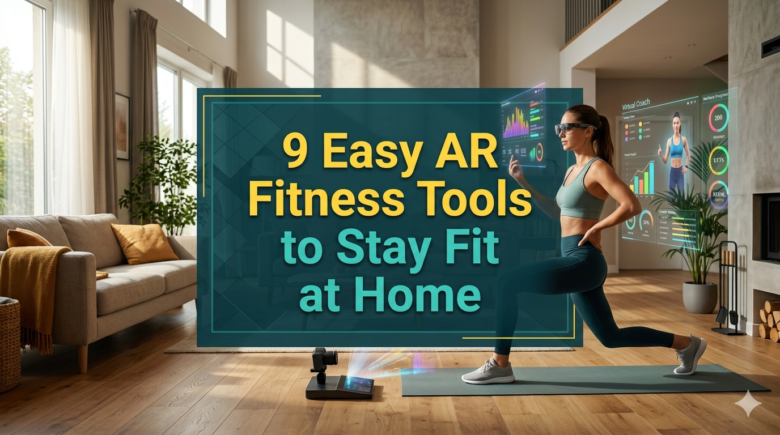
AR fitness tools blend digital instructions with your real environment. Instead of watching a video and guessing if you’re doing an exercise correctly, you see overlays, cues, and corrections directly in your space. It feels less like following instructions and more like being guided in real time by a virtual coach standing right in your room.
For beginners especially, this removes one of the biggest barriers: uncertainty. Many people stop exercising not because they lack motivation, but because they don’t know if they’re doing things right. AR tools help solve that.
This article breaks down 9 easy AR fitness tools you can use at home, how they work, and how they fit into everyday routines. It also includes comparisons, practical tables, and beginner-friendly guidance so you can actually use these ideas rather than just read about them.
why AR fitness tools are becoming popular at home
AR fitness works because it solves three common home workout problems:
- Lack of guidance
- Low motivation
- Poor consistency
Instead of switching between videos, timers, and apps, AR brings everything into one interactive system.
Here’s a simple breakdown:
Table: why AR fitness works for home workouts
| Problem at Home | Traditional Solution | AR Fitness Solution |
|---|---|---|
| Poor exercise form | YouTube videos | Real-time visual correction |
| Low motivation | Music or timers | Gamified workouts |
| Confusion | Multiple apps | Single interactive system |
| Boredom | Repetitive routines | Immersive environments |
| Lack of feedback | Post-workout tracking | Instant feedback |
The result is a more intuitive workout experience that feels less technical and more natural.
9 easy AR fitness tools to stay fit at home
Below are nine practical AR fitness tools that beginners can use without needing a full gym setup.
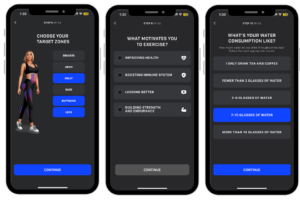
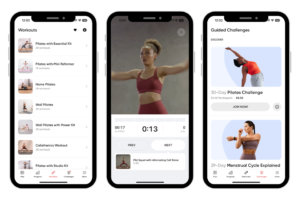
- AR fitness mobile apps
The most accessible AR fitness tool is your smartphone.
AR fitness apps use your phone camera to overlay instructions, avatars, and form corrections onto your environment.
What they offer:
- Guided workouts using 3D visuals
- Real-time posture correction
- Beginner-friendly routines
- Progress tracking
Some apps even adjust difficulty based on your performance.
Why it works at home:
You don’t need any equipment—just floor space and your phone.
Best for:
Beginners who want structure without investment.
- AR yoga and stretching guides
Yoga is one of the most AR-friendly workouts because form matters more than intensity.
AR yoga tools project:
- Body alignment guides
- Breathing cues
- Pose correction overlays
Instead of guessing poses from a screen, you see where your body should be positioned in real time.
Benefits:
- Reduces injury risk
- Improves flexibility faster
- Helps beginners learn poses correctly
This is especially useful for people working long hours at a desk.
- AR fitness mirrors (home versions)
A smart AR mirror turns any wall into a virtual training space.
It displays:
- Your reflection
- Trainer overlays
- Live corrections
Some even allow live classes or recorded sessions with feedback.
Why it’s useful:
You can see yourself and the trainer at the same time, which improves awareness of posture.
At-home advantage:
No gym required—just mount it in a room.
- AR bodyweight training apps
Bodyweight exercises like squats, push-ups, and lunges become easier with AR guidance.
These tools show:
- Correct angles for movement
- Repetition counts
- Speed adjustments
They often include animated avatars demonstrating exercises.
Beginner benefit:
You avoid common mistakes like improper squat depth or incorrect push-up form.
- AR gamified workout apps
These are fitness apps that turn exercise into games.
Examples include:
- Running from virtual zombies
- Completing obstacle courses
- Boxing against virtual opponents
Why it works:
Your brain focuses more on the game than the effort, making workouts feel shorter and more engaging.
Table: motivation comparison
| Workout Type | Motivation Level | Enjoyment | Consistency |
|---|---|---|---|
| Traditional gym | Medium | Medium | Medium |
| Home video workout | Low–Medium | Low | Low |
| AR gamified workout | High | High | High |
- AR dance fitness tools
Dance workouts are naturally fun, and AR makes them even more interactive.
These tools:
- Show step-by-step dance movements
- Highlight rhythm timing
- Provide feedback on accuracy
They are great for cardio without feeling like “exercise.”
Best for:
People who dislike traditional workouts but enjoy music and movement.
- AR strength training assistants
These tools guide you through strength exercises using AR overlays.
They show:
- Proper lifting form
- Range of motion
- Rest timers
- Progress tracking
Some also adjust workout intensity automatically.
Why it helps at home:
You can safely perform strength training without a personal trainer.
- AR cardio trainers
Cardio at home can get repetitive, but AR makes it more engaging.
These systems simulate:
- Outdoor running paths
- Cycling environments
- Interval training challenges
Instead of running in place, you feel like you’re moving through environments.
Benefit:
It reduces boredom, which is the main reason people stop cardio workouts.
- AR wearable fitness systems
Wearables like smart bands and AR-compatible fitness trackers connect with apps to provide live feedback.
They track:
- Heart rate
- Calories burned
- Movement quality
- Recovery time
When combined with AR apps, they enhance accuracy and personalization.
Why beginners benefit:
They get measurable feedback without needing to interpret complex data.
comparison of AR fitness tools for home use
| Tool Type | Space Needed | Cost Level | Ease of Use | Effectiveness |
|---|---|---|---|---|
| Mobile AR apps | Low | Low | Very easy | Medium–High |
| AR yoga tools | Low | Low | Easy | High |
| AR mirrors | Medium | High | Medium | Very high |
| Bodyweight AR apps | Low | Low | Easy | High |
| Gamified AR apps | Low | Low | Very easy | High |
| Dance AR tools | Medium | Low–Medium | Easy | High |
| Strength AR systems | Medium | Medium | Medium | Very high |
| Cardio AR trainers | Medium | Medium | Medium | High |
| Wearable AR systems | None | Medium | Easy | Medium–High |
sample weekly AR home fitness routine
Here’s how a beginner might combine these tools into a simple weekly plan:
| Day | Activity | Tool Used | Duration |
|---|---|---|---|
| Monday | Full body workout | AR bodyweight app | 30 min |
| Tuesday | Cardio session | AR cardio trainer | 25 min |
| Wednesday | Yoga & flexibility | AR yoga guide | 20 min |
| Thursday | Rest or light dance | AR dance tool | 20 min |
| Friday | Strength training | AR strength assistant | 30 min |
| Saturday | Gamified workout | AR fitness game app | 25 min |
| Sunday | Recovery session | AR wearable tracking | 15–20 min |
This structure keeps workouts balanced while preventing burnout.
tips for getting the most out of AR fitness at home
- keep your space clear
You don’t need a gym—just enough room to move safely. - start slow
AR makes workouts fun, but beginners should avoid overtraining. - focus on form first
Speed and intensity come later. - use headphones
Audio cues improve immersion and focus. - track progress weekly
Most AR tools include analytics—use them.
how AR fitness changes home workouts long-term
AR fitness is gradually shifting home exercise from passive viewing to active participation. Instead of following videos, users interact with digital trainers in real space.
The biggest long-term changes include:
- More personalized workouts
- Higher exercise consistency
- Reduced beginner confusion
- Greater engagement at home
In short, AR makes fitness feel less like instruction and more like experience.
FAQs
- do I need expensive equipment for AR fitness at home
No. Many AR fitness tools only require a smartphone and basic space. - is AR fitness suitable for beginners
Yes, it is especially helpful for beginners because it provides real-time guidance. - can AR fitness help with weight loss
Yes, it improves consistency and makes workouts more engaging, which supports weight loss goals. - how much space do I need at home
Most AR workouts can be done in a small room or living space with minimal clearance. - are AR fitness tools safe
Generally yes, especially since they guide proper form and reduce injury risk. - what is the best AR fitness tool to start with
A mobile AR fitness app is usually the easiest and most affordable starting point.
AR fitness tools are changing how people stay active at home. They remove guesswork, add structure, and make exercise more engaging without requiring a gym membership or complex equipment. For beginners, this combination of simplicity and guidance can make the difference between starting a fitness journey and sticking with it long term.