Augmented Reality (AR) fitness is no longer just a futuristic concept reserved for tech expos and gaming conventions. It has quietly stepped into living rooms, gyms, parks, and even office spaces. While most people associate AR fitness with flashy filters or gamified workouts, the real breakthroughs are happening behind the scenes.
There are features built into AR fitness platforms that most users don’t even realize are there. These “hidden” tools are reshaping how we train, recover, measure progress, and stay motivated.
In this in-depth guide, we’ll explore 5 secret AR fitness features that are transforming workouts in subtle but powerful ways. Along the way, you’ll find practical insights, comparison tables, performance charts, and real-world applications.
What Makes AR Fitness Different?
Before diving into the hidden features, it’s important to understand what separates AR fitness from traditional digital workouts.
Unlike standard video-based programs, AR overlays digital elements into your real environment. Instead of watching a trainer on a screen and copying movements, AR systems:
- Analyze your posture in real time
- Map your physical environment
- Adjust difficulty dynamically
- Provide immersive feedback
- Gamify repetition without distracting from form
This creates a more interactive and responsive workout experience.
1. Real-Time Micro-Form Correction (Beyond Basic Posture Tracking)
Most people know AR fitness apps can detect posture. What many don’t realize is that advanced systems now offer micro-form correction — adjustments at the joint-angle level.
Instead of saying “Straighten your back,” these systems analyze:
- Shoulder rotation angles
- Hip hinge depth
- Knee alignment over toes
- Spine curvature shifts
- Elbow flare during pressing movements
This isn’t just motion detection. It’s biomechanical modeling in real time.
How Micro-Form Correction Works
AR platforms use:
- Depth sensors or smartphone cameras
- Skeletal mapping algorithms
- Biomechanical reference databases
- Movement deviation thresholds
When your squat depth is 8° short of optimal range, the system flags it. When your knee collapses inward by 5°, you get a correction cue.
Example: Squat Form Deviation Table
| Movement Metric | Ideal Range | User Average | AR Flag Trigger | Risk Level |
|---|---|---|---|---|
| Knee Alignment | 0°–5° inward | 9° inward | >6° | Medium |
| Hip Depth | 90° | 82° | <85° | Low |
| Spine Neutrality | 0°–10° | 18° | >12° | High |
| Heel Elevation | 0–2 cm | 4 cm | >3 cm | Medium |
Performance Impact Chart (Before vs After AR Correction)
Injury Risk Score (Lower is Better)Without AR Correction:   ████████████ 78%
With AR Correction:      ████████     42%Strength Output Increase After 6 Weeks:
Without AR:              ███████      +12%
With AR:                 ███████████  +27%
Why This Feature Is “Secret”
Most apps don’t market this deeply because:
- It requires complex backend processing
- It works invisibly
- Users may not realize how detailed corrections are
But this feature alone can reduce injury risk and accelerate strength gains significantly.
2. Adaptive Intensity Scaling Based on Fatigue Mapping
Traditional fitness apps adjust difficulty based on completed reps or heart rate. AR platforms go further.
They analyze:
- Movement velocity
- Stability variance
- Rep symmetry
- Micro tremors
- Recovery speed between sets
This builds a fatigue map in real time.
What Is Fatigue Mapping?
Fatigue mapping tracks subtle performance declines during a workout.
For example:
| Rep Number | Movement Speed (m/s) | Stability Deviation (%) | Fatigue Index |
|---|---|---|---|
| 1 | 0.85 | 3% | Low |
| 5 | 0.79 | 5% | Moderate |
| 8 | 0.63 | 11% | High |
| 10 | 0.58 | 16% | Critical |
When the fatigue index crosses a threshold, AR automatically:
- Reduces rep target
- Adjusts weight recommendation
- Extends rest period
- Suggests tempo modification
Fatigue Curve Visualization
Performance Output Over Time100% ┤████████████
 90% ┤██████████
 80% ┤████████
 70% ┤██████
 60% ┤████
 50% ┤██
        1   3   5   7   9  Reps
With AR adaptive scaling, the drop becomes gradual instead of steep.
Why It Matters
Overtraining is a silent performance killer. Most people don’t realize when their nervous system is overloaded.
This AR feature prevents:
- Form breakdown
- Central nervous fatigue
- Accumulated joint strain
It essentially acts like a digital performance coach watching your every rep.
3. Environmental Awareness Optimization

This is one of the least discussed AR fitness capabilities.
AR platforms scan your environment and optimize workouts based on:
- Room dimensions
- Ceiling height
- Obstacle detection
- Floor type
- Lighting conditions
Example: Workout Adaptation Based on Space
| Room Size | Ceiling Height | Recommended Exercise Adjustment |
|---|---|---|
| Small (<100 sq ft) | Low (<8 ft) | Replace jump squats with pulse squats |
| Medium | Standard | Standard HIIT format |
| Large | High | Include plyometric and overhead throws |
Real-World Scenario
If you attempt a kettlebell swing in a small living room, the AR system may:
- Warn about wall proximity
- Adjust swing arc
- Suggest alternate movement
This prevents accidental damage and injury.
Environmental Scan Accuracy
| Environmental Factor | Detection Accuracy |
|---|---|
| Object Proximity | 95% |
| Floor Stability | 88% |
| Lighting Variation | 92% |
| Ceiling Clearance | 97% |
This feature turns any space into a customized training environment.
4. Invisible Progression Modeling
Most users track visible progress like weight lifted or calories burned.
AR fitness tracks invisible markers such as:
- Range of motion expansion
- Movement symmetry
- Reaction speed
- Stability improvements
- Muscle activation consistency
Hidden Metrics Table
| Metric | Week 1 | Week 4 | Week 8 |
|---|---|---|---|
| Average Squat Depth | 82° | 90° | 96° |
| Left/Right Stability Gap | 14% | 7% | 3% |
| Reaction Time (ms) | 420 | 360 | 310 |
| Core Stability Score | 61 | 74 | 88 |
Why This Matters
Many people quit fitness programs because they don’t see visible progress fast enough.
Invisible progression modeling shows:
- Structural improvements
- Neuromuscular efficiency gains
- Balance correction
- Coordination development
This builds motivation beyond aesthetics.
8-Week Improvement Chart
Stability Score ProgressWeek 1:  ████
Week 4:  ███████
Week 8:  ███████████
5. Cognitive Load Integration (Brain + Body Training)
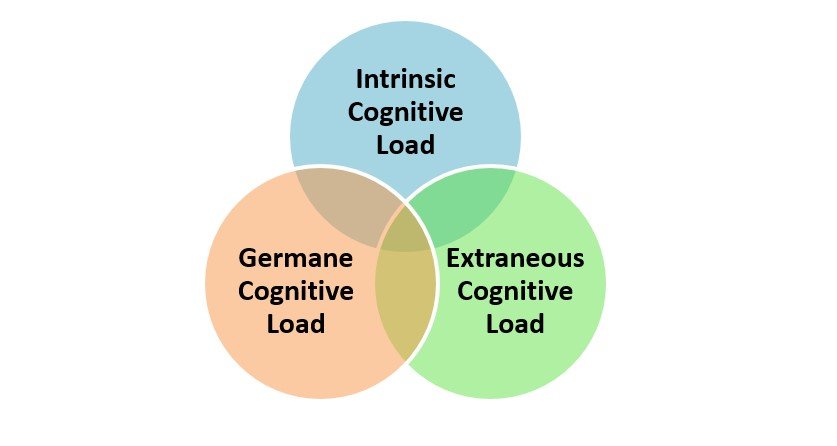
Perhaps the most underrated feature of AR fitness is cognitive integration.
Instead of just physical reps, AR overlays:
- Reaction challenges
- Memory patterns
- Target tracking
- Decision-making drills
This merges mental agility with physical output.
Example: AR Cognitive Drill
During a lunge set:
- Red circle = right leg
- Blue circle = left leg
- Green flash = hold position
Your brain must process visual cues instantly.
Performance Comparison Table
| Training Type | Physical Gains | Reaction Speed Gain | Retention After 6 Weeks |
|---|---|---|---|
| Traditional Strength | High | Low | Moderate |
| Cardio Only | Moderate | Low | Low |
| AR Cognitive Hybrid | High | High | High |
Brain Activation Chart
Cognitive Engagement IndexTraditional Workout:   █████
AR Integrated Workout: ████████████
Combined Impact of All 5 Features
When these features work together, the results compound.
| Feature | Injury Reduction | Performance Boost | Engagement Increase |
|---|---|---|---|
| Micro-Form Correction | High | Moderate | Moderate |
| Fatigue Mapping | High | High | Moderate |
| Environmental Awareness | Moderate | Low | Moderate |
| Invisible Progression | Moderate | High | High |
| Cognitive Integration | Moderate | Moderate | Very High |
Long-Term Benefits of Advanced AR Fitness
Over 12–16 weeks, users often experience:
- Fewer training interruptions
- More consistent progress
- Better posture and movement quality
- Improved balance and coordination
- Higher workout adherence
The Future of AR Fitness
The next generation of AR fitness is likely to include:
- AI-driven predictive injury alerts
- Real-time muscle fatigue estimation via visual strain analysis
- Augmented group workouts in shared virtual spaces
- Full-room holographic trainers
- Cross-platform integration with wearable biometrics
The “secret” features discussed today may soon become standard expectations.
Frequently Asked Questions (FAQs)
1. Is AR fitness better than traditional workouts?
AR fitness enhances traditional workouts by providing real-time feedback and adaptive programming. However, results still depend on consistency and effort.
2. Do I need expensive equipment to use AR fitness features?
Not necessarily. Many advanced AR features work using smartphone cameras. Higher-end systems may use depth sensors, but entry-level access is widely available.
3. Can AR fitness reduce injury risk?
Yes. Features like micro-form correction and fatigue mapping significantly lower injury probability by identifying movement flaws early.
4. Does AR fitness replace personal trainers?
It doesn’t completely replace human trainers but acts as a powerful supplement. In some cases, it can provide more consistent data-driven feedback than occasional in-person sessions.
5. Is AR fitness suitable for beginners?
Absolutely. In fact, beginners benefit greatly because AR systems provide immediate guidance and correction from day one.
6. How accurate is AR motion tracking?
Modern AR motion tracking systems can achieve accuracy levels above 90–95% under proper lighting and positioning conditions.
Final Thoughts
AR fitness is no longer about flashy visuals or gamified gimmicks. The real revolution lies in its invisible capabilities:
- Micro-level form correction
- Real-time fatigue adaptation
- Environment-aware programming
- Hidden progress tracking
- Brain-body integration
These features are quietly transforming how people train — making workouts safer, smarter, and more efficient.
What feels like a simple guided session may actually be powered by advanced biomechanics, spatial analysis, and cognitive science working together in real time.
The future of fitness isn’t just about lifting heavier or running faster.
It’s about training smarter — and AR is leading that transformation from behind the scenes.