Fitness has gone digital — and now it’s gone augmented.
AR Fitness is a concept of fitness that involves augmented reality. Mind you, instead of staring at a blank wall when doing squats, you can now see your virtual coaches, live stats and interactive challenges in front of your eyes. You feel like you’re playing a video game, but your body is actually doing work.
Sounds cool, right? But here’s the problem.
AR fitness is buzzing with products. Headsets, smart glasses, mixed reality apps, AR bike setups — the options seem in the hundreds. And not all of them are worth your cash.
And that is why these 8 simple AR fitness buying tips are here. Whether you’re a complete beginner or a fitness tech enthusiast, this guide will help you make an informed purchase with confidence.
Let’s get into it.
What Is AR Fitness and Why Is Everyone Talking About It?
Before we get into the buying tips, let’s briefly explain what AR fitness actually is.
AR stands for augmented reality. Unlike virtual reality (VR), which immerses you in a wholly artificial environment, AR overlays digital content on top of the real world. So while using AR fitness gear, you can still see your room, your equipment and surroundings — but there’s also additional content mixed into what you’re seeing.
Think:
- A virtual running coach popping up next to you on the treadmill
- Heart metrics constantly flashing in your peripheral vision
- An on-screen opponent racing you in a cycling session
It’s immersive. It’s motivating. And it’s growing fast.
| Feature | VR Fitness | AR Fitness |
|---|---|---|
| See real world? | No | Yes |
| Equipment required | Full headset | Smart glasses or phone |
| Space needed | Large open space | Small |
| Motion sickness potential | High | Low |
| Cost range | $300–$1500+ | $50–$1200+ |
Now that you know what you’re shopping for, here are the 8 tips of advice.
Tip 1: Lock Down Your Fitness Goals Before You Shop
This sounds obvious. But most people skip it.
The truth is: AR fitness gear isn’t one-size-fits-all. The ideal setup for a marathoner is completely different from what you’d need to lift in a home gym.
Ask yourself these questions first:
- Am I looking to track performance metrics, or have an entertaining interactive experience?
- Do I work out at home, outdoors, or both?
- Do I like workouts solo or in virtual group classes?
- Am I recovering from an injury and need gentle guided movement?
Your answers will quickly narrow your options.
If, for example, your aim is to improve cycling performance, a smart AR cycling setup with data overlays is sensible. But if your only goals are to be active and have a good time, an AR gaming fitness app on your phone may be the better — and cheaper — way to go.
Pro Tip: Write down your top 3 fitness goals before you start browsing products. Remind yourself of them when you feel seduced by appealing features you don’t really need.
Tip 2: Know the Variety of AR Fitness Devices
Not all AR fitness equipment looks or operates the same. Before you spend, you should know what is actually out there.
Wearable AR Glasses and Headsets
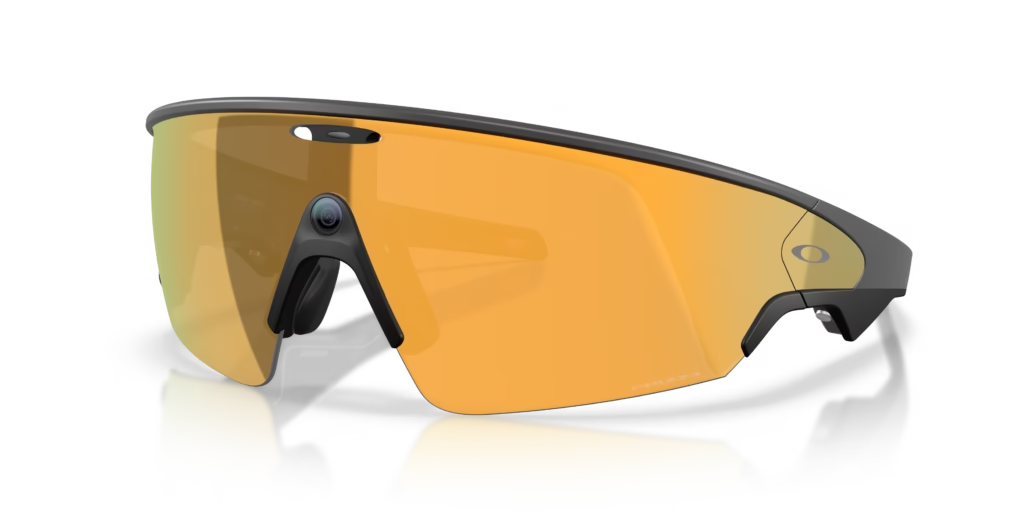
These are devices you wear on your face. They show data or visuals as you move. Some are lightweight sports glasses. Others are heavier mixed-reality headsets.
Examples: Vuzix Blade, Nreal Air (currently XREAL), Apple Vision Pro (mixed reality capable)
Best for: Runners, cyclists and athletes wanting hands-free real-time data
Smartphone-Based AR Fitness Apps
Your phone acts as the AR device. You aim the camera at yourself or your surroundings, and the app inserts digital components. No extra hardware needed.
Examples: Nike Training Club AR features, other yoga and form-check apps
Best for: Beginners, value seekers, people who like minimal commitment
AR-Connected Smart Equipment
This is gym equipment — bikes, mirrors, treadmills — that has AR or mixed reality built in. They’re all-in-one systems.
Examples: Smart fitness mirrors with AR coaching overlays
Best for: Home gym owners who want a premium, integrated experience
| Gear Type | Avg. Cost | Setup Difficulty | Portability |
|---|---|---|---|
| AR Glasses/Headsets | $300–$1200 | Medium | High |
| Smartphone AR Apps | $0–$30/month | Very Easy | Very High |
| Smart AR Equipment | $800–$3000+ | Medium-High | Low |
Tip 3: Never Skip the Compatibility Check Before Buying
This is one of the most ignored AR fitness buying tips — and it’s also responsible for the most regret.
AR fitness products don’t always work seamlessly across all devices, apps or operating systems. You have to make sure it plays nicely with the things you already own before you buy.
Key compatibility checks:
- Operating system: Apple, Android, Windows, or all three?
- Phone requirements: Many AR apps require specific camera specs or processing power
- Existing fitness apps: If you use Strava or Apple Health, ensure your AR gear integrates with them
- Smart home devices: A few AR setups link up to smart TVs or speakers — confirm this before you pull the trigger
One fast way to find out: Visit the product’s official website and search for a “compatibility” or “system requirements” section. If it’s buried or vague, that’s a yellow flag.
Real-world example: A person buys a pair of AR running glasses, only to find that the product only syncs with one proprietary app. They’re stuck on a platform they don’t want to use. Don’t make this mistake.
Tip 4: Don’t Overlook Comfort and Fit
You will be sweating, moving quickly and pushing your body to the limits while wearing this equipment. Comfort is not a luxury. It’s a requirement.
If you’re serious about building a long-term fitness routine around AR technology, AR Body Health is a great resource for tips on how movement, recovery, and wearable tech work together for better results.
Weight Is More Important Than You Realize
A device that’s light in your hand can feel heavy on your head after 30 minutes of HIIT. Look for headwear under 80–100 grams. Lighter is better for fitness use, almost always.
Sweat Resistance Is Non-Negotiable
Check for an IPX rating. This indicates the water resistance of a device.
| IPX Rating | What It Means |
|---|---|
| IPX2 | Handles light dripping |
| IPX4 | Sweat and splash resistant |
| IPX5 | Resistant to water jets |
| IPX7 | Fully submerged up to 1 meter |
For AR fitness use, you want at least IPX4. Anything below that and your device may fail due to sweat damage within weeks.
Adjustability and Fit
Look for adjustable straps, nose pieces and temple arms. A device that slips while sprinting or bounces as you jump will become useless — and irritating — fast.
Tip: If you can, test the gear in-store before purchasing. Many Best Buy and specialty tech stores should have demo units available.
Tip 5: Battery Life Is the Make-or-Break Factor in Your Workout
Nobody wants their AR glasses sputtering out at the 20-minute mark of a 45-minute run.
Battery life is one of those specs people tend to check last, but should check first.
What to Look For
- Minimum battery life for workouts: At least 2–3 hours of active AR use
- Standby vs. active use: Manufacturers tend to list standby time, which looks impressive but isn’t applicable to your workout
- Charging speed: Fast charging is a big convenience win
| Device Type | Typical Battery Life When Active |
|---|---|
| AR Smart Glasses | 1.5 – 4 Hours |
| Mixed Reality Headsets | 2 – 3.5 Hours |
| Smartphone AR Apps | Depends on phone battery |
| AR Smart Equipment | Plugged in (no concern) |
If it’s not clearly stated on the product page, look in user reviews. If it is a problem, real users will mention it quickly.
Bonus Tip: Many AR glasses include a carrying case that doubles as a charging dock. This is a great feature for people who train twice a day or travel regularly.
Tip 6: Read Real User Reviews — Not Just the Star Rating
A 4.5-star product sounds great. But what are people actually saying?
This is one of the key AR fitness buying tips, as AR technology is still in a nascent stage. A product that looks incredible inside slick marketing videos might have an endless list of real-world problems.
According to PCMag’s AR product review methodology, testing AR devices in real-world fitness scenarios often reveals issues that marketing materials never mention — making user reviews even more critical before any purchase.
Where to Find Honest Reviews
- Amazon verified purchase reviews: Filter by “most recent” to avoid outdated reviews
- Reddit communities: Subreddits like r/augmentedreality or r/fitness have unfiltered opinions
- YouTube “long-term review” videos: These are more trustworthy than “unboxing” videos
- Fitness-specific forums and blogs: These niche communities tend to provide more informed, detailed feedback
What to Look for in Reviews
Don’t just scan for complaints. Look for patterns.
If 20 different reviews cite the same problem — say, the device fogged over during cardio or the app crashed mid-class — that’s a real problem, not something that happens just once.
Red flags in reviews:
- Several complaints about poor customer service
- Devices dying within 3–6 months
- Complaints about advertised features not working
- Numerous reviews mentioning misleading product descriptions
Green flags in reviews:
- Users reporting they purchased the product a second time after losing or breaking their first one
- Comments about firmware updates actually fixing bugs
- Reviews from verified athletes or fitness instructors
Tip 7: Set a Realistic Budget and Know What You’re Paying For
AR fitness gear can run anywhere from completely free (smartphone apps) to several thousand dollars (high-end connected home gym systems). Establishing a clear budget before shopping can help you avoid both overspending and buying something too cheap to actually work properly.
The Three Budget Tiers
Budget Tier: $0–$100 Good for beginners. Largely smartphone-based AR apps and accessories. You can try AR fitness without a huge commitment. Downside: fewer features and less immersion.
Mid-Range Tier: $100–$500 Most serious buyers hit this price point. There will be decent AR glasses, great fitness tracking and a solid app ecosystem. This range provides the best value for most people.
Premium Tier: $500–$3000+ Full AR/MR headsets, smart fitness mirrors and integrated home gym systems. These are the most immersive but need a real investment. Best for those who have already tried AR fitness and know they love it.
Hidden Costs to Watch For
| Hidden Cost | Examples |
|---|---|
| Subscription fees | Monthly app access ($10–$30/month) |
| Replacement accessories | Straps, nose pads, cables |
| Compatibility upgrades | New phone or tablet needed |
| Extended warranties | Optional but recommended |
Quick rule: Do not spend more on AR fitness gear than 3 months of gym membership until you know it works consistently for your workout.
Tip 8: Research the Brand’s Support, Updates, and Return Policy
This is the tip that separates smart shoppers from everyone else.
The AR fitness space is rapidly evolving. The device you have is only half the story — the other half is related to the brand behind it.
Why Brand Support Matters in AR Fitness
AR products are hugely reliant on software. A device that seems perfect today could end up being obsolete in 12 months if the company stops releasing updates. Worse yet, if the app ecosystem shuts down, your hardware becomes essentially useless.
What to check:
- Update history: Has the brand released regular firmware or software updates within the last year?
- Customer support channels: Is there a real support team — live chat, phone, email — or just a FAQ page?
- Community and forums: A large and active community is a sign of an engaged brand
- Return policy: Look for at least a 30-day no-questions return window
Well-Established Brands in the AR Fitness Space (2026)
Specific rankings change regularly, but look for brands that have been in the AR/tech space for at least 3–5 years. Newer brands can sound great but come with more risk.
Final note on this tip: Buy from a brand you can actually reach. If something breaks in month three, you want a real human to help you — not an endless loop with a chatbot that goes nowhere.
Quick Recap: All 8 AR Fitness Buying Tips at a Glance
| Tip # | Key Action |
|---|---|
| 1 | Lock down your fitness goals first |
| 2 | Know which type of AR gear fits your lifestyle |
| 3 | Always verify device and app compatibility |
| 4 | Prioritize comfort, fit and sweat resistance |
| 5 | Check battery life for active use, not standby |
| 6 | Read real user reviews and look for patterns |
| 7 | Set a realistic budget and account for hidden costs |
| 8 | Choose brands with solid support and return policies |
FAQs About AR Fitness Gear
Q: Is AR fitness gear worth it for casual exercisers? Yes, and especially smartphone-based AR fitness apps. They are low cost and a fun way to spice up your routine without much commitment.
Q: Can I use AR fitness gear outdoors? Most AR glasses and apps function in outdoor settings. Just ensure the device has good outdoor visibility (high nit count for displays) and is rated for sweat and light rain at minimum.
Q: What is the difference between AR and VR fitness? AR overlays digital content on your actual environment. VR replaces your environment entirely. AR is more intuitive, less jarring and doesn’t need as much space.
Q: Do I need a fancy smartphone for AR fitness apps? Most modern smartphones released in the last 3–4 years work fairly well with AR fitness apps. Just double-check the minimum requirements for the app.
Q: Are AR fitness products safe for kids and teens? Yes, in general, but consult the manufacturer’s recommended age guidelines. Most AR headsets advise usage from age 13+ due to concerns about visual development. Smartphone apps are generally appropriate for all ages.
Q: How long do AR fitness devices typically last? A good AR device should last 2–4 years with proper care. Battery degradation is usually the first sign of a problem over time.
Q: Is there a risk of eye strain with AR glasses? Yes, like with any extended use of screens or optical devices, AR glasses carry potential for eye strain. Some users experience mild eye fatigue, particularly in the first few weeks. This typically lessens as your eyes adjust. Taking regular breaks helps.
Wrapping It All Up
AR fitness is not a gimmick. It’s a tangible, expanding element of how people train, stay motivated and track their progress in 2026.
But like any tech purchase, it pays to be smart about it.
These 8 AR fitness buying tips give you a clear path. Start with your goals. Know your gear types. Check for compatibility, comfort and battery life. Read honest reviews. Set a real budget. And always purchase from a brand that will still be around when you need assistance.
You do not have to buy the most expensive product on the market. You need the right product for your body, your goals and your budget.
Now go find your fit — augmented style.