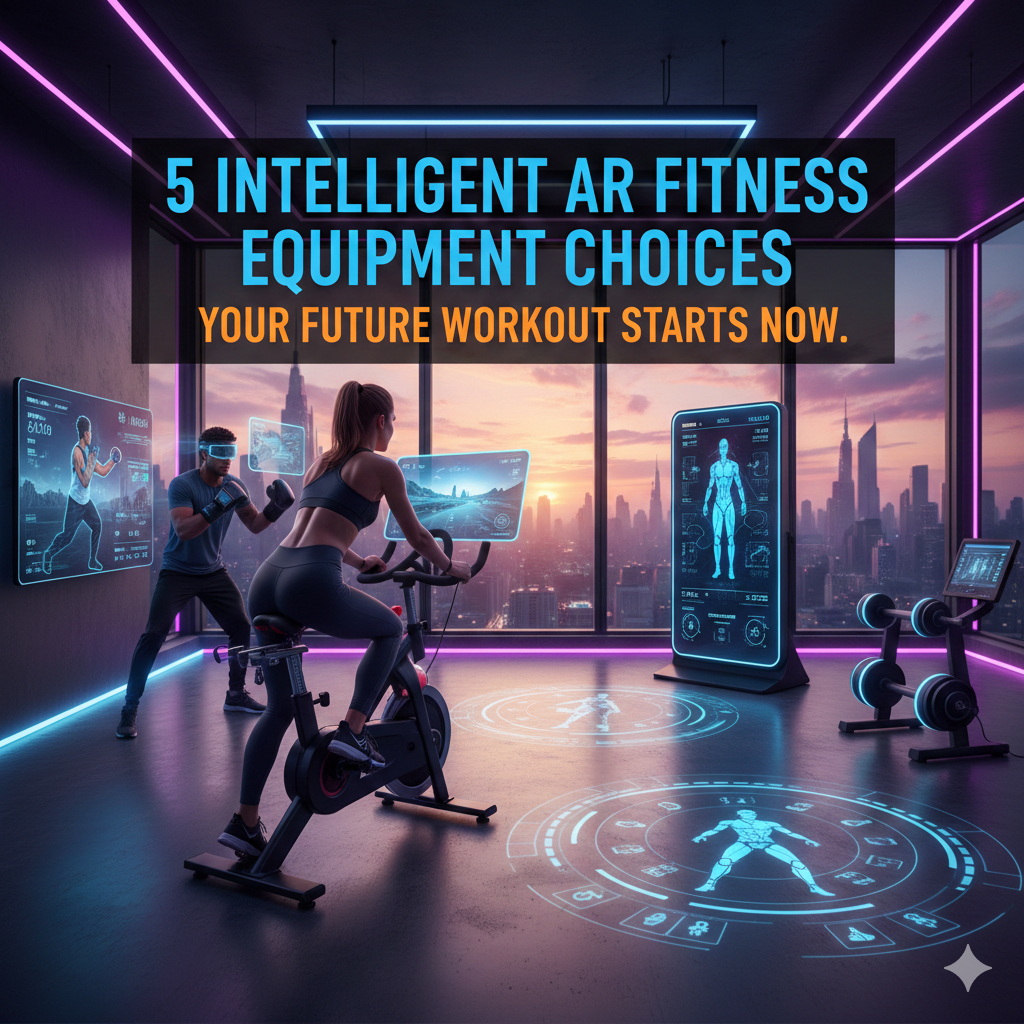
Exercise was once associated with headphones, a gym and perhaps a fitness tracker strapped to your wrist. But 2025 has turned the tables. Now with AR fitness gear, exercise is becoming more interactive, more fun and to be fair — just a lot better at actually getting the job done.
AR stands for augmented reality. It overlays digital imagery on the physical world. Imagine peeking at your running stats floating before your eyes while you jog. Or practicing with a virtual boxing coach in your living room. That’s what this gear does.
The best part? You don’t need a fancy gym. Most of this gear functions at home, outside or wherever you like to get your move on.
Here is a breakdown of 5 top AR fitness gear picks available today. We’ll explain what each one does, who it’s best for and why it’s unique from standard workout equipment.
Let’s get into it.
Why AR Fitness Gear Is Having Its Big Moment Right Now
Before diving into the list, it’s useful to understand why this technology is suddenly ubiquitous.
A few years back, AR hardware was pricey and unwieldy. It was too expensive for most people and didn’t work that well. But things have changed fast.
Processors got faster. Lenses got lighter. Software got smarter. And prices have started coming down to where regular folks — not just tech nerds — are buying this stuff.
Motivation is also a problem that AR fitness gear solves pretty well. Millions begin workout regimens and drop them within weeks. Boredom is one of the main reasons. AR turns exercise into a game. It introduces targets, visuals and real-time feedback. That keeps people coming back.
Research has demonstrated that if people actually enjoy what they do for exercise, they’re going to stick with it longer. AR fitness gear hooks straight into that.
| Traditional Workout | AR-Assisted Workout |
|---|---|
| Static environment | Interactive digital overlays |
| No real-time feedback | Live stats and coaching |
| Easy to get bored | Gamified and engaging |
| Track results manually | Automatic performance tracking |
| Fixed difficulty | Adaptive challenges |
Gear Pick #1 — Meta Quest 3 and Fitness Apps
What It Is
The Meta Quest 3 is a standalone VR/AR headset. But paired with the right fitness apps, it’s one of the most powerful AR workout tools on the market.
Apps like Supernatural, FitXR and Les Mills Body Combat transform your living room into a full gym. You shadowbox, dance, stretch and squat — all the while witnessing immersive visuals layered around you.
The Quest 3’s “mixed reality” mode allows you to see your actual room but with digital objects embedded inside it. So your couch remains, but so does a virtual trainer floating in front of it.
Why Fitness Fans Love It
It’s incredibly versatile. One day you can perform a high-intensity cardio workout. The next, a calm yoga flow. The headset tracks your head and hand movements, so you don’t have to hold onto any extra controllers for certain apps.
The Supernatural app, in particular, has been lauded for making workouts feel like concerts. There are songs, gorgeous scenery and coaches directing each step. Users report burning 300–600 calories per session and it doesn’t even feel like exercise.
Who Should Get This
Great for those who need motivation to work out. If the gym sounds like a chore, this truly makes movement feel like fun. It’s also great for those with limited space. It requires around 6×6 feet for safe usage.
Price Range: $500–$650 for the headset. Some fitness apps cost $20–$40/month.
Gear Pick #2 — FORM Swim Goggles
What It Is
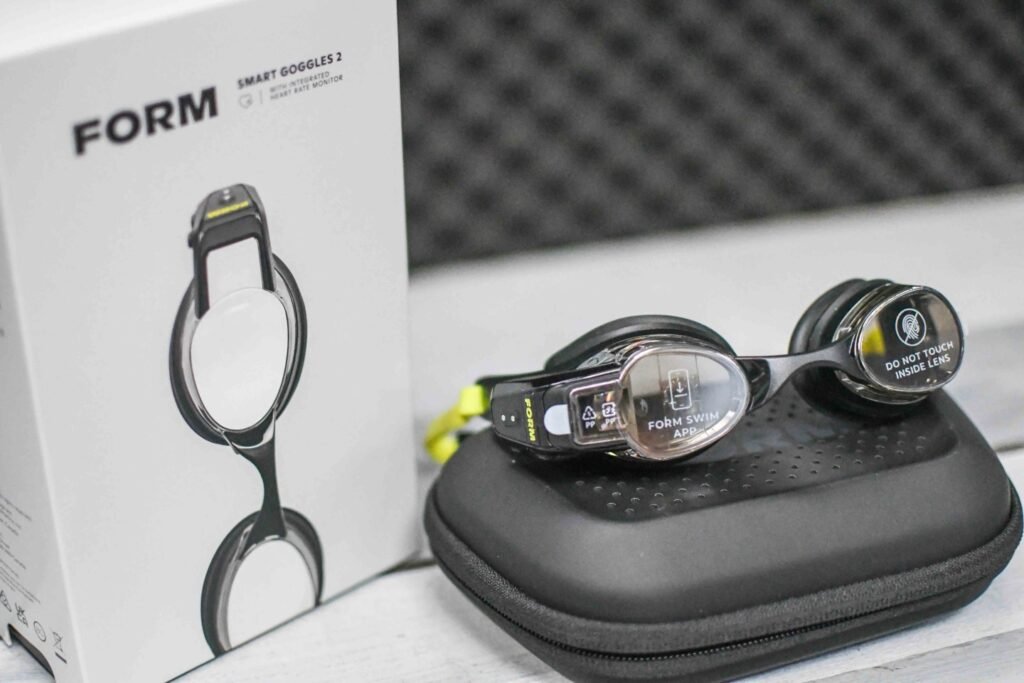
FORM Swim Goggles are, well, swim goggles. But these aren’t your standard pool goggles. They have a mini transparent display embedded in the lens itself.
As you swim, the display presents your stats in real time. Lap count, split times, stroke rate and heart rate (with a compatible strap). All of this emerges into your line of sight as you move through the water.
How AR Changes Swimming
Swimming has always been a difficult sport to follow. You can’t look at a watch in the middle of a stroke. You can’t look at your phone. You swim blind, basically, and you can check your stats when you’re finished.
FORM Goggles solve that completely. You always know where you stand in your workout. If you have to hit a certain pace, you can check in real time to see if you’re on track. It makes a huge difference in the quality of training.
The goggles connect to the FORM app on your phone. It gives a detailed breakdown of your workout after each session — distance, efficiency score, stroke analysis and more.
Who Should Get This
These are ideal for competitive swimmers, triathletes or those who swim frequently for exercise. Even casual lap swimmers can benefit from keeping track of laps without losing count during a set.
Price Range: Around $200–$250.
| Feature | FORM Goggles | Regular Goggles |
|---|---|---|
| Real-time lap count | ✅ | ❌ |
| Pace tracking | ✅ | ❌ |
| Stroke rate display | ✅ | ❌ |
| Post-swim analysis | ✅ | ❌ |
| Waterproof | ✅ | ✅ |
Gear Pick #3 — Garmin Cyclists Head-Up Display (HUD)
What It Is
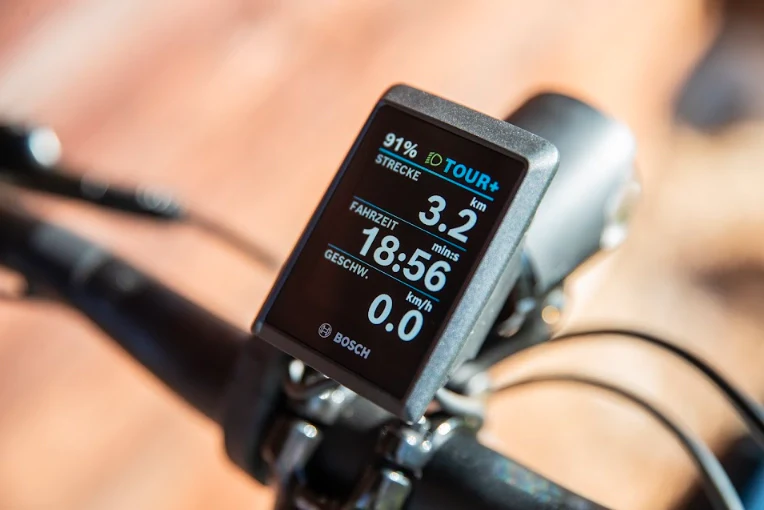
Varia Vision is a heads-up display (HUD) for cyclists by Garmin. It attaches to your sunglasses and displays navigation, speed, heart rate and other data in your peripheral vision as you ride.
Newer models from Garmin and rival brands have gone even further into true AR territory, superimposing route cues and performance messages that interact with your real-world environment.
How This Differs from a Standard Bike Computer
A standard bike computer mounts on your handlebars. You have to look down to check it. That requires taking your eyes off the road — even if just for a second — which can be dangerous.
An AR HUD keeps your eyes up. The data hovers in your peripheral vision. You don’t have to search for it, it’s simply there. That’s a huge deal for safety and performance.
Cyclists who use HUD displays say they can react quicker to changes in pacing since they don’t have to interrupt their rhythm to check stats.
Pairing with Smart Routes
It pairs with apps like Komoot or Strava to display turn-by-turn navigation. Instead of memorizing a route or looking at your phone, you’ll see an arrow pop up before the next turn.
This is massive for those long-distance rides in unfamiliar territory. It lets you navigate smoothly and focus completely on getting those pedals turning.
Who Should Get This
Road cyclists, gravel riders and commuters looking to ride smarter and safer. Also great for athletes training for events where pacing is paramount.
Price Range: $150–$350 depending on brand and features.
Gear Pick #4 — WHOOP 4.0 + AR-Integrated Training Platforms
What It Is
WHOOP 4.0 is more than a fitness wearable. It is not a basic step or calorie tracker. It monitors your recovery, sleep quality, heart rate variability (HRV), strain and readiness score.
On its own, it’s impressive. But used in conjunction with AR fitness platforms — such as some gym setups that capture biometric data live — it becomes an integral part of your AR fitness gear.
Some smart gyms and home setups now overlay your WHOOP data on your workout screen. You can see your strain level in real time, along with your recovery status, while you train — allowing you to push harder when fresh or back off when your body needs recovery.
The Smart Training Angle
This is where things get really interesting. The majority of people train on a steady schedule. Monday is leg day, Tuesday is cardio — no matter how their body actually feels.
WHOOP-powered AR systems turn that on its head. The gear scans your data and tailors the workout recommendation to reflect what your body is actually doing that day. If you slept poorly and had lower HRV, the system might recommend a lighter session. If you’re fully recovered, it might push you harder.
This is known as biometric-adaptive training, and it’s among the most exciting frontiers in smart fitness. If you’re curious about how body-focused tech can improve your overall health, AR Body Health covers a wide range of topics on using modern tools for smarter, healthier living.
Who Should Get This
Athletes who take recovery seriously. Anyone who trains hard — CrossFit, running, cycling, lifting — will get a lot out of this. Also great for folks susceptible to overtraining or who want a more scientific approach to fitness.
Price Range: WHOOP membership starts from roughly $30/month. AR platform integrations vary based on the gym or software.
Gear Pick #5 — Active Arcade (Smart AR Floor Mats & Reaction Systems)
What It Is
Active Arcade is a category of AR fitness hardware that uses floor projection, light-up tiles or wall-mounted displays to provide immersive game-based workouts. In real time, players dodge, step, jump and react to visual commands.
Some systems use pressure-sensitive mats. Others employ cameras to track body position. The latest versions project targets on the floor and walls, which you interact with live using your body.
These include products like Liteboxer (a connected boxing system with light-guided targets) and Reactiv (a wall-mounted reflex trainer).
Why It Works So Well
These systems don’t only train physical fitness. They improve reaction time, coordination and cognitive speed. The brain is forced to analyze visual cues and react quickly — precisely what athletes need.
Boxing trainers have used reflex bags and light systems for decades. AR versions build on that idea and layer in data tracking, coaching and gamification.
These systems are especially effective for kids, teens and adults who love games. It feels less like a workout. It feels like play. But your pulse tells a different story.
Performance Chart — Calories Burned by AR Fitness Activity
Here is a rough comparison based on average user data:
| Activity | Avg. Calories Burned / 30 Min |
|---|---|
| Supernatural (Meta Quest) | 250–400 |
| AR Boxing (Liteboxer) | 280–420 |
| FORM Goggles swim session | 300–500 |
| Garmin HUD cycling ride | 300–600 |
| Active Arcade floor games | 200–350 |
Who Should Get This
Families, teens and anyone who tires of traditional exercise quickly. Also great for coaches and trainers looking to inject something new into their clients’ routines.
Price Range: $400–$1,200 based on system size and setup.
How to Choose the Best AR Fitness Gear for You
Not every piece of gear is right for everyone. Here’s a basic breakdown to help you decide:
Get the Meta Quest 3 if: You need an all-in-one option that fits various workout styles and you want the most variety.
Choose FORM Goggles if: Swimming is your primary sport and you want to supercharge your training without overhauling your routine.
Go with a Garmin HUD if: You’re an outdoor cyclist who rides on the road frequently and prioritizes safety.
Choose WHOOP 4.0 if: You are serious about recovery and want your training to adjust according to how your body feels each day.
Choose Active Arcade-style systems if: You want something fun and high-energy that works for the whole family.
What to Consider Before You Shop
Comfort and Fit Matter More Than You Think
AR glasses and goggles rest on your face while you move hard. If they’re not comfortable, you won’t wear them. Always look for sizing options and read reviews regarding comfort, especially during extended use.
Battery Life Can Be a Limiting Factor
AR fitness devices generally last 1–3 hours on a full charge. If you do long sessions, be aware of your gear’s battery limits. Some devices charge quickly; others take hours.
Software Updates Keep Things Fresh
The best AR fitness gear improves over time through updates. Look for devices with active development teams and regular feature updates. A device that is supported long-term is more valuable than one that gets abandoned.
The Learning Curve Is Real but Short
At first, using AR fitness gear can feel a little odd. The goggles feel weird. The HUD takes some getting used to. Give it 2–3 sessions. Most users say it clicks quickly and feels natural after a brief adjustment period.
FAQs About AR Fitness Gear
Q: Is AR fitness gear safe for daily use? Yes, for most people. Like any piece of workout equipment, moderation is key. Take breaks for your eyes if you’re using headsets, and stick to the usage times recommended by manufacturers.
Q: Should kids have access to AR fitness equipment? Most brands list a minimum headset age of 13+ because of eye development concerns. Active Arcade floor systems and light-up reaction trainers are generally safe for younger kids. Be sure to read the age guidelines for each individual product.
Q: Do I need a lot of home space for AR fitness gear? It depends on the product. FORM Goggles and WHOOP require little to no extra space. You’ll need approximately 6×6 feet of open space for the Meta Quest 3. Active Arcade floor systems, especially larger mat setups, require more room.
Q: Is AR fitness gear really worth the money? For those whose exercise consistency is a problem, yes — definitely. That alone can save you money on gym memberships that never get used. For casual exercisers, it depends on how often you’ll use it.
Q: How does AR fitness gear compare to a real trainer? Not entirely, but it gets very close for many purposes. The coaching cues, real-time feedback and form tracking have improved by leaps and bounds. Many users advance more quickly with AR guidance than with no coach at all.
Q: What is the difference between AR and VR fitness gear? VR replaces your entire field of view with a virtual environment. AR adds digital components to the real world. Most modern headsets such as the Meta Quest 3 can do both. For fitness in particular, AR is often the more practical choice since you can still see your actual surroundings.
Q: Will AR fitness gear get cheaper anytime soon? Very likely. The trend in consumer tech has almost always been toward lower prices over time. Entry-level AR fitness options are already cheaper than they were just two years ago.
The Bottom Line
AR fitness gear is no longer a gimmick. It’s a genuine training tool that is helping real people run faster, swim smarter, stay motivated and move more consistently.
Whether you’re a casual walker, a competitive athlete or somewhere in between — there’s an AR fitness option that suits your lifestyle and your budget.
The 5 picks presented in this article represent the best of what’s available right now. They’re practical, well-reviewed and truly effective. More importantly, they make fitness less of a chore and more of an experience.
That shift matters. Because the best workout is always the one you’re actually going to do.
Just begin with whatever you find the most compelling. Try it for 30 days. You probably won’t look back.