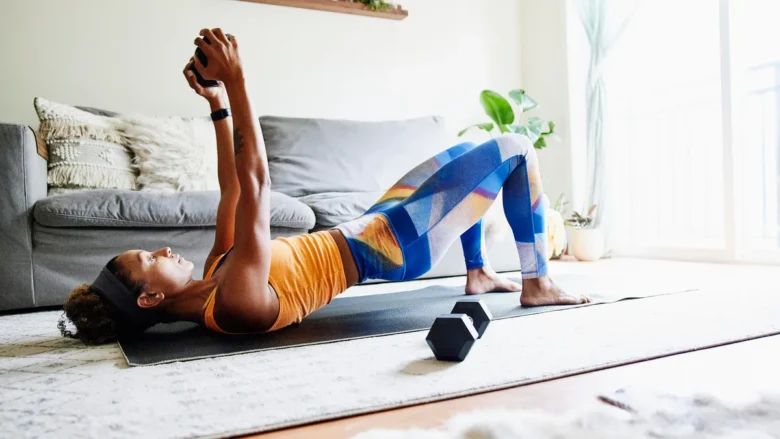
I’ll be honest — when I first heard about AR fitness, I pictured some sci-fi setup where you needed a lab coat and a $3,000 headset just to do a squat. I almost scrolled past it entirely.
Then a friend showed me what he was doing with his phone and a free app during his lunch break. No gym. No complicated gear. Just him, his living room floor, and a workout that actually looked… fun? I was skeptical. I tried it anyway. That was six months ago, and I haven’t looked back.
If you’re new to augmented reality fitness — meaning you’ve heard the term but have no idea where to actually begin — this is the guide I wish someone had handed me on day one. No fluff, no gatekeeping. Just seven workouts you can genuinely start today, even if you’re a complete beginner.
1. AR-Guided Bodyweight Squats (The Perfect Starting Point)
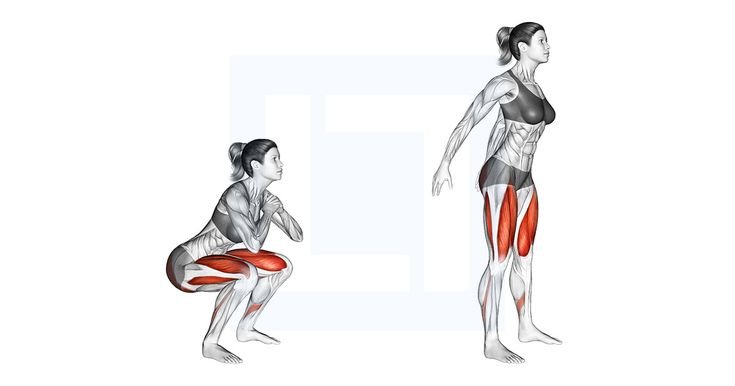
This was the first AR workout I ever tried, and for good reason — it’s dead simple and immediately useful.
Apps like Kaia Health and Onyx use your phone’s camera to overlay real-time posture cues on your screen. You do a squat, and the app tells you if your knees are caving inward, your back is rounding, or your depth is off. It’s like having a trainer watching you, except you’re not paying $80/hour.
How to start:
- Download an AR fitness app (Kaia Health is free to try, Onyx has a free tier)
- Stand 5–6 feet from your phone, propped up against a wall or on a stand
- Follow the on-screen skeleton overlay and match your form to it
- Start with 3 sets of 10 reps
The mistake I made early on? I stood too close to the camera, and the tracking kept losing me mid-squat. Give yourself space. The app needs to see your full body.
2. AR Cardio Running (Outdoor + Phone = Surprisingly Powerful)
Running is boring for a lot of people. I’m one of them. But apps like Zombies, Run! and Nike Run Club’s AR features completely changed how I feel about lacing up.
Zombies, Run! wraps your outdoor run in a live audio story where you’re literally being chased by zombies. It’s not augmented reality in the visual headset sense — but it overlays a narrative onto your real physical environment, which is exactly what spatial AR does for motivation.
Nike Run Club, on the other hand, uses AR coaching where an audio guide syncs to your pace and environment, adjusting cues in real time based on your GPS route.
Beginner tip: Start with the “Couch to 5K” missions in Zombies, Run! They’re specifically designed for people who haven’t run regularly. The missions are short — 20–30 minutes — and the story genuinely makes you forget you’re exercising.
I once ran an extra half kilometer because I refused to let the zombies catch me. That’s the power of this stuff.
For more context on how AR tools are reshaping exercise from the ground up, check out 9 Revolutionary AR Fitness Tech Innovations That Will Change Your Workout Forever.
3. AR Yoga and Stretching (Better Than Any YouTube Video)
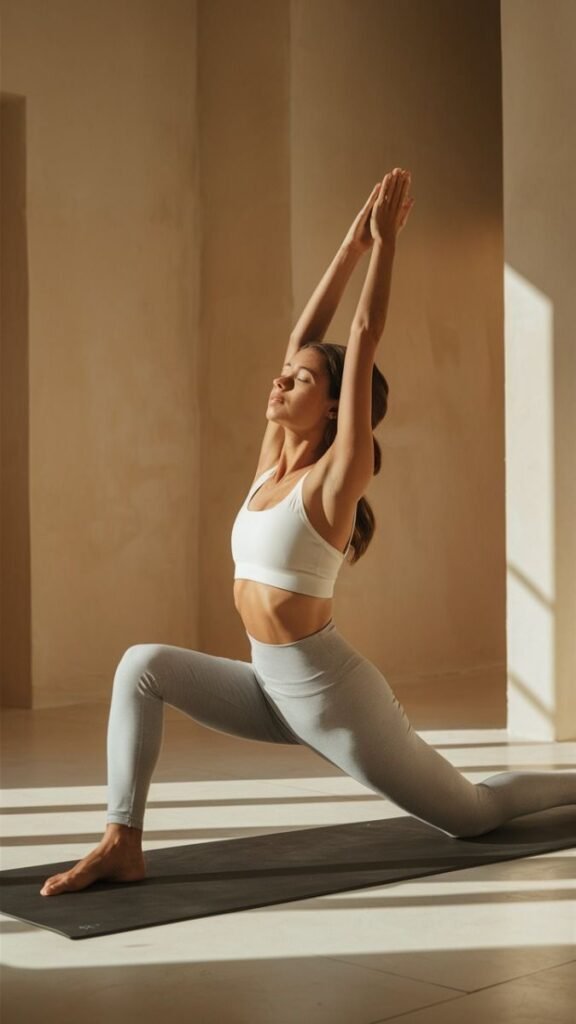
Yoga is one of those things that looks easy until you pull a hamstring because nobody corrected your downward dog for the past three weeks.
Apps like Glo, Down Dog, and newer AR-specific tools like FITBOD’s visual overlays now use your camera to analyze your pose and give you real-time feedback. It’s not perfect — the tracking can glitch if your lighting is bad — but for beginners, it’s miles better than just copying a screen.
What works for beginners:
- Use a well-lit room (natural light works best for camera tracking)
- Wear fitted clothing so the app can read your body shape accurately
- Start with 10-minute beginner sessions, not the full 45-minute flows
One thing I learned the hard way: don’t do AR yoga in a dark room thinking you’ll “fix the lighting later.” The app will just lose you entirely and the session becomes useless. Bright room, form-fitting clothes, phone positioned at hip height — that’s the setup.
4. AR Boxing and Combat Workouts
This one surprised me the most, and it’s become my favorite.
FitXR (available on Meta Quest headsets) drops you into a boxing ring where you punch virtual targets flying at you from different directions. It sounds gimmicky. It is, a little. But after 20 minutes, you’re drenched in sweat and you barely noticed you were working out.
If you don’t have a VR headset, BoxVR has a mobile companion, and apps like Liteboxer Go use your phone camera with physical punching pads to create a real hybrid AR boxing experience.
Beginner session structure:
| Round | Duration | Focus |
|---|---|---|
| Warm-up | 3 minutes | Slow jabs, footwork |
| Round 1 | 2 minutes | Follow AR target prompts |
| Rest | 1 minute | Active rest (light stepping) |
| Round 2 | 2 minutes | Increase intensity |
| Round 3 | 2 minutes | Full combo sequences |
| Cool-down | 3 minutes | Shoulder and neck stretches |
The common beginner mistake here is going full power from minute one. Treat round one like a warm-up regardless of what the app throws at you. Your shoulders will thank you.
5. AR Core and Plank Challenges
Core workouts sound boring until you’re racing against a virtual countdown that’s taunting you on your phone screen.
Apps like Freeletics and 7 Minute Workout now incorporate AR-style overlays that show you correct plank positioning through your camera — and some even use your phone’s gyroscope to detect if your hips are sagging.
This is particularly useful for beginners because bad plank form is almost universal when you’re starting out. Most people don’t even realize their lower back is dipping until they see it on screen.
3 beginner-friendly AR core moves:
- Dead Bug — Lie on your back, use the AR guide to match your arm/leg extension timing
- Plank Hold — Camera positioned at floor level detects hip drop and alerts you
- Bird Dog — The AR skeleton overlay helps you keep your spine neutral throughout
For a more complete breakdown of core-focused AR sessions, The 4 AR Fitness Core Moves That Will Get You the Midsection You Always Wanted in 2025 is worth a read.
6. AR Dance and Rhythm Workouts
I put this one off for a long time because I assumed it was only for people who could already dance. I was wrong.
Just Dance (available on consoles and mobile) and Supernatural (Meta Quest) are full-body rhythm games that track your movement against an AR dancer on screen. You earn points for matching the movements, and the “game” framing completely removes the self-consciousness of working out.
In 30 minutes of Just Dance, you can burn anywhere from 150–250 calories — comparable to a moderate jog — without it ever feeling like exercise.
Why this works for beginners:
- No prior fitness level needed
- The scoring system gives instant feedback without judgment
- Sessions are short (3–5 minutes per song)
- You can gradually increase difficulty