Exercise used to mean lacing up your sneakers and heading to the gym. You might have followed a DVD workout or flipped through a fitness magazine for tips. That world seems like distant history now.
Technology is embedded into your workout today. And not just any technology — augmented reality is emerging and changing the game. From smart glasses that chat you through workouts to AI avatars that jog beside you, AR fitness tech is sprinting ahead. Really fast.
The 8 fast AR fitness tech trends that we are going to cover now are not predictions. They’re happening right now. Some are already present in living rooms and gyms around the globe. Others are just beginning to gain momentum.
If you care about fitness, health or simply want to know what’s on deck, pay attention — because this article is just for you. Let’s break it all down.
What Is AR Fitness Tech and Why It’s So Important?

Before we jump into the trends, let’s quickly set the scene.
Augmented reality (AR) is a technology that layers digital elements — pictures, sounds, data — on top of the real world. Unlike virtual reality, which locks you into a wholly fake environment, AR works around your actual space while placing digital tools over it.
In fitness, it means you might catch a glimpse of a virtual coach standing in your living room. Or a running trail with colored waypoints superimposed on your actual street. Or real-time muscle exercise maps hovering on your phone screen as you lift weights.
The global fitness industry has a market value exceeding $100 billion. AR has emerged as one of its largest disruptors. And these 8 trends show exactly why that is the case.
How Fast Is AR Fitness Growing?
The numbers are striking. Take a look:
| Year | AR Fitness Market Value | Growth Rate |
|---|---|---|
| 2021 | $1.4 billion | — |
| 2022 | $1.9 billion | +35% |
| 2023 | $2.7 billion | +42% |
| 2024 | $3.8 billion (estimated) | +40% |
| 2027 | $9.5 billion (projected) | +30% annually |
(Sources: Statista, Grand View Research, 2023–2024)
That’s explosive growth. AR tech is being rapidly propelled forward by rising demand for more engaging, more intelligent fitness experiences. And the 8 fast AR fitness tech trends below are at the center of it all.
Trend #1 — AI-Powered Virtual Coaches That Really Know You
The Outdated Method of Being Coached Is Dying Quickly
Hiring a personal trainer will cost you an arm and a leg. Following an online workout plan won’t take into consideration your body, your injuries or your goals. It is exactly where AI-powered virtual coaches step in to fill that gap.
These aren’t pre-recorded video instructors. They’re real-time, adaptive AR coaches that analyze your movements and correct you on the fly. Apps such as Kinetica, Tempo and the latest platforms use your phone’s camera or connected sensors to monitor how you move. Then the AI coach reacts — tweaking your posture, reps and even switching up the workout if you look fatigued.
Why This Trend Is So Potent
The coaching becomes wiser the more you use it. The AI learns your strengths, your weaknesses and even your preferred style of training over time. Each session is personalized based on actual data — not guesswork.
This is one of the fastest-moving AR fitness tech trends because it addresses a real problem. People want coaching. They just cannot always pay for it or access it. AR closes that gap.
Key Benefits at a Glance:
| Feature | Traditional Coach | AI AR Coach |
|---|---|---|
| Available 24/7 | No | Yes |
| Adjusts in real time | Yes | Yes |
| Tracks progress over time | Sometimes | Always |
| Cost | $50–$150/session | $10–$30/month |
| Personalized to your body | Yes | Yes |
Trend #2 — AR Smart Glasses Built for Athletes
Wearable Displays Are Getting Lighter, Smarter and Faster
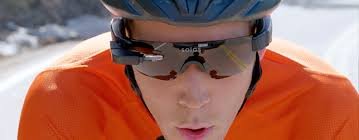
A few years ago, AR glasses were bulky and clunky. Now, brands such as Engo, Vuzix and RayBan Meta are launching sleek, sport-specific AR glasses that are light enough to wear on a run and smart enough to display real-time stats.
For athletes, that is a huge leap. You no longer need to glance at your wrist or pull out your phone mid-sprint. Your pace, heart rate, altitude and interval cues come up right in your line of sight.
Where This Trend Is Heading
The next generation of AR sports glasses will do more than display data. They’ll use eye-tracking to detect signs of fatigue. They’ll sync with heart rate monitors and GPS chips to provide smarter coaching in the moment. Prototypes are already being trialed with track-and-field athletes and cyclists.
This AR fitness tech trend is especially exciting for outdoor athletes — runners, cyclists, hikers and triathletes who need hands-free performance data on the move.
Trend #3 — Workouts That Are a Game (Literally)
When Fitness Is a Game, People Show Up
Let’s be real. Many people skip workouts simply because they’re boring. Staring at a treadmill screen for 45 minutes is not exactly thrilling. Gamified AR fitness flips that completely.
Apps like Zombies, Run!, Supernatural, FitXR and Ring Fit Adventure gamify physical movement through missions, rewards and story-driven challenges. You’re not only doing lunges — you’re protecting a virtual city. You’re not simply running — you’re fleeing a horde of zombies.
Why Gamification Works So Well
Science backs this up. A study published in the Games for Health Journal found that people who used gamified exercise worked out an average of 27% longer than those who used non-gamified routines. People just tend to push harder when they’re chasing a game goal.
This is among the most widely adopted AR fitness tech trends right now, particularly among younger users. And it’s attracting people who never thought of themselves as “gym people” — which is a big deal for public health overall.
Gamified AR Fitness Apps Compared:
| App | Platform | Type | Cost |
|---|---|---|---|
| Supernatural | Meta Quest | Full-body rhythm workouts | $19.99/month |
| FitXR | Meta Quest | Boxing, dance, HIIT | $9.99/month |
| Zombies, Run! | iOS/Android | Running + story missions | $3.99/month |
| Ring Fit Adventure | Nintendo Switch | RPG fitness adventure | One-time $79.99 |
| Beat Saber | Meta Quest | Rhythm + arm workouts | One-time $29.99 |
Trend #4 — Real-Time Body Scanning and Form Correction
Your Phone Can Now See What a Mirror Cannot
Real-time body scanning is one of the most practical AR fitness tech trends right now. Using only a smartphone camera — or a connected sensor — AR fitness apps can map your whole body in 3D and check your form with creepy precision.
Think about a squat. Most people don’t realize their knee is caving in or their back is rounding until they see a video of themselves. AR body scanning solves that problem immediately. A colored line is drawn over your spine. A warning flashes when your knee drifts past your toes. A score pops up for each rep.
The Technology Making This Possible
This is powered by pose estimation AI — the same kind of technology used in Hollywood motion capture studios. Apps like Kinetica, HomeCourt and Tempo Move are now bringing this tech to regular consumers.
As phone cameras become more powerful and AI grows smarter, the accuracy of body scanning is going to continue improving. Soon, you’ll receive real-time muscle activation maps that tell you exactly which muscles are firing — and which ones aren’t pulling their weight.
Trend #5 — AR Fitness Mirrors That Replace the Gym Wall
The Smart Mirror Revolution Is Already Here
If you walk past certain fitness studios or high-end gyms, you may notice an unusual sight. There are screens where mirrors used to be. These are AR fitness mirrors — and they’re some of the fastest-growing pieces of home gym equipment available right now.
Products such as Mirror (by Lululemon), Tempo Studio and NordicTrack Vault resemble a standard mirror when not in use. Switch them on and they become a complete interactive fitness screen. A live or pre-recorded instructor appears on the display. Your own reflection sits beside them. Through integrated cameras, the system monitors your movements and overlays feedback directly onto the glass.
Why Fitness Mirrors Are Taking Off
They solve a space problem. Few people can devote a room to a home gym. A fitness mirror takes up as much space as a normal mirror — and replaces an entire rack of exercise equipment in terms of what it can guide you through.
The smart fitness mirror market is projected to reach $1.6 billion by 2026. That’s how quickly this AR fitness tech trend is taking off.
Top AR Fitness Mirrors Compared:
| Product | Price | Key Feature | Subscription Cost |
|---|---|---|---|
| Mirror by Lululemon | $1,495 | Live + on-demand classes | $39/month |
| Tempo Studio | $2,495 | 3D weight tracking | $39/month |
| NordicTrack Vault | $1,999 | Integrated weight storage | $39/month |
| Forme Studio | $1,995 | 1-on-1 personal training | $49/month |
Trend #6 — Wearable Tech With Deep AR Integration
Sensors Are Getting Smarter and More Connected
Fitness wearables have been around for a long time. But the next generation of wearables aren’t just step counters. They’re pumping rich, real-time data into AR platforms to create experiences that feel almost like having a lab-quality analysis running alongside you as you work out.
Devices like the Whoop 4.0, Athos Smart Clothing and the Moov Now track muscle activation, heart rate variability, movement angles and recovery scores. When that data connects with an AR overlay — on your glasses, phone or mirror — it becomes visual and actionable in a completely new way.
What Deep AR Integration Actually Looks Like
Imagine doing a deadlift. Your smart shorts are monitoring your hamstring activation. Your AR glasses are displaying a spine angle line. Your phone’s camera is registering a slight knee imbalance. All of this occurs at the same time, giving you a 360-degree look into the quality of your movement.
For serious performance seekers — or those recovering from an injury — this kind of insight once required expensive lab equipment. Now it fits in your gym bag.
This AR fitness tech trend is especially vital for the older population. The technology can help older adults work out safely, with real-time alerts that prevent injury before it takes place.
Trend #7 — Social AR Fitness and Group Workouts in Shared Virtual Spaces
You No Longer Need to Work Out Alone
One of the greatest reasons people love going to the gym is the social energy. The group classes. The friendly competition. The feeling of being around others who are challenging themselves. That element is often entirely missing from solo home workouts.
AR fitness is fixing this. Platforms are now building shared virtual fitness spaces where you and your friends — or people from other parts of the world — can train together in the same AR environment, while miles apart physically.
How Social AR Fitness Works
You put on your headset or use your phone’s camera. The app places you in a shared virtual space. You can see other users, represented as avatars, exercising alongside you. You can challenge each other, cheer each other on or compete on a live leaderboard.
Platforms like Peloton (with AR updates), FitXR and newer social fitness startups are already building this experience. The social layer adds accountability — one of the most powerful motivators in fitness research.
Research published in the Journal of Sport and Exercise Psychology found that people who exercised with a virtual partner worked out up to 200% longer than those who trained alone.
Social AR Fitness Platforms to Watch:
| Platform | Social Feature | Best For |
|---|---|---|
| FitXR | Multiplayer classes | Group boxing and dance |
| Peloton | Live leaderboard + group rides | Cycling and running |
| Supernatural | Community challenges | Full-body rhythm |
| Zwift | Virtual group cycling/running | Endurance athletes |
| VRWorkout | Open multiplayer | Custom workouts |
Trend #8 — AR-Powered Recovery and Injury Prevention Tools
Training Smarter Means Recovering Smarter Too
The majority of fitness tech is oriented toward the workout itself. But recovery matters just as much as training — maybe more. And this is where one of the most exciting, though underrated, AR fitness tech trends is developing.
AR recovery tools help you understand how your body is healing. They walk you through injury-prevention routines with real-time form feedback. They use visual overlays to show you how to stretch correctly, how to activate weak stabilizer muscles and when to rest rather than push.
What AR Recovery Tech Looks Like in Practice
Physical therapy clinics are beginning to use AR headsets and motion-tracking wearables to guide patients through rehabilitation exercises with precision. Instead of a therapist manually adjusting your arm angle, an AR overlay shows you exactly where your limb needs to be — and flags when it drifts.
Everyday athletes are already using smartphone AR apps like Kaia Health and RecoveryRecord, which offer guided recovery routines with visual overlays correcting posture and movement during stretching and mobility work.
Why This Trend Is Going to Get Very Big
The global sports medicine market is worth over $7 billion. As AR tech becomes cheaper and more accessible, its potential to revolutionize injury prevention and recovery is going to explode. It’s not just about elite athletes. Gym-goers, weekend warriors and older adults all stand to benefit enormously.
What the Next 3 Years Look Like for AR Fitness Tech
Here’s a snapshot of where these trends are heading:
| Trend | Current Stage | Where It’s Headed by 2027 |
|---|---|---|
| AI Virtual Coaches | App-based | Fully personalized adaptive programs |
| AR Sports Glasses | Early consumer market | Mainstream athletic gear |
| Gamified Workouts | Mass adoption | Deeper story-driven fitness games |
| Body Scanning & Form Correction | Smartphone-level | Medical-grade precision |
| AR Fitness Mirrors | Emerging home market | Standard in-home designs |
| Wearable AR Integration | Enthusiast level | Mass consumer adoption |
| Social AR Fitness | Platform level | Real-time global fitness communities |
| AR Recovery Tools | Clinical + early consumer | Accessible to all fitness levels |
AR fitness is changing faster than most people realize. What seems futuristic today is bound to be normal in just a couple of years.
Who Benefits Most From These AR Fitness Tech Trends?
These trends are not only for tech enthusiasts or elite competitors. What’s beautiful about AR fitness is just how broad its reach is. Here’s a brief overview of who gains the most:
Beginners get guided form correction and gamified motivation that makes starting a fitness routine far less intimidating.
Busy professionals get on-demand coaching that fits any schedule, without commuting to a gym.
Athletes get performance data and recovery insights that previously required a team of sports scientists.
Older adults get gentle, guided movement programs that lower the risk of injury and support long-term health.
People with gym anxiety get a private, nonjudgmental space to work out without feeling watched.
To learn more about how AR body technology is being used to support health and wellness goals, visit AR Body Health — a resource dedicated to exploring the intersection of AR tech and physical wellbeing.
Frequently Asked Questions About AR Fitness Tech Trends
Q: Are AR fitness tech trends just for people who are already fit? Not at all. Most AR fitness tools are designed for people of all fitness levels. Many apps offer beginner-friendly modes and increase the challenges as you improve.
Q: Do I need a lot of expensive equipment to get started? No. Many of these trends — AI virtual coaches and body scanning, for example — can be done with just a smartphone. AR fitness opens up at a low upfront cost.
Q: How does AR form correction compare to a real trainer? Current AR form correction is very accurate for most common movements such as squats, push-ups and lunges. It’s not perfect for every nuanced motion yet, but it’s improving rapidly and already catches most major form errors.
Q: Is AR fitness safe for older adults or people recovering from injuries? Yes, and in many instances it is particularly helpful for these groups. Real-time feedback and guided gentle movement help reduce the risk of injury during exercise.
Q: Is AR fitness technology available for kids? Absolutely. Gamified AR fitness apps are especially popular among younger users. Apps that turn movement into a game are a great way to get kids active without them even realizing they’re exercising.
Q: Will AR fitness ever completely replace the gym? Probably not entirely. Gyms provide social connection, heavy equipment and an atmosphere designed exclusively for training. But AR fitness will continue to reduce the need to visit a gym for many kinds of workouts — particularly for home users.
Q: How private is the data collected by AR fitness tools? This varies by platform. Most reputable apps have privacy policies detailing how movement and health data is stored and used. Always check the privacy settings and terms before signing up for any platform.
Q: Which of the 8 AR fitness tech trends is growing the fastest? Gamified workouts and AI virtual coaching are currently the fastest-growing trends in terms of user adoption. AR fitness mirrors and social fitness platforms are also seeing rapid growth in the home market.
The Takeaway — AR Fitness Is Here to Stay
These 8 fast AR fitness tech trends are no longer novelties. They’re a radical change in the way millions of people across the planet approach health, movement and performance.
The combination of AI coaching, immersive gamification, real-time body feedback, social connection and recovery tools is producing a fitness experience that’s more personalized, more effective and far more engaging than anything that came before it.
You don’t have to dive headfirst into all eight trends at once. Start with one. Download a free AR fitness app. Try a gamified workout. Look into a wearable that syncs up with your favorite fitness platform.
The future of fitness is augmented. And honestly? It looks like a lot of fun.