The first time I really got hooked on augmented reality for fitness wasn’t in some high-tech gym or with a fancy headset—it was just me, my phone propped on a stack of books in my Karachi apartment, and an app overlaying a virtual trainer right on my living room floor. That simple setup turned what used to be mindless bodyweight reps into something that felt guided, almost like having someone spot me without the awkward small talk. Fast forward to 2026, and AR fitness has exploded in ways that make it accessible, effective, and honestly addictive for everyday people. No longer just a buzzword for gamers or tech enthusiasts, it’s become a practical tool that blends digital guidance with real-world movement to help you train smarter, stay consistent, and avoid the burnout that kills most resolutions.
This guide isn’t about selling you on the latest gadget hype; it’s a no-nonsense walkthrough of how to build an ultimate AR fitness routine that fits real life—humid evenings, limited space, tight budgets, and the constant pull of daily distractions. I’ll cover everything from choosing the right entry point to advanced setups, troubleshooting common pitfalls, integrating with your existing habits, and why certain approaches deliver lasting results while others fizzle out. Whether you’re starting from scratch or looking to level up, these steps draw from what actually works in 2026’s landscape of mixed-reality headsets, smart glasses, and phone-based AR.
Getting started with AR fitness means understanding the spectrum of options available today. At the low end, you have phone-based AR—free or cheap apps that use your camera to project overlays, track form, or gamify sessions. Mid-range involves lightweight smart glasses or tethered displays for hands-free data during runs or cycles. At the high end sit standalone mixed-reality headsets like the Meta Quest 3 series, which blend virtual elements seamlessly with your physical space for immersive workouts. The key is matching the tech to your lifestyle rather than chasing the shiniest new release.
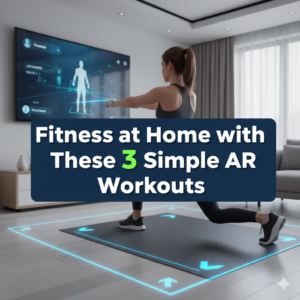
If you’re in a small apartment like mine, phone AR is the smartest first step. Apps such as Prayoga or similar yoga trackers place a 3D instructor directly in your view, with alignment lines that glow red when your form slips. Setup takes minutes: download, grant camera access, prop your phone at mat level, and start. I began with 15-minute morning flows during Ramzan when energy dipped—seeing the virtual figure breathe in sync with me made it easier to stay present. For strength or HIIT, apps with pose detection highlight joint angles in real time, catching rounded backs in squats before they become injuries. Cost is near zero beyond a basic stand (200-500 PKR from local markets), and portability means you can take it traveling or to the park.
Scaling up, smart glasses bring AR outdoors without the bulk of a headset. In 2026, models like the Oakley Meta Vanguard or RayNeo Air series stand out for fitness. These aren’t full immersive AR but provide subtle overlays—pace, heart rate, or navigation arrows—while connected to your phone or watch. The Vanguard pairs with Garmin for real-time workout stats projected in your field of view, plus a camera for capturing form videos hands-free. During evening jogs along the coastline, I love glancing up to see pace without dropping my eyes to a wristband. They’re sweat-resistant, lightweight (around 50-80g), and the open-ear audio keeps you aware of traffic or call-to-prayer sounds. Battery lasts 4-6 hours of mixed use, enough for most sessions. Drawback: full AR immersion requires a tethered device, but for cardio or cycling, the distraction-free data feed is transformative.
For home-based depth, mixed-reality headsets dominate in 2026. The Meta Quest 3 or 3S offers color passthrough that lets virtual elements coexist with your real room—perfect for boxing against digital opponents or following HIIT classes where targets appear on your walls. Clear a 2×2 meter space, calibrate the boundaries once, and you’re set. Apps turn workouts into experiences rather than chores.
One standout is Supernatural in its mixed-reality updates. You swing through floating orbs synced to music in stunning overlaid landscapes—Iceland fjords blending with your fan and couch. Trainers cue form while tracking heart zones (via connected watch or estimation), and daily fresh content prevents staleness. I hit a rough patch last month with work stress; loading a 30-minute Flow session felt like escaping to another world while still burning calories. Subscription runs about $10-12 monthly, but the motivation payoff is huge for cardio consistency.
FitXR complements this with variety—boxing, dance, HIIT, sculpt. In Slam mode, virtual pads explode on impact, leaderboards push you against global users, and form feedback improves technique. It’s less scenic than Supernatural but more explosive, great for building power. I alternate between the two depending on mood: rhythmic for recovery days, combat for aggression release.
Les Mills Bodycombat XR offers structured classes without subscriptions—just buy once for a deep library of MMA-inspired routines. Virtual opponents appear around you, instructors call cues, and moves demand real effort. In Karachi’s heat, doing a 45-minute session with AC on and digital lights flashing feels energizing rather than draining.
Phone-based alternatives shine for accessibility. Zombies, Run! adds AR overlays for outdoor runs—zombie silhouettes or supply crates appear on sidewalks via camera, turning cardio into narrative-driven intervals. Glance at your arm-mounted phone for story progress while escaping hordes. It’s free to start, premium for full stories, and perfect when motivation lags.
Building the ultimate routine means layering these tools strategically. Begin with basics: 3-4 sessions weekly using phone AR for form-focused strength or yoga. Add cardio via glasses or outdoor AR apps twice a week. Once comfortable, introduce headset MR 2-3 times for high-intensity fun. Track progress across apps—many sync with Apple Health or Google Fit for unified stats.
Space setup matters hugely. In tight homes, define a “play area” with tape or furniture markers. Use fans for cooling during sweaty MR sessions—Quest headsets trap heat. Lighting helps tracking; avoid direct sun glare on glasses or dim rooms for phone cameras.
Nutrition and recovery tie in seamlessly. AR apps increasingly offer post-workout summaries with calorie estimates or recovery tips. Pair with wearables for heart rate variability—low scores signal rest days. I log sessions in a simple journal alongside AR data to spot patterns, like better energy after lighter dinners.
Common pitfalls to avoid: over-relying on gamification without progressive overload—AR makes it fun, but you still need to increase difficulty manually. Battery anxiety during long sessions—keep chargers handy. Privacy concerns with cameras—review app permissions. And burnout from too much novelty—rotate tools to keep things fresh without overwhelming.
Advanced tweaks include custom integrations. Use Quest’s passthrough with phone apps for hybrid sessions: virtual trainer in one corner, real dumbbells in hand. For runners, glasses with Strava overlays provide virtual pacing partners. Strength folks benefit from rep-counting AR that warns on form decay.
Long-term success comes from habit stacking. Link AR workouts to existing routines—post-Fajr yoga via phone, evening runs with glasses. Celebrate streaks with app rewards or personal treats. Community features in apps like FitXR leaderboards or Supernatural team workouts add accountability without gym pressure.